Amit Shah to lay foundation of Gwalior TMZ on Oct 29, Asia's first telecom zone
Synopsis
Asia's first Telecom Manufacturing Zone is getting its foundation stone — and Amit Shah will lay it on 29 October in Gwalior. With ₹5,500 crore in investor commitments, 24-plus companies in the pipeline, and a ₹493 crore central outlay, the Gwalior TMZ is India's most ambitious single-city bet on homegrown telecom manufacturing, targeting 18,000 jobs and a foothold in 5G and 6G supply chains.
Key Takeaways
Amit Shah will lay the foundation stone of the Gwalior Telecom Manufacturing Zone (TMZ) on 29 October .
Billed as Asia's first TMZ , the zone will focus on telecom equipment, 5G/6G technologies, optical fibre , and semiconductors .
The Centre has committed ₹493 crore as full financial assistance for infrastructure; the project will be run through an SPV (MP government 51%, DoT 49%).
Investment proposals worth over ₹5,500 crore and more than 18,000 potential jobs have emerged from investor meets in New Delhi, Mumbai, and Bengaluru.
More than 24 companies have initiated applications to set up units; the first phase covers approximately 170 acres of land provided free by the state government.
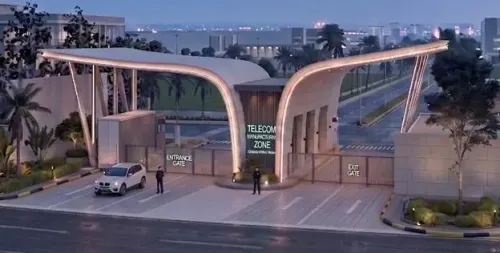
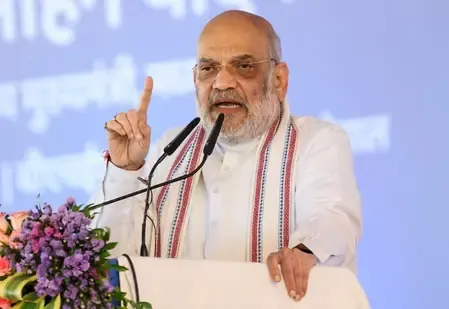
Union Home Minister Amit Shah will lay the foundation stone of the proposed Telecom Manufacturing Zone (TMZ) in Gwalior, Madhya Pradesh, on 29 October, Union Communications Minister Jyotiraditya Scindia announced on Tuesday, 6 October. Billed as Asia's first Telecom Manufacturing Zone, the project is poised to reshape India's domestic telecom manufacturing landscape.
What the TMZ Entails
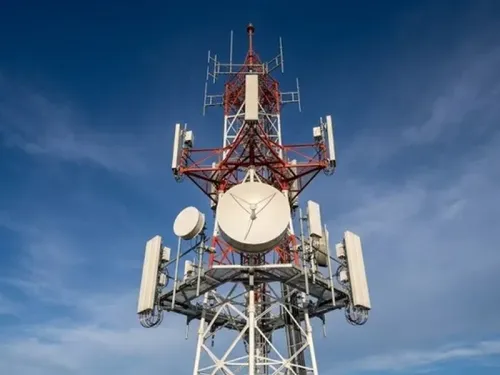
The Gwalior TMZ is being developed as an integrated industrial cluster designed to support telecom equipment and component manufacturing, alongside design, research and development, testing, and innovation. The zone is intended to serve industries working in optical fibre, semiconductors, and next-generation 5G and 6G technologies. It will operate on a plug-and-play model, giving companies access to ready infrastructure and shared facilities from day one.
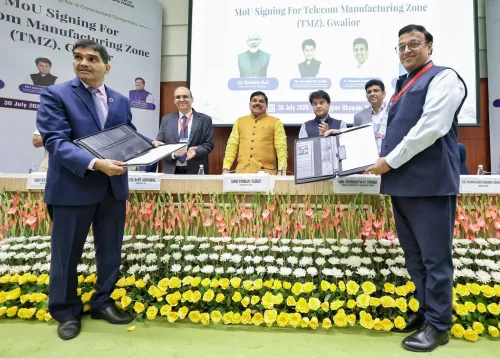
The Department of Telecommunications (DoT) and the Madhya Pradesh government formalised the arrangement with an MoU signed in July. In the first phase, approximately 170 acres have been identified for development, with the state government providing the land free of cost and offering additional incentives to investors.
Funding and Governance Structure
The Centre has committed ₹493 crore as 100 per cent financial assistance for infrastructure development. The project will be executed through a Special Purpose Vehicle (SPV), in which the Madhya Pradesh government will hold a 51 per cent stake and the Department of Telecommunications 49 per cent. This ownership structure ensures state co-ownership while keeping the Centre's strategic priorities central to operations.
Investor Interest and Employment Potential
More than 24 companies have reportedly initiated the application process for setting up units within the zone. Investment proposals worth over ₹5,500 crore have emerged from investor interactions held in New Delhi, Mumbai, and Bengaluru, with the potential to generate more than 18,000 employment opportunities.
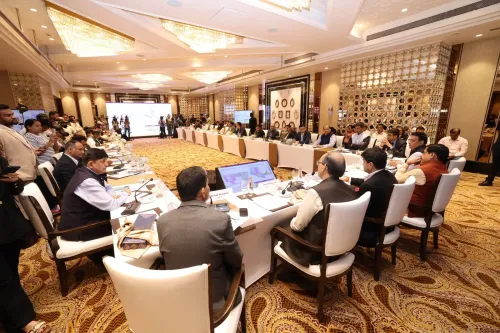
The New Delhi investor meet alone drew commitments of around ₹3,500 crore and approximately 14,000 jobs. The Mumbai meet, held in August, attracted commitments of around ₹2,000 crore and an estimated 4,000 employment opportunities. A subsequent interaction in Bengaluru produced additional proposals worth ₹700 crore–₹800 crore.
Strategic Significance
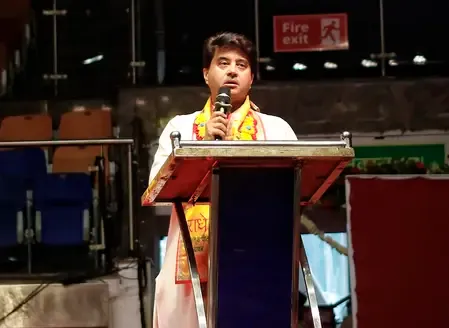
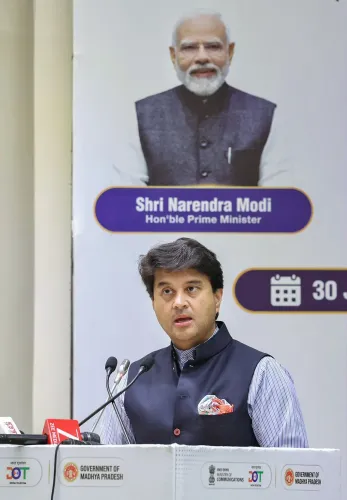
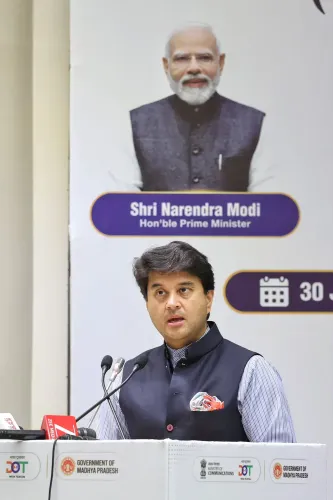
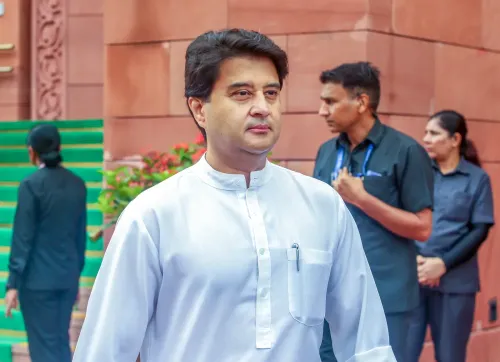
'Asia's first Telecom Manufacturing Zone is now taking shape in Gwalior through sustained efforts, and the participation of the Union Home Minister in its foundation ceremony marks another important step in taking this project forward,' Scindia said. The zone is being positioned as part of the Centre's broader push to reduce India's dependence on telecom equipment imports and to establish the country as a global hub for telecom products and technologies. Notably, Scindia has personally reviewed the project with officials from both the Centre and the state government and recently inspected the identified site in Gwalior.
What Happens Next
With the foundation stone ceremony set for 29 October and investor commitments already in excess of ₹5,500 crore, execution will now be closely watched. The plug-and-play infrastructure model is intended to lower barriers for new entrants, but the real test will be whether committed investment translates into operational units and verifiable jobs — a challenge that has historically confronted similar industrial cluster projects across India.
Point of View
Not a coastal tech hub, at the centre of India's telecom self-reliance push. With over ₹5,500 crore in stated investor interest, the numbers look compelling on paper, but India's industrial cluster history is littered with high-profile MoUs that stalled at execution. The plug-and-play model is the right design instinct, but the SPV governance structure — with a state majority stake — will determine whether bureaucratic friction or investor speed wins. The 29 October ceremony, with Amit Shah in attendance, is as much a political statement about BJP's Madhya Pradesh ambitions as it is an economic one.
NationPress
6 Oct 2026
Frequently Asked Questions
What is the Gwalior Telecom Manufacturing Zone (TMZ)?
The Gwalior TMZ is India's — and reportedly Asia's — first dedicated Telecom Manufacturing Zone, being developed as an integrated cluster for telecom equipment manufacturing, design, R&D, testing, and innovation. It will support industries in optical fibre, semiconductors, and 5G/6G technologies, operating on a plug-and-play infrastructure model.
When will the foundation stone of the Gwalior TMZ be laid?
Union Home Minister Amit Shah will lay the foundation stone of the Gwalior TMZ on 29 October, as announced by Communications Minister Jyotiraditya Scindia on 6 October 2026.
How much investment has the Gwalior TMZ attracted so far?
Investment proposals worth over ₹5,500 crore have been received from investor interactions in New Delhi, Mumbai, and Bengaluru, with the potential to generate more than 18,000 jobs. More than 24 companies have initiated applications to set up units in the zone.
How will the Gwalior TMZ be funded and governed?
The Centre has committed ₹493 crore as 100 per cent financial assistance for infrastructure development. The project will be run through a Special Purpose Vehicle (SPV) in which the Madhya Pradesh government holds a 51 per cent stake and the Department of Telecommunications holds 49 per cent.
How does the Gwalior TMZ support India's telecom self-reliance goals?
The TMZ is designed to reduce India's dependence on imported telecom equipment and position the country as a global hub for telecom products and technologies. By clustering manufacturing, R&D, and testing in one location with shared infrastructure, it aims to attract domestic and global players into India's 5G and 6G supply chains.