Bank of Korea set to lift South Korea 2026 growth forecast above 3%
Synopsis
South Korea's central bank is poised to sharply upgrade its 2026 growth forecast — potentially to as high as 3.4 percent — as a semiconductor supercycle and government spending outpace earlier projections. The revision would mark a significant jump from the BOK's current 2.6 percent estimate, though analysts are divided on how long the chip-driven momentum can last.
Key Takeaways
The Bank of Korea (BOK) is expected to raise its 2026 growth forecast from 2.6 percent to above 3 percent .
Analyst estimates range from 3.1 to 3.4 percent , with Nomura Securities projecting the highest at 3.4 percent .
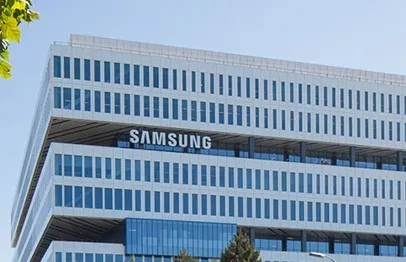
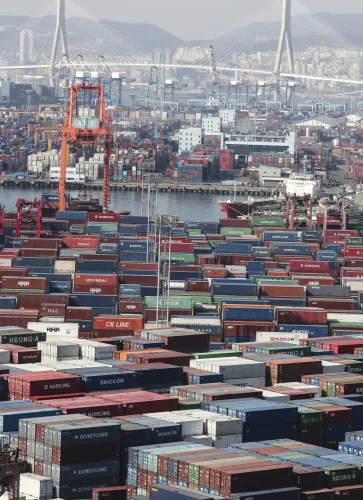
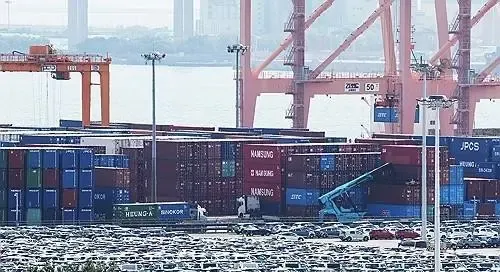
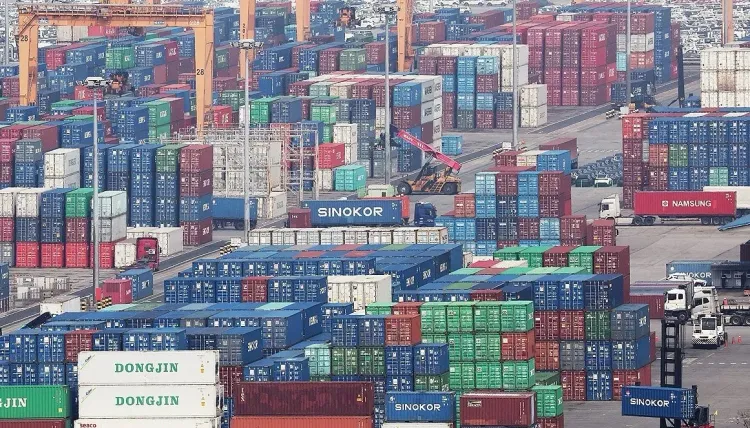
Key drivers include stronger-than-expected semiconductor exports , higher government spending, and recovering domestic demand .
Nomura's Park Jeong-woo expects the global semiconductor supply crunch to persist beyond 2027 .
Hyundai Research Institute's Joo Won cautioned that the supercycle could peak sooner, noting a month-on-month drop in August chip exports.
Growth projections for 2027 are more conservative, ranging between 2.2 and 2.8 percent .
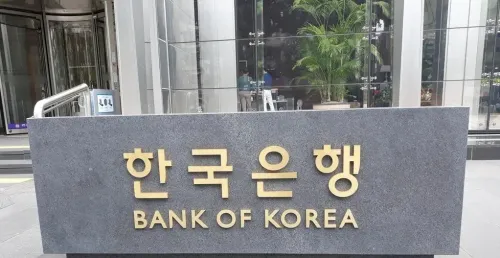
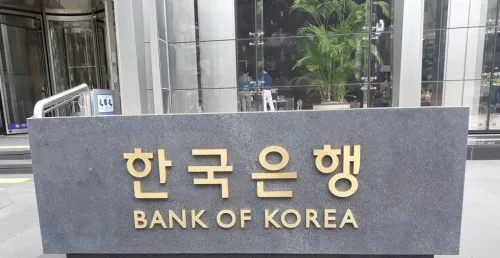
The Bank of Korea (BOK) is widely expected to revise its 2026 growth forecast for South Korea upward to above 3 percent, according to a survey of six economic analysts, citing a semiconductor export surge and a steady recovery in domestic demand. The central bank's current projection stands at 2.6 percent.
What Analysts Are Projecting
Respondents to the survey placed their estimates in a range of 3.1 to 3.4 percent for 2026, with Nomura Securities offering the most bullish call at 3.4 percent. Ahn Jae-kyun, an analyst at Korea Investment & Securities Co., pegged growth at 3.2 percent, attributing the upside to stronger-than-expected semiconductor exports, higher government spending backed by improved tax revenues, and a rebound in consumer activity.
'Given the stronger-than-expected exports led by semiconductors, increased government expenditure driven by higher tax revenues and a rebound in domestic demand, the country is likely to achieve economic growth of around 3 percent this year,' Ahn said.
The Semiconductor Supercycle Factor
Park Jeong-woo, an economist at Nomura, pointed to the ongoing semiconductor boom and the government's expansionary fiscal stance as key drivers. 'The BOK could take into consideration the semiconductor boom and the government's expansionary fiscal policy. We expect the central bank to sharply raise the growth forecasts for this year and next year,' he said.
Most analysts surveyed expressed confidence that the semiconductor supercycle will sustain upward momentum for South Korea's economy, underpinned by a widening supply-demand mismatch in the global chip market. Park noted that while demand for artificial intelligence (AI) inference is growing exponentially, supply capacity is expanding at a slower pace — a crunch he expects to persist 'beyond 2027.'
A Note of Caution
Joo Won, deputy director of economic research at Hyundai Research Institute, struck a more measured tone, warning that the semiconductor supercycle could peak sooner than anticipated. He pointed to a month-on-month dip in August chip exports as an early signal. 'The semiconductor market will remain strong until around the end of this year to the early half of next year,' Joo said, implying the tailwind may not extend as far into 2027 as others expect.
Outlook for 2027
Analysts' growth projections for 2027 were considerably more subdued, ranging between 2.2 and 2.8 percent, reflecting expectations that the current export-driven momentum will moderate. The BOK is anticipated to factor both the near-term semiconductor upswing and longer-term fiscal sustainability into its revised forecasts. A formal revision is expected at the central bank's next policy review.
Point of View
The economy soars; when they cool, the floor drops fast. The 2027 consensus of 2.2–2.8 percent quietly signals that analysts know this uplift is borrowed time. The real question is whether Seoul uses this fiscal windfall to diversify its export base or simply rides the wave until it breaks.
NationPress
24 Aug 2026
Frequently Asked Questions
Why is the Bank of Korea expected to raise its 2026 growth forecast?
The BOK is expected to revise its 2026 growth outlook upward because semiconductor exports have outperformed projections, government spending has risen on the back of higher tax revenues, and domestic demand is recovering. Analysts surveyed expect the forecast to move from the current 2.6 percent to a range of 3.1–3.4 percent.
What is the highest growth estimate analysts have given for South Korea in 2026?
Nomura Securities has projected the highest estimate at 3.4 percent annual economic growth for South Korea in 2026. Most other analysts surveyed placed their estimates between 3.1 and 3.2 percent.
How long is the semiconductor supercycle expected to last?
Views differ among analysts. Nomura's Park Jeong-woo expects the global semiconductor supply crunch to continue beyond 2027, driven by surging AI inference demand. However, Hyundai Research Institute's Joo Won cautioned that the cycle could peak by early 2026, pointing to a month-on-month decline in August chip exports.
What is South Korea's growth outlook for 2027?
Analysts are more cautious about 2027, with projections ranging between 2.2 and 2.8 percent — significantly lower than the 2026 estimates — reflecting expectations that the current semiconductor-driven momentum will moderate.
What factors could limit South Korea's economic growth?
The primary risk flagged by analysts is an earlier-than-expected peak in the semiconductor supercycle. A slowdown in global chip demand or a faster-than-anticipated supply ramp-up could erode the export tailwind that is currently driving the growth upgrade.