Shivraj Singh Chouhan visits West Bengal for agriculture and rural development talks
Synopsis
Union Minister Shivraj Singh Chouhan's two-day West Bengal visit is more than a courtesy call — it is a structured push to accelerate Centre-state alignment on flagship rural and agriculture schemes in a state where ground-level implementation has faced persistent scrutiny. The Barrackpore jute farmer interaction adds a direct accountability dimension rarely seen in ministerial tours.
Key Takeaways
Union Minister Shivraj Singh Chouhan is on a two-day visit to West Bengal on 13–14 July .
A dinner meeting with Chief Minister Suvendu Adhikari on 13 July focused on agriculture, rural roads, housing, and employment.
A high-level review meeting on 14 July at the New Secretariat Building, Kolkata will assess flagship schemes including PM-KISAN , Pradhan Mantri Fasal Bima Yojana , and MSP operations.
Chouhan will visit ICAR-CRIJAF, Barrackpore to interact with jute farmers and women Self-Help Groups .
Scientists will demonstrate improved jute varieties, modern retting techniques, and value-addition opportunities for rural women.
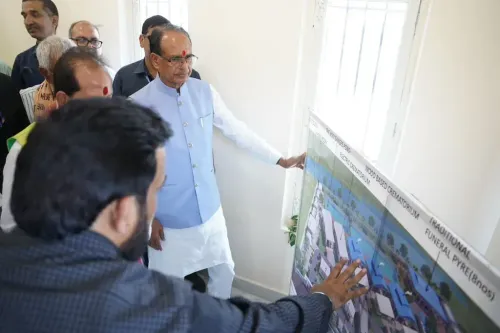
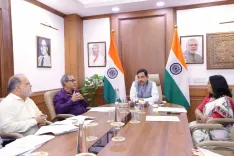
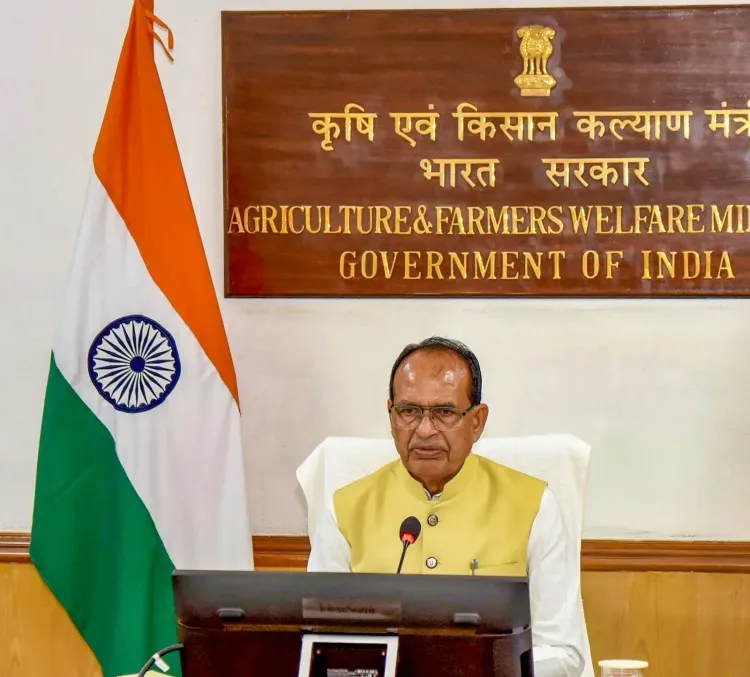
Union Minister for Agriculture and Rural Development Shivraj Singh Chouhan arrived in West Bengal on 13 July for a two-day visit, during which he will hold high-level discussions with the state government on agriculture, rural infrastructure, and farmers' welfare. The visit, spanning 13–14 July, includes a review meeting at the New Secretariat Building in Kolkata and a field interaction with jute farmers at Barrackpore.
Dinner Meeting and Centre-State Cooperation
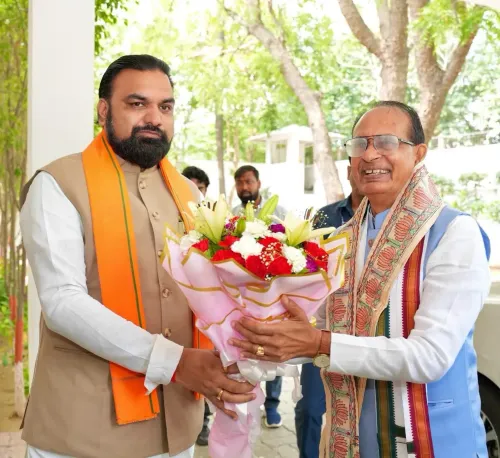
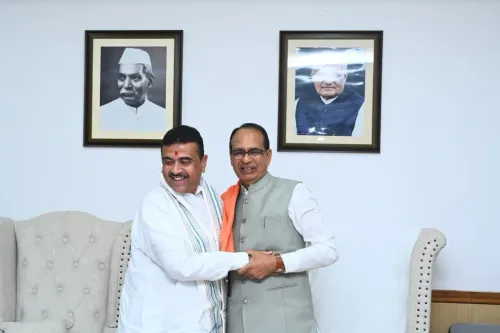
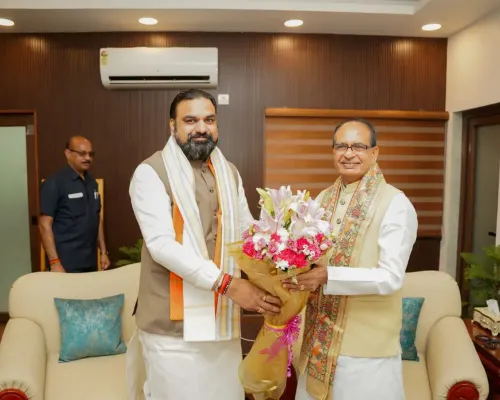
Chouhan reached Kolkata on Monday evening and proceeded directly to the Chief Minister's residence for a dinner meeting with Chief Minister Suvendu Adhikari. The discussion centred on strengthening cooperation between the Centre and the state across key areas — agriculture, farmers' welfare schemes, rural roads, housing, and employment. The meeting is seen as a step toward aligning state priorities with centrally sponsored programmes.
High-Level Review on 14 July
On 14 July, a formal review meeting will be convened at the New Secretariat Building, attended by the Chief Minister, the Chief Secretary, senior state department officials, and senior officers from the Government of India. The Union Minister is accompanied by officials from the Ministry of Agriculture and Farmers' Welfare, the Ministry of Rural Development, and the Indian Council of Agricultural Research (ICAR).
The Central team will present the status of major flagship programmes, including PM-KISAN, Pradhan Mantri Fasal Bima Yojana, Pradhan Mantri Dhan-Dhaanya Krishi Yojana, Minimum Support Price (MSP) operations, Viksit Bharat–G RAM G, rural roads and housing initiatives, and funds allocated to Panchayati Raj Institutions. Discussions will also cover a forward roadmap for accelerating agricultural growth and rural development across West Bengal.
Jute Farmers and Self-Help Groups at Barrackpore
Later on 14 July, Chouhan will visit the ICAR–Central Research Institute for Jute and Allied Fibres (ICAR-CRIJAF) at Barrackpore, where he will interact directly with jute farmers and women from Self-Help Groups (SHGs). The minister is expected to hear first-hand accounts of the challenges facing jute cultivation — including retting, water availability, pest and disease management, production costs, and market prices.
Scientists from ICAR-CRIJAF will demonstrate improved jute varieties, modern retting techniques, water conservation practices, and simplified processing and marketing technologies. Women SHGs will be introduced to jute-based value-addition opportunities, with a focus on promoting rural entrepreneurship, increasing household incomes, and generating sustainable village-level employment.
Why This Visit Matters
West Bengal is one of India's largest jute-producing states, and the sector supports the livelihoods of millions of farmers and workers. This comes amid ongoing efforts by the Centre to improve scheme implementation in states where ground-level absorption of flagship programmes has reportedly lagged. Notably, Centre-state engagement on agriculture has gained renewed urgency as the government pushes its Viksit Bharat rural development agenda ahead of the next budget cycle.
The outcome of the review meeting and the roadmap agreed upon are expected to shape the pace of rural infrastructure investment and welfare scheme delivery in West Bengal in the months ahead.
Point of View
And any tangible commitment on MSP or retting infrastructure would carry outsized impact for farming communities that have seen little structural change in decades.
NationPress
13 Jul 2026
Frequently Asked Questions
Why is Union Minister Shivraj Singh Chouhan visiting West Bengal?
Chouhan is on a two-day official visit on 13–14 July to hold discussions with Chief Minister Suvendu Adhikari and senior state officials on agriculture, rural development, and the implementation of central flagship schemes. The visit also includes a direct interaction with jute farmers and Self-Help Groups at Barrackpore.
What schemes will be reviewed during the West Bengal meeting?
The review will cover PM-KISAN, Pradhan Mantri Fasal Bima Yojana, Pradhan Mantri Dhan-Dhaanya Krishi Yojana, Minimum Support Price operations, Viksit Bharat–G RAM G, rural roads and housing initiatives, and funds allocated to Panchayati Raj Institutions.
What is the significance of the Barrackpore visit?
Chouhan will visit ICAR-CRIJAF at Barrackpore to interact with jute farmers about challenges in cultivation — including retting, water availability, pest management, and market prices. Scientists will showcase improved varieties and modern techniques, while women SHGs will be introduced to jute-based value-addition opportunities.
Who will attend the high-level review meeting on 14 July?
The meeting at the New Secretariat Building in Kolkata will be attended by Chief Minister Suvendu Adhikari, the Chief Secretary, senior officials from relevant state departments, and senior officers from the Government of India, along with representatives from the Ministry of Agriculture, Ministry of Rural Development, and ICAR.
Why does West Bengal's jute sector matter nationally?
West Bengal is one of India's largest jute-producing states, and the sector supports the livelihoods of millions of farmers and rural workers. Discussions on retting technology, MSP, and value-chain improvements are aimed at increasing farmers' income and creating sustainable rural employment.