Speed and Convenience Take Precedence in Retail Choices as Quick Commerce Gains Traction
Synopsis
A recent report reveals that over 70% of consumers prioritize quick commerce platforms for their shopping needs, favoring speed and convenience over discounts. This shift impacts traditional kirana stores, which still play a significant role in grocery purchases despite changing consumer habits.
Key Takeaways
70% of consumers prefer quick commerce, prioritizing speed over discounts.
Kirana stores remain vital for grocery shopping but face declining reliance.
45% of consumers use quick commerce for urgent purchases.
40% of kirana retailers are interested in partnerships with quick commerce.
Digital payments are standard, but advanced tech adoption is limited.
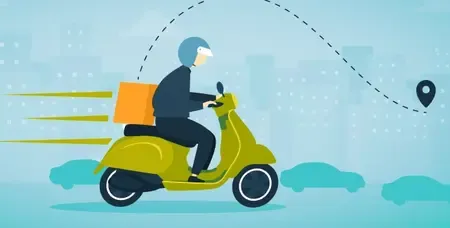
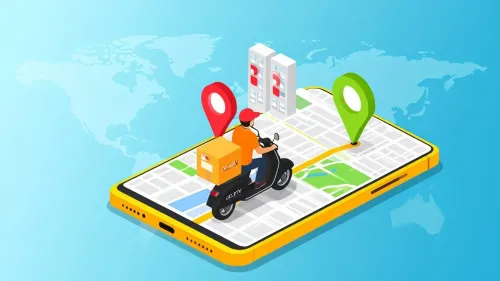
New Delhi, April 7 (NationPress) More than 70% of consumers indicated their intention to keep utilizing quick commerce platforms, even if discounts were to be scaled back. This trend highlights a growing preference for speed and convenience over price when making everyday purchases, according to a report released on Tuesday.
Despite this shift, traditional neighbourhood kirana stores continue to play a vital role in fulfilling grocery needs and maintaining trust-based transactions across India. However, 51% of consumers reported a decrease in their reliance on these stores over the last year, as noted in the report by Grant Thornton Bharat LLP.
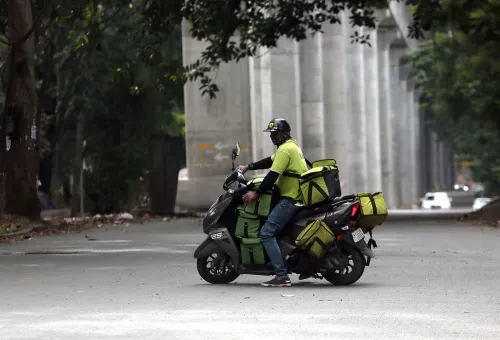
A significant 45% of consumers depend on quick commerce for urgent or last-minute purchases, while 24% utilize it for daily essentials such as milk and bread. Additionally, 19% of consumers turn to these services for impulse buys, like snacks and beverages, the report revealed.
Interestingly, 13% of respondents stated they now visit kiranas more often, and 27% reported no major changes in their shopping behaviours.
Kirana retailers are facing mounting operational challenges, including margin pressures, shorter credit cycles, and heightened expectations regarding product variety and availability. Many local shops are also exploring partnerships with digital commerce platforms.
The findings stem from a comprehensive national survey encompassing over 1,600 consumers and more than 1,000 kirana retailers from various regions.
About 40% of kirana retailers expressed a desire to collaborate with quick commerce platforms, while 32% showed interest but were uncertain about the practicalities of such partnerships.
Additionally, 20% indicated a willingness to engage if they received operational or technological support, illustrating the potential for deeper integration of local retail into digital commerce ecosystems.
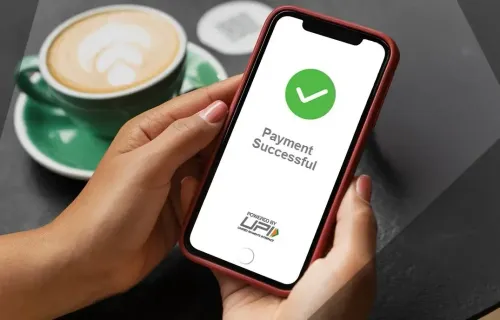
Digital payment options have become commonplace in local stores, with UPI and QR payments widely adopted. However, the uptake of more advanced technologies like POS systems, inventory management tools, and digital ordering solutions remains limited, primarily due to costs, required training, and operational complexities, the report concluded.
aar/pk
Point of View
It's crucial to acknowledge the transformative impact of quick commerce on consumer behavior. While traditional retailers like kiranas remain vital, the rising demand for convenience highlights the urgent need for these establishments to adapt and potentially collaborate with digital platforms.
NationPress
15 Oct 2026
Frequently Asked Questions
What percentage of consumers prefer quick commerce?
Over 70% of consumers indicated they would continue using quick commerce platforms even with reduced discounts.
How are kirana stores faring against quick commerce?
While kirana stores are still essential for daily groceries, 51% of consumers reported a decline in their reliance on these stores over the past year.
What types of purchases are most commonly made via quick commerce?
Consumers primarily use quick commerce for urgent purchases (45%), daily top-ups (24%), and impulse buys (19%).
Are kirana retailers open to partnering with digital platforms?
Yes, about 40% of kirana retailers expressed interest in collaborating with quick commerce platforms.
What payment methods are commonly accepted in kirana stores?
Digital payments, including UPI and QR codes, are widely accepted in neighbourhood stores.