CSIR transfers four indigenous technologies, launches IoT rural water system
Synopsis
CSIR-CSIO licensed four home-grown technologies — including defence avionics for SU-30 aircraft — and commercially launched an IoT-based rural water monitoring system on 23 July, while disclosing ₹1.67 crore in FY26 royalties from BEL. The event signals a sharper push by India's premier research body to bridge the lab-to-market gap in both defence and rural infrastructure.
Key Takeaways
CSIR licensed four indigenous technologies to industry at a Technology Transfer Event in New Delhi on 23 July .
Pump Academy Private Limited , Bengaluru, was licensed to produce the MSCOPE , PU-MPPM , and IPQA instruments.
The optical module and beam combiner assembly for the HUD used in SU-30 aircraft was transferred to BEL, Panchkula .
CSIR-CSIO received ₹1.67 crore in royalties from BEL in FY26 for indigenous military avionics technologies.
An Affordable IoT-enabled Water Service Delivery and Monitoring System for rural areas was commercially launched through Biometry Technologies Pvt.
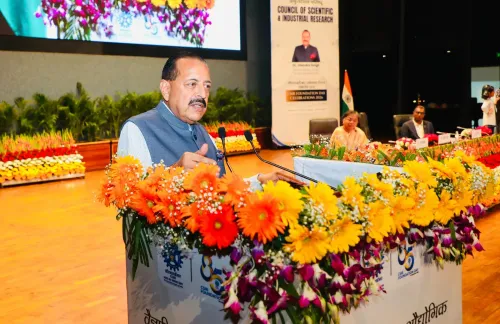
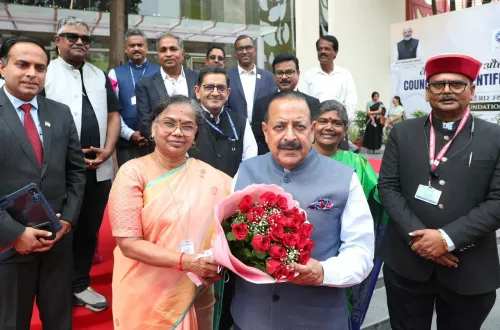
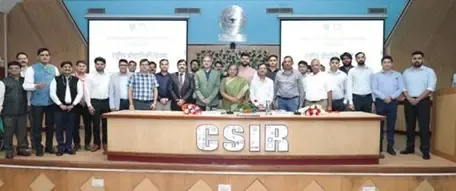
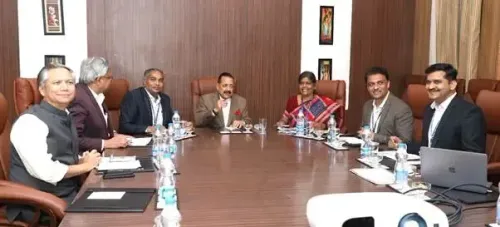
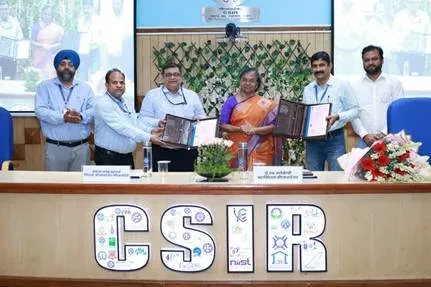
The Council of Scientific and Industrial Research (CSIR) held a Technology Transfer Event in New Delhi on 23 July, licensing four indigenous technologies to industry partners and commercially launching an IoT-enabled rural water service, measurement and monitoring system, according to an official statement from the Ministry of Science & Technology. The event, organised by CSIR-Central Scientific Instruments Organisation (CSIR-CSIO), Chandigarh, also marked the recognition of royalties received from Bharat Electronics Limited (BEL) for licensed production of indigenous defence technologies.
Technologies Licensed to Industry
Pump Academy Private Limited, Bengaluru, was licensed to manufacture three instruments: the Induction Motor Stethoscope (MSCOPE), the Portable & Universal Motor-cum-Pump Performance Monitor (PU-MPPM), and the i-Power Quality Analyser (IPQA). Additionally, the optical module and beam combiner assembly for the head-up display (HUD) used in SU-30 aircraft programmes was transferred to BEL, Panchkula — a significant step in India's indigenous defence manufacturing capability.
IoT Water System for Rural Deployment
Prof. Shantanu Bhattacharya, Director of CSIR-CSIO, announced the commercial launch of the Affordable IoT-enabled Water Service Delivery, Measurement and Monitoring Sensing System for Rural Deployment, rolled out through Biometry Technologies Pvt. Ltd. The system enables advanced monitoring of water quality, quantity, and service delivery in rural areas — addressing a long-standing infrastructure gap in India's hinterland.
Defence Royalties and BEL Partnership
CSIR-CSIO received ₹1.67 crore as royalty from BEL during FY26 for the licensed production of indigenous military avionics technologies. These include the head-up display (HUD), drogue lights, taxi landing lights, HUD I-level tester, and boresight alignment tool. Prof. Bhattacharya noted that the achievement reflects CSIR-CSIO's sustained partnership with Indian industry and its growing contribution to the Aatmanirbhar Bharat defence ecosystem.
CSIR's Broader Commercialisation Mission
Dr. N. Kalaiselvi, Director General of CSIR and Secretary of the Department of Scientific and Industrial Research (DSIR), commended the laboratory's efforts in accelerating technology development, increasing external cash flow, expanding industry partnerships, and enhancing technology transfer. She emphasised that the successful commercialisation of indigenous technologies is central to CSIR's mission of translating research into products and processes that deliver tangible benefits to both industry and society. This event underscores a broader institutional push to close the gap between laboratory innovation and market deployment — a challenge India's public research ecosystem has historically struggled with.
Point of View
But the real metric is sustained royalty flow and scale of deployment — not the number of licences signed. The ₹1.67 crore from BEL is a creditable figure for a single lab in a single year, yet it also illustrates how modest the commercial returns from India's public research infrastructure remain relative to its size. The IoT water system is promising for rural coverage, but its impact will hinge entirely on deployment scale and last-mile maintenance — areas where similar government-backed schemes have faltered before. The SU-30 HUD transfer to BEL is the headline with the most strategic weight, quietly advancing indigenous defence avionics at a time when India is actively reducing its dependence on imported military hardware.
NationPress
21 Oct 2026
Frequently Asked Questions
What technologies did CSIR transfer at the 23 July event?
CSIR licensed four indigenous technologies: the Induction Motor Stethoscope (MSCOPE), Portable & Universal Motor-cum-Pump Performance Monitor (PU-MPPM), and i-Power Quality Analyser (IPQA) to Pump Academy Private Limited, Bengaluru; and the optical module and beam combiner assembly for the head-up display (HUD) for SU-30 aircraft to Bharat Electronics Limited (BEL), Panchkula.
What is the IoT-enabled rural water system launched by CSIR-CSIO?
It is an Affordable IoT-enabled Water Service Delivery, Measurement and Monitoring Sensing System designed for rural deployment, launched commercially through Biometry Technologies Pvt. Ltd. The system monitors water quality, quantity, and service delivery in rural areas using connected sensors.
How much royalty did CSIR-CSIO earn from BEL, and for what?
CSIR-CSIO received ₹1.67 crore in royalties from BEL during FY26 for the licensed production of indigenous military avionics technologies, including the head-up display (HUD), drogue lights, taxi landing lights, HUD I-level tester, and boresight alignment tool.
Who organised the CSIR Technology Transfer Event?
The event was organised by CSIR-Central Scientific Instruments Organisation (CSIR-CSIO), Chandigarh, and held in New Delhi on 23 July. It was attended by CSIR Director General Dr. N. Kalaiselvi and CSIR-CSIO Director Prof. Shantanu Bhattacharya.
Why does this technology transfer matter for India's defence sector?
The transfer of the SU-30 HUD optical module to BEL advances India's indigenous defence manufacturing by reducing dependence on imported military avionics. Combined with the ₹1.67 crore royalty already flowing from BEL, it signals a maturing lab-to-production pipeline in the defence space.