How is the Delhi Assembly Speaker Addressing Audit Follow-Up Challenges?
Synopsis
In a recent meeting, Delhi Assembly Speaker Vijender Gupta flagged issues with incomplete audit responses, crucial for the efficiency of the Public Accounts Committee. The discussion focused on the newly implemented Audit Para Monitoring System, aimed at enhancing transparency and accountability in audit follow-ups.
Key Takeaways
Timely responses are crucial for efficient audit follow-ups.
The Audit Para Monitoring System (APMS) enhances transparency in the audit process.
Standardized guidelines will improve the quality of responses from departments.
Real-time monitoring of audit actions is essential for accountability.
Training on APMS is necessary for all relevant officers.
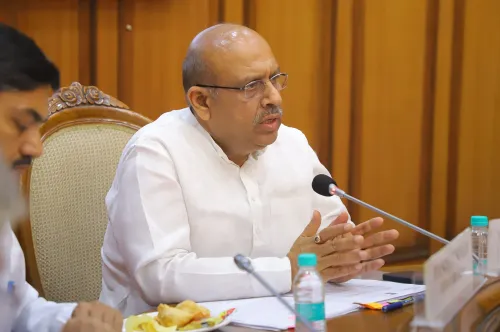
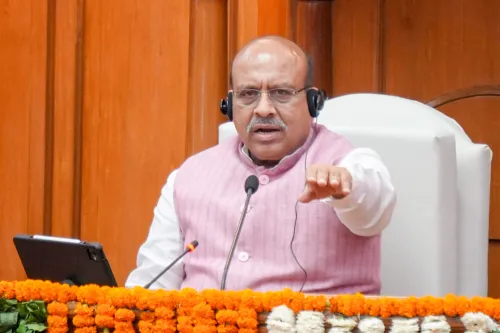
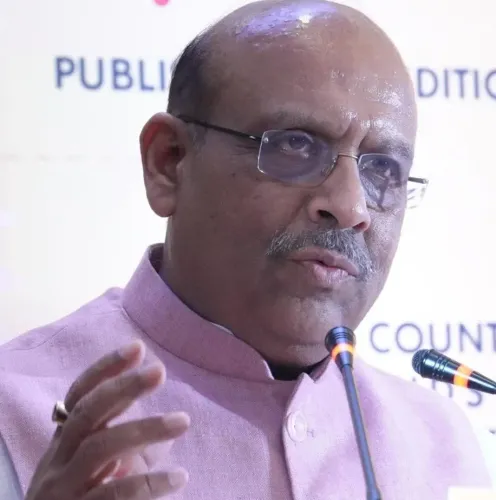
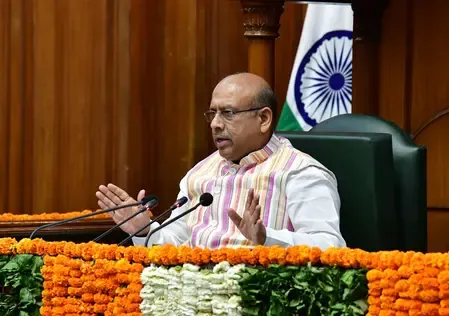
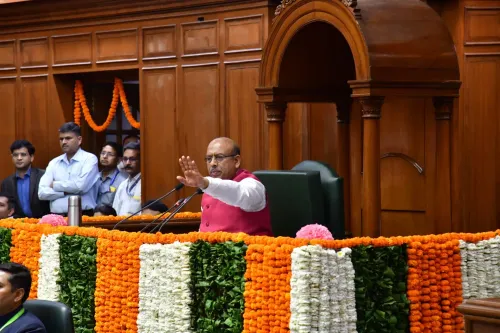
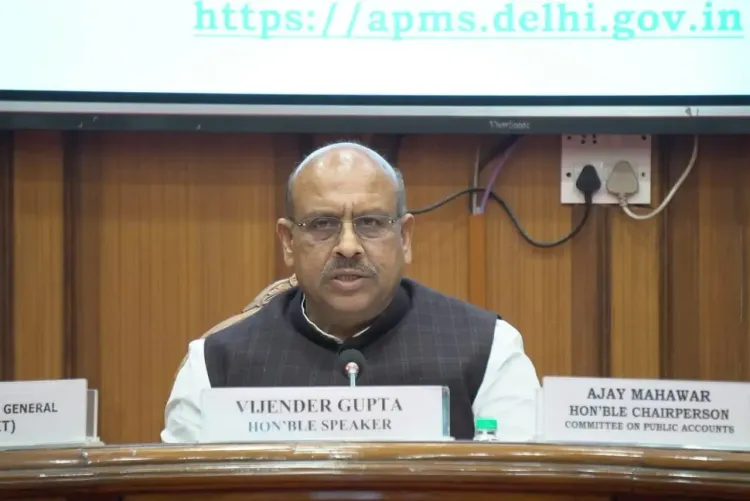
New Delhi, Dec 8 (NationPress) The Delhi Assembly Speaker, Vijender Gupta, highlighted on Monday that inadequate or informal responses to audit comments are creating obstacles in the audit follow-up process, hindering the efficiency of the Public Accounts Committee (PAC).
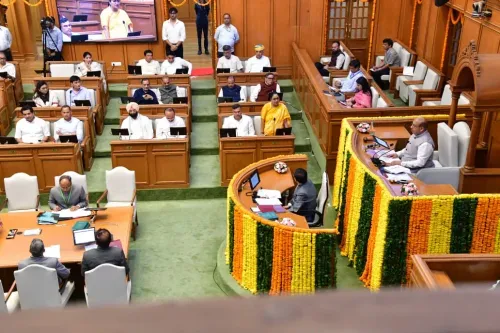
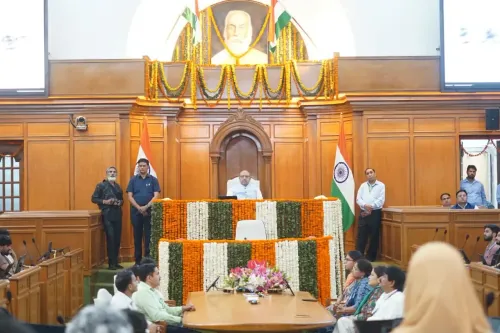
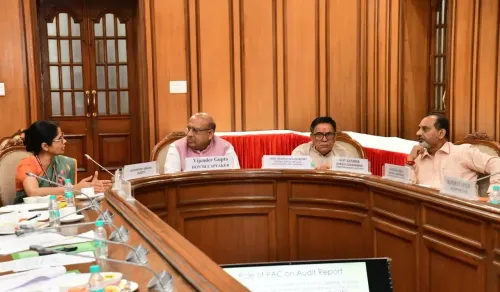
During a meeting convened with senior officials, Gupta evaluated the progress on actions taken regarding reports from the Comptroller and Auditor General of India, in anticipation of the Assembly's upcoming Winter Session, set to commence in the third week of this month.
The Speaker noted that the implementation of the Audit Para Monitoring System (APMS) in the Delhi Assembly is a pivotal advancement towards enhanced transparency, procedural discipline, and a more accountable audit follow-up framework.
“The APMS is now fully operational within the Government of the National Capital Territory of Delhi, and Delhi stands out as potentially the first State Assembly in the nation to launch such a comprehensive real-time audit monitoring portal,” Gupta stated.
During this meeting, extensive discussions were held regarding the challenges faced in audit follow-up. It was observed that numerous responses uploaded by various departments did not adhere to the required format, making it impossible to present them before the PAC, as confirmed by an official statement.
Gupta expressed concerns when reviewing the portal's status, which indicated that while 142 audit paragraphs had been uploaded by departments, only 30 Action Taken Notes had been submitted.
He emphasized that such delays are unsatisfactory and insisted that timely and complete responses are crucial for enabling the PAC to fulfill its responsibilities effectively.
The Speaker asserted that incomplete or informal replies could not be recognized as valid Action Taken Notes and must be returned for necessary corrections.
The meeting also addressed the remedial measures needed to enhance the audit response. Gupta directed that all departments need to submit corrected and properly formatted Action Taken Notes within a three-week timeframe.
He instructed the Assembly Secretariat to disseminate standardized guidelines detailing the required format, signing authority, and how replies should specifically address each audit comment.
Furthermore, Gupta called for a thorough demonstration of the APMS to ensure all levels of the organization understand the system well, enabling officers to navigate the portal and expedite their processes.
He reiterated that comprehensive training, strict compliance with the prescribed format, and prompt responses to audit comments are essential for empowering the PAC to operate effectively.
Attendees at the meeting included Ajay Mahawar, Chairman of the Committee on Public Accounts, Gajender Drall, Chairperson of the Committee on Government Undertakings, Aman Deep Chatha, Accountant General, Audit Government of India, Shurbir Singh, Secretary of Finance, Government of NCT of Delhi, along with senior officials from the Finance Department and the Directorate of Audit.
A detailed presentation during the meeting illustrated the functionality of the APMS, showing how the portal tracks each phase of an audit paragraph, captures comments from the audit office, monitors departmental responses, and provides real-time visibility of compliance and delays.
The APMS is a digital platform created by the Ministry of Finance’s Expenditure Department and designed by the Controller General of Accounts, following the guidelines set by the Public Accounts Committee.
This system facilitates comprehensive monitoring of audit paragraphs, Action Taken Notes, and Action Taken Replies, presenting the original audit observations, identified deficiencies, recorded comments at each step, departmental responses, acceptance or rejection of replies, and the statutory timelines for finalization.
Point of View
It is imperative to recognize the steps taken by the Delhi Assembly Speaker to address the challenges in audit follow-ups. The implementation of the Audit Para Monitoring System symbolizes a commitment to transparency and accountability, which is crucial in the governance framework. Ensuring that all departments adhere to the required formats will greatly enhance the efficiency of the Public Accounts Committee and serve the public interest effectively.
NationPress
21 Sept 2026
Frequently Asked Questions
What is the Audit Para Monitoring System?
The Audit Para Monitoring System (APMS) is a digital platform designed to enhance transparency and accountability in audit follow-ups, tracking each stage of audit observations and departmental responses.
Why are incomplete replies a problem?
Incomplete or informal replies hinder the Public Accounts Committee's ability to assess actions taken on audits, affecting their efficiency and effectiveness.
What actions were directed by the Speaker?
Speaker Vijender Gupta directed all departments to submit corrected Action Taken Notes within three weeks and established guidelines for uniformity in responses.