DGCA notifies gyroplane pilot training framework, opens path for new aviation category
Synopsis
India has taken its first regulatory step toward gyroplane aviation — a unique aircraft class that flies without a powered rotor. The DGCA's new training framework creates the licensing foundation for operations ranging from agricultural spraying to aerial surveillance, signalling a quiet but meaningful expansion of India's general aviation ambitions.
Key Takeaways
The DGCA notified a new Civil Aviation Requirement (CAR) on 29 September 2026 covering the training syllabus for gyroplane pilot licences.
The CAR is titled 'Ground and Flying Training Syllabus for Issue of Pilot Licence for Gyroplanes' under Section 7, Series B, Part XXI.
Gyroplanes use a freely rotating rotor for lift and an engine-driven propeller for thrust — the rotor is not powered in flight, unlike helicopters.
Approved uses include joyrides , agricultural spraying , banner towing , surveillance , and survey operations .
The DGCA noted that dedicated training organisations and domestic manufacturing capabilities must still be developed to fully operationalise the segment.
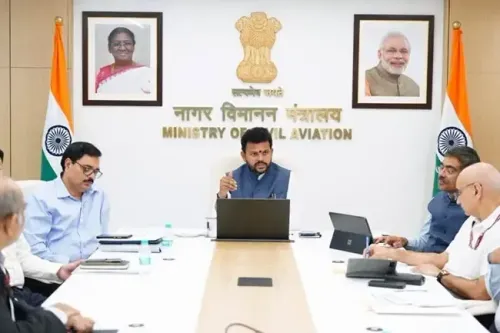
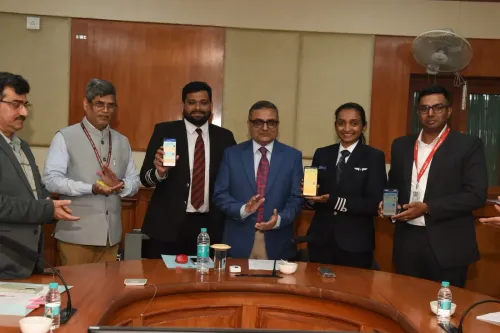
The Directorate General of Civil Aviation (DGCA) on Tuesday, 29 September 2026, issued a new Civil Aviation Requirement (CAR) laying down the ground and flying training syllabus for pilots seeking licences in the gyroplane category — a significant regulatory step toward introducing gyroplane operations commercially in India. The notification marks the first formal licensing framework for this class of aircraft in the country.
What the New CAR Prescribes
The newly notified CAR is titled 'Ground and Flying Training Syllabus for Issue of Pilot Licence for Gyroplanes' under Section 7, Series B, Part XXI. It details the prescribed ground instruction and in-flight training requirements that candidates must complete before they can obtain a DGCA pilot licence in the gyroplane category. The Ministry of Civil Aviation confirmed that the framework sets the foundational training standards for this segment.
What Gyroplanes Are and Where They Can Be Used
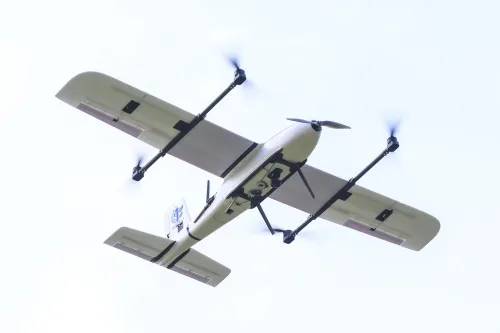
Gyroplanes are a distinctive class of aircraft that generate lift through a freely rotating rotor system, while forward thrust is provided by an engine-driven propeller. Unlike helicopters, the rotor of a gyroplane is not powered during flight, which gives the aircraft a unique aerodynamic profile and operational flexibility.
According to the DGCA, gyroplanes can be deployed across a range of specialised and recreational operations, including joyrides, air experience flights, agricultural spraying, banner towing, surveillance missions, and survey operations. This versatility positions them as a cost-effective option for both leisure aviation and commercial aerial work.
Why This Matters for India's Aviation Sector
The DGCA described the issuance of the CAR as an important first step toward enabling the operationalisation of gyroplanes in India. Pilot training and licensing are key prerequisites for any new aviation segment to take off, and this framework provides the regulatory foundation for both. Notably, India's general aviation sector has long been identified as underdeveloped relative to the country's size and economic ambition, and new aircraft categories such as gyroplanes could widen participation in low-altitude aviation.
This comes amid a broader push by the Ministry of Civil Aviation to diversify India's aviation ecosystem beyond commercial airline operations, including earlier moves to promote drone regulations and helicopter connectivity under the UDAN scheme.
What Comes Next
The DGCA acknowledged that the new CAR is only the beginning. Additional measures will be needed to build out the full ecosystem, including the establishment of dedicated training organisations and the development of domestic manufacturing and assembly capabilities for gyroplanes. Without these supporting structures, the licensing framework alone cannot drive sector growth. Stakeholders in the aviation training and light aircraft manufacturing space will now be watching for follow-on regulatory notifications to enable operational deployment.
Point of View
The framework risks sitting dormant. India's general aviation sector has repeatedly announced intent without building the supporting infrastructure. The test here is whether the Ministry of Civil Aviation follows this notification with equally concrete steps on training bodies and manufacturing incentives — or whether this becomes another regulatory milestone that precedes years of inaction.
NationPress
29 Sept 2026
Frequently Asked Questions
What is the new DGCA gyroplane training framework?
The DGCA has notified a Civil Aviation Requirement (CAR) titled 'Ground and Flying Training Syllabus for Issue of Pilot Licence for Gyroplanes', which lays down the ground and flying training standards candidates must complete to obtain a DGCA pilot licence in the gyroplane category. It is the first such formal framework in India and was issued on 29 September 2026.
What is a gyroplane and how is it different from a helicopter?
A gyroplane is an aircraft that generates lift through a freely rotating rotor that is not engine-powered during flight, while forward thrust comes from an engine-driven propeller. Unlike a helicopter, the rotor spins freely due to airflow rather than being driven by the engine, giving gyroplanes a distinct flight profile and making them generally simpler to operate.
What operations can gyroplanes be used for in India?
According to the DGCA, gyroplanes can be deployed for joyrides, air experience flights, agricultural spraying, banner towing, surveillance missions, and survey operations. Their versatility makes them suitable for both recreational and commercial aerial work.
What else is needed before gyroplane operations can begin in India?
The DGCA has noted that the new CAR is only a first step. The regulator said dedicated training organisations must be established, and domestic manufacturing and assembly capabilities for gyroplanes need to be developed before the segment can be fully operationalised.
Why is this significant for India's aviation sector?
India's general aviation sector has historically been underdeveloped relative to the country's size. Introducing a regulatory framework for a new aircraft category like gyroplanes could diversify low-altitude aviation, create new commercial opportunities, and support government ambitions to expand beyond large commercial airline operations.