EASA orders urgent A380 wing checks on 16 Emirates, Qantas jets
Synopsis
EASA has grounded five Airbus A380s and ordered urgent wing checks on 16 jets — 15 from Emirates, one from Qantas — after cracks in wing mid-spar components raised structural integrity concerns. The emergency directive escalates years of incremental regulatory scrutiny on the world's largest passenger aircraft as its oldest units accumulate flight cycles.
Key Takeaways
EASA issued an emergency airworthiness directive on 24 June covering 16 Airbus A380 aircraft.
15 affected jets are operated by Emirates ; one belongs to Qantas (registration VH-OQI ).
Five aircraft must be inspected before returning to service; the remaining 11 must be checked within 25 flight cycles .
Airlines must submit inspection findings to regulators within seven days , whether or not cracks are detected.
Aircraft with structural discrepancies must undergo repairs before resuming commercial operations.
EASA has not identified an immediate safety risk for the broader A380 fleet and has allowed limited non-passenger ferry flights for repositioning.
The European Union Aviation Safety Agency (EASA) has issued an emergency airworthiness directive requiring urgent inspections of 16 Airbus A380 aircraft after cracks were detected in wing structural components, raising fresh concerns about the long-term structural integrity of the world's largest commercial passenger jet. The directive, which came into force on Wednesday, 24 June, targets wing mid-spars on affected aircraft following a review of data gathered under previous airworthiness directives.
Which Aircraft Are Affected
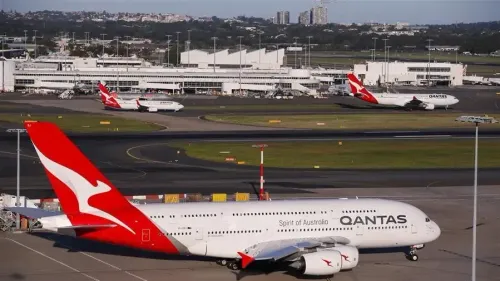
According to reports, 15 of the flagged aircraft are operated by Emirates, the world's largest A380 operator with a fleet of more than 100 such jets. The remaining aircraft belongs to Qantas, registered as VH-OQI. Of the 16 aircraft covered by the directive, five must complete inspections before they are permitted to return to commercial service, while the remaining 11 must undergo checks within the next 25 flight cycles.
What the Directive Requires
Airlines have been instructed to obtain detailed inspection procedures directly from Airbus and submit their findings to regulators within seven days, regardless of whether cracks are found. Any aircraft in which structural discrepancies are identified will be grounded for repairs before it can resume passenger operations. Notably, EASA has permitted limited non-passenger ferry flights to allow aircraft to be repositioned to maintenance facilities for the required checks.
Qantas and Emirates Respond
Qantas said its affected jet is already undergoing heavy maintenance in Dresden, Germany, and the latest directive is not expected to disrupt its operations. Emirates has not issued a public statement on the directive as of the time of this report, though the airline accounts for the bulk of aircraft covered by the order given the scale of its A380 operations.
Broader Safety Context
EASA has clarified that it has not identified an immediate safety risk for the wider A380 fleet. The latest action follows a pattern of incremental regulatory scrutiny of the superjumbo's ageing structural components, as the oldest aircraft in the type's fleet — first delivered in 2007 — begin accumulating high flight cycles. This is not the first time wing mid-spar cracks have drawn regulatory attention; earlier airworthiness directives had already mandated periodic monitoring, and the current emergency order reflects an escalation based on inspection data collected under those prior mandates.
What Happens Next
Operators are expected to report inspection outcomes to EASA within the stipulated seven-day window. Should additional cracks be identified beyond the 16 aircraft currently flagged, the directive could be widened to cover a larger portion of the global A380 fleet. The development is being closely watched by aviation safety authorities worldwide, given the A380's role as a high-capacity trunk-route aircraft for several major international carriers.
Point of View
But a targeted escalation that reveals how regulators manage ageing wide-body fleets without triggering panic. The real signal here is procedural: by requiring inspection reports within seven days irrespective of findings, EASA is building a data set, likely in anticipation of a broader directive. Emirates, with over 100 A380s, carries the systemic exposure; if crack patterns repeat across a wider sample, the directive's scope could expand sharply. The A380's commercial future was already uncertain before this — Airbus ended production in 2021 — and recurring structural advisories on its oldest units will intensify pressure on operators to accelerate retirement timelines.
NationPress
24 Jun 2026
Frequently Asked Questions
Why has EASA issued an emergency directive for 16 Airbus A380 aircraft?
EASA issued the directive after cracks were found in wing mid-spar components on 16 A380 jets, raising concerns that the structural integrity of the wing could be compromised. The order followed a review of inspection data collected under earlier airworthiness directives and came into force on 24 June.
Which airlines are affected by the EASA A380 wing inspection order?
Emirates is the primary operator affected, with 15 of its A380s covered by the directive. Qantas has one aircraft — registered VH-OQI — included in the order; that jet is already undergoing heavy maintenance in Dresden, Germany.
What must airlines do under the EASA directive?
Airlines must obtain detailed inspection procedures from Airbus, inspect the wing mid-spars of affected aircraft within the stipulated timeframe, and submit findings to regulators within seven days. Aircraft found with structural discrepancies must be repaired before returning to commercial service.
Is the broader A380 fleet considered unsafe?
EASA has clarified that it has not identified an immediate safety risk for the wider A380 fleet. The directive targets 16 specific aircraft based on existing inspection data, and limited non-passenger ferry flights have been permitted to reposition jets for maintenance.
What happens if more cracks are found during inspections?
Any aircraft with structural discrepancies must undergo repairs before resuming passenger operations. If crack patterns are identified across a larger number of aircraft, regulators could widen the directive to cover more of the global A380 fleet.