Foreign investors sell $14.16 billion in Korean stocks in September amid AI, Middle East fears
Synopsis
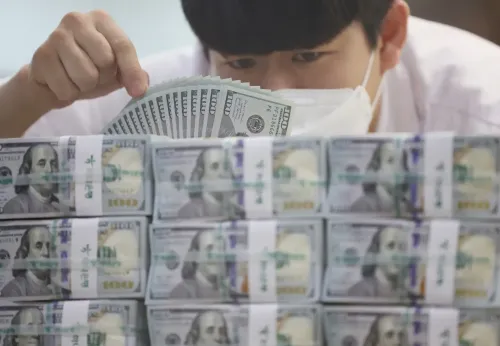
Foreign investors dumped a net $14.16 billion in South Korean stocks in September — the largest outflow in months — as AI investment anxiety and Middle East-driven inflation fears triggered a broad risk-off move. The sell-off extended to bonds ($5.81 billion) and came just one month after foreigners had briefly returned as net buyers, exposing how quickly global sentiment can flip on emerging markets.
Key Takeaways
Foreign investors sold a net $14.16 billion in South Korean stocks in September 2026 , reversing August's net buying of $40 million .
Offshore investors also offloaded $5.81 billion in local bonds, extending the previous month's $4.53 billion bond sell-off.
The Bank of Korea (BOK) cited Middle East tensions and concerns over excessive AI infrastructure investment as key triggers.
The Korean won stood at 1,352.8 won per dollar at end-September, compared with 1,368.6 won in August.
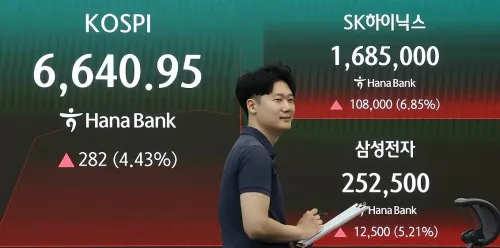
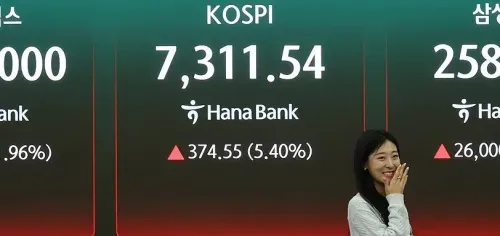
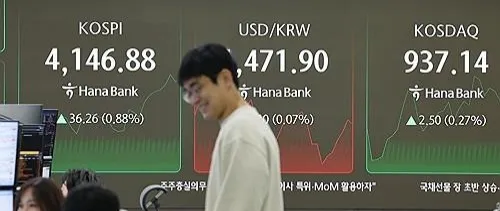
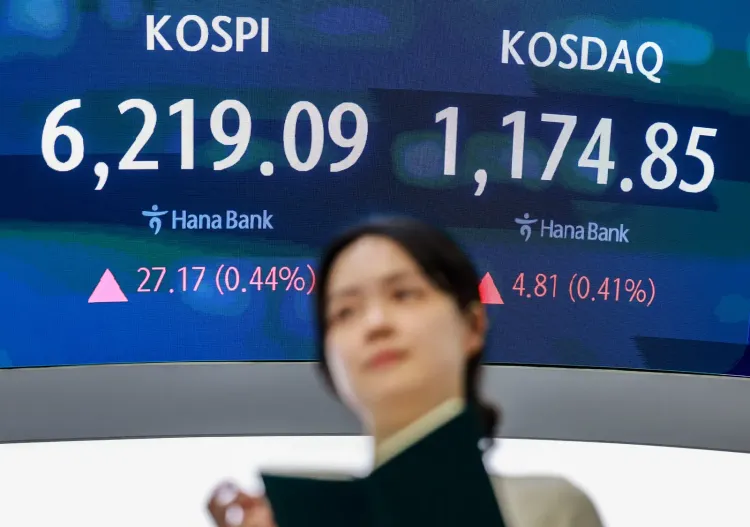
The KOSPI rebounded 2.79% to 5,709.1 on Friday morning after a 7%-plus crash the previous session.
The US PPI jumped 1.3% in September — its largest gain in 4.5 years — reinforcing expectations of a hawkish US Fed .
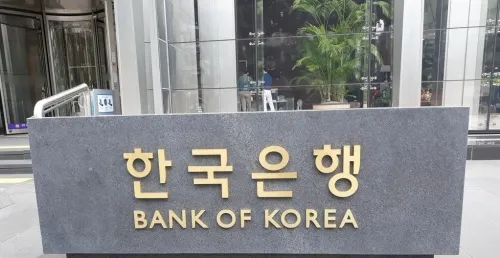
Foreign investors turned net sellers of South Korean stocks in September 2026, offloading a net $14.16 billion worth of local equities, according to data released by the Bank of Korea (BOK) on Friday, 16 October. The sharp reversal followed a modest net buying of $40 million in August and underscores renewed anxiety over AI infrastructure investment and Middle East tensions.
Scale of the Sell-Off
The September outflows represent a dramatic swing from August, when offshore investors had briefly turned net buyers — ending a streak of net selling that had persisted since January 2026. The BOK attributed the reversal to dual headwinds: concerns that prolonged Middle East tensions would stoke inflationary pressure, and growing scepticism over the sustainability of heavy investment in artificial intelligence infrastructure.
Foreigners also sold $5.81 billion worth of local bonds in September, extending the previous month's sell-off of $4.53 billion — signalling broad-based risk aversion rather than equity-specific concerns.
Currency Movement
The Korean won was trading at 1,352.8 won per dollar at the end of September, compared with 1,368.6 won a month earlier, indicating some modest strengthening of the local currency even as capital outflows mounted. By 11:20 am IST on Friday, the won had moved to 1,345.7 won against the US dollar, down 3.7 won from the previous trading session.
Friday's Market Rebound
Despite the grim September data, Seoul stocks extended gains on Friday morning as investors went bargain hunting in large-cap technology shares. The benchmark Korea Composite Stock Price Index (KOSPI) climbed 154.88 points, or 2.79%, to 5,709.1 as of 11:20 am — a partial recovery after the index had tumbled more than 7% in the previous session over concerns about the durability of the AI trade.
Chip giants Samsung Electronics and SK Hynix both added over 2%. Battery maker LG Energy Solution advanced 0.99%, Hyundai Motor surged 6.77%, and defence conglomerate Hanwha Aerospace vaulted 9.1%.
Global Backdrop: Wall Street and US PPI
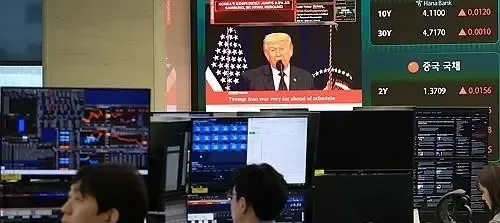
Overnight, major Wall Street indices closed higher despite declines in leading AI-linked shares, as investors digested the latest US producer price data. The US Producer Price Index (PPI) surged 1.3% in September — the largest gain in four and a half years — driven largely by energy price increases tied to the ongoing Middle East conflict. The reading has fuelled expectations that the US Federal Reserve is likely to maintain a hawkish stance on interest rates, adding to global market uncertainty.
What to Watch
The combination of a hot US PPI print, sustained foreign selling in Korean assets, and fragile AI sentiment sets up a cautious near-term outlook for KOSPI. Whether Friday's bargain-hunting rally holds will depend heavily on the next US inflation data and any escalation in the Middle East. Analysts note that if the Fed signals prolonged higher rates, emerging market equity outflows — including from South Korea — could intensify further.
Point of View
Not a structural shift. South Korea's stock market sits at the intersection of two of the world's biggest macro concerns right now — the durability of AI-driven capex and the inflationary fallout from the Middle East conflict — making it an early-warning barometer for global risk appetite. The KOSPI's Friday rebound is encouraging, but with the US PPI printing at a 4.5-year high and the Fed expected to stay hawkish, the fundamental conditions that triggered the September outflows have not changed. Investors should watch bond flows as closely as equity flows; the $5.81 billion bond sell-off signals that this is a broader emerging-market risk-off, not just a tech-sector correction.
NationPress
16 Oct 2026
Frequently Asked Questions
Why did foreign investors sell South Korean stocks in September 2026?
Foreign investors sold a net $14.16 billion in South Korean stocks in September 2026, driven by concerns over escalating Middle East tensions stoking inflationary pressure and growing doubts about the sustainability of heavy investment in AI infrastructure, according to Bank of Korea data. Rising global bond yields further reduced appetite for emerging market equities.
How significant was the September sell-off compared to recent months?
The September outflow of $14.16 billion was a sharp reversal from August, when foreigners were net buyers of $40 million — the first month of net buying since January 2026. The scale of the sell-off underscores how quickly global sentiment shifted on Korean assets within a single month.
What happened to the KOSPI on Friday, 16 October 2026?
The KOSPI rebounded 154.88 points, or 2.79%, to 5,709.1 as of 11:20 am on Friday, as bargain hunters targeted large-cap tech shares after the index had tumbled more than 7% in the previous session. Samsung Electronics, SK Hynix, Hyundai Motor, and Hanwha Aerospace all posted strong gains.
What does the US Producer Price Index surge mean for global markets?
The US PPI surged 1.3% in September — its largest monthly gain in four and a half years — primarily due to energy price increases linked to the Middle East conflict. The reading has heightened expectations that the US Federal Reserve will maintain a hawkish interest-rate stance, which typically pressures emerging market capital flows and equities.
Did foreigners also sell South Korean bonds in September?
Yes, foreign investors sold $5.81 billion in South Korean bonds in September, following a $4.53 billion sell-off in August. The sustained bond outflows suggest broad risk aversion toward Korean assets rather than a concern confined to equities alone.