CM Mamata Extends Shubho Shashti Wishes on Durga Pujo
Synopsis
West Bengal Chief Minister Mamata Banerjee extended Shubho Shashti greetings on October 16, 2026, invoking Maa Durga's blessings for courage, compassion, and a more peaceful tomorrow as Durga Pujo festivities formally begin across Bengal.
Key Takeaways
Chief Minister Mamata Banerjee posted Shubho Shashti wishes on October 16, 2026 , marking the formal start of Durga Pujo.
Shashti is the sixth day of the festival calendar, when the ritual awakening ( Bodhon ) of Maa Durga takes place.
The CM invoked themes of 'faith, resilience and the enduring triumph of good over evil' in her message.
Durga Puja was inscribed on UNESCO's Intangible Cultural Heritage of Humanity list in 2021 .
The festival is the largest cultural event in West Bengal , drawing tens of millions of participants annually.
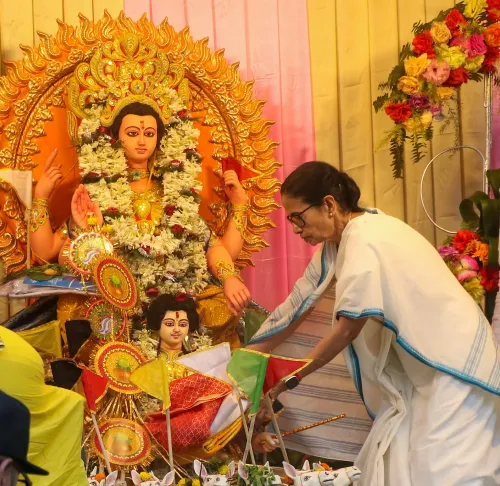
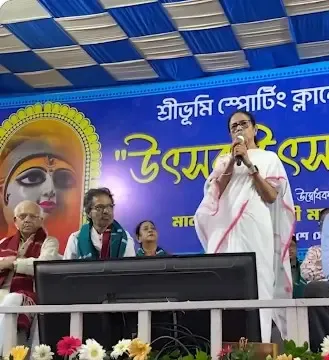
On the auspicious occasion of Shashti — the sixth day that formally opens the grandest festival in Bengal's calendar — West Bengal Chief Minister Mamata Banerjee sent warm wishes to the people on Friday, October 16, 2026, invoking the spirit of Maa Durga as a symbol of courage, compassion, and hope.
In her message, Chief Minister Banerjee wrote: 'Durga Pujo is a celebration of faith, resilience and the enduring triumph of good over evil. As the festivities begin, may the blessings of Maa Durga inspire courage in the face of adversity, compassion in every heart and hope for a more peaceful and prosperous tomorrow.'
Shashti: The Moment the Goddess Arrives
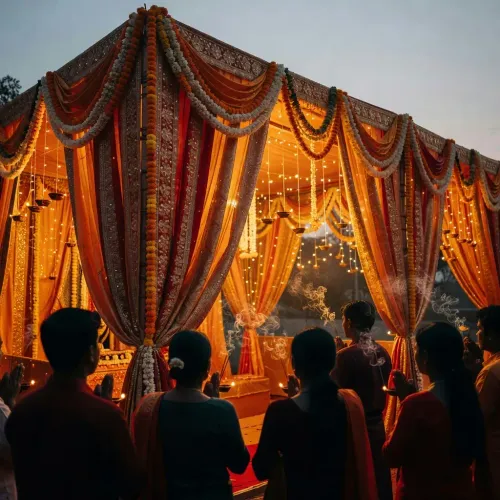
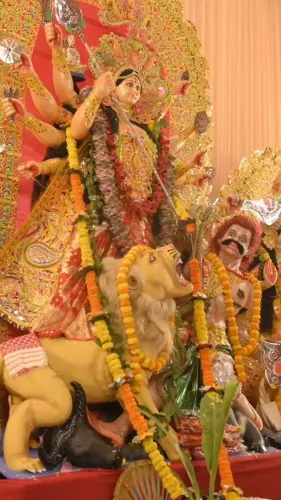
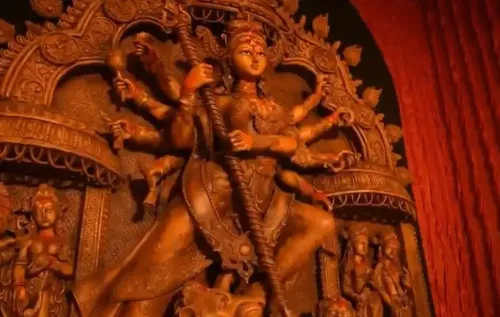
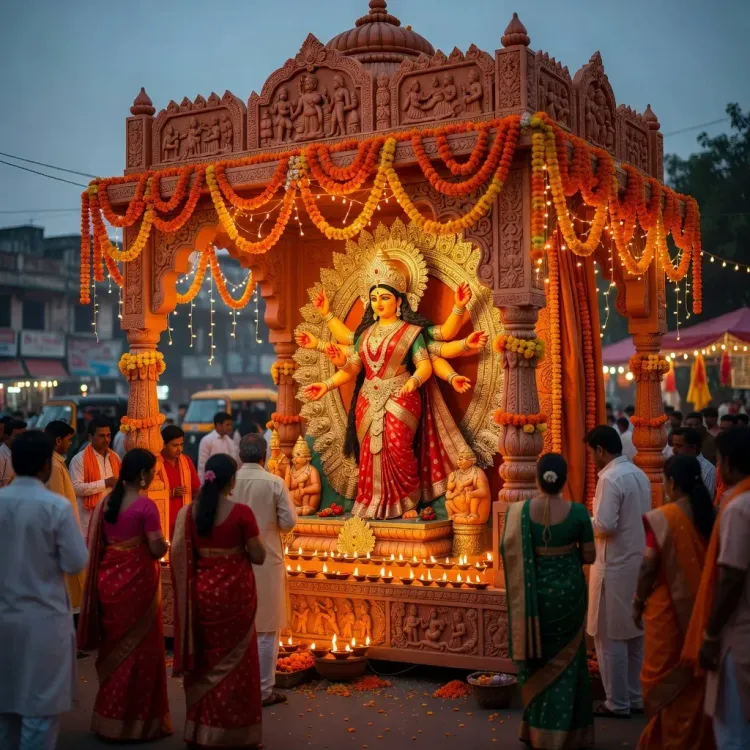
Shashti marks the ritual unveiling of the goddess — Bodhon, the ceremonial 'awakening' of Durga — that sets the five-day festival fully in motion across West Bengal, Bangladesh, and Bengali communities worldwide. Pandals light up, drumbeats of the dhak fill the air, and millions begin the rounds of idol viewing known as pandal hopping. It is the emotional ignition point of Pujo.
For Chief Minister Banerjee, who has long championed Durga Puja as both a cultural institution and a unifying civic moment in West Bengal, the greeting carries its customary weight. The festival draws tens of millions of participants each year and was inscribed on UNESCO's Intangible Cultural Heritage of Humanity list in 2021 — a recognition the Chief Minister celebrated publicly at the time.
The Message Behind the Blessing
The language of the wish — 'courage in the face of adversity, compassion in every heart' — echoes the mythological core of the Durga narrative: the goddess as the collective power of the divine, assembled to vanquish what cannot be vanquished alone. In a state that has seen its share of political turbulence, the invocation of resilience is never simply ritual. It lands with context.
As Saptami, Ashtami, and Navami build toward the emotional peak of Sindoor Khela and Vijaya Dashami, the Chief Minister's Shashti message sets the civic tone: that the festival belongs to everyone, and that its deeper promise — the triumph of good over evil — remains the one aspiration no partisan divide can dissolve.
Point of View
She has consistently framed the festival as a civilisational statement about West Bengal's identity, distinct from both New Delhi's political calendar and any single community. The choice of words — 'resilience', 'adversity', 'hope for peace' — subtly positions the festival as a site of moral clarity at a time of ongoing political contest in the state. Whether read as spiritual sincerity or strategic messaging, the effect is the same: Mamata and Durga Pujo remain inseparable in Bengal's public imagination.
NationPress
16 Oct 2026
Frequently Asked Questions
What is Shubho Shashti in Durga Puja?
Shubho Shashti is the auspicious sixth day of the Durga Puja festival, marking the formal beginning of the main celebrations with the ritual awakening of the goddess known as Bodhon. It is the day when pandals officially open and the festive atmosphere reaches its first peak.
What did Mamata Banerjee say on Durga Pujo 2026?
Chief Minister Mamata Banerjee described Durga Pujo as 'a celebration of faith, resilience and the enduring triumph of good over evil' and prayed that Maa Durga's blessings inspire courage, compassion, and hope for a peaceful tomorrow.
When is Durga Puja 2026?
Durga Puja 2026 began on Shashti, which fell on October 16, 2026, with the main festivities of Saptami, Ashtami, and Navami following over the next three days before Vijaya Dashami.
Is Durga Puja a UNESCO heritage festival?
Yes. Durga Puja in Kolkata was inscribed on UNESCO's Representative List of the Intangible Cultural Heritage of Humanity in December 2021, recognising it as a major living cultural tradition.
Why does Mamata Banerjee celebrate Durga Pujo publicly every year?
As Chief Minister of West Bengal and leader of the All India Trinamool Congress, Mamata Banerjee has consistently championed Durga Pujo as the defining cultural event of Bengal's identity. She played a prominent role in the UNESCO recognition drive and views the festival as a unifying civic moment that transcends political divides.