Deepinder Goyal backs gravity-ageing hypothesis published in research reviews
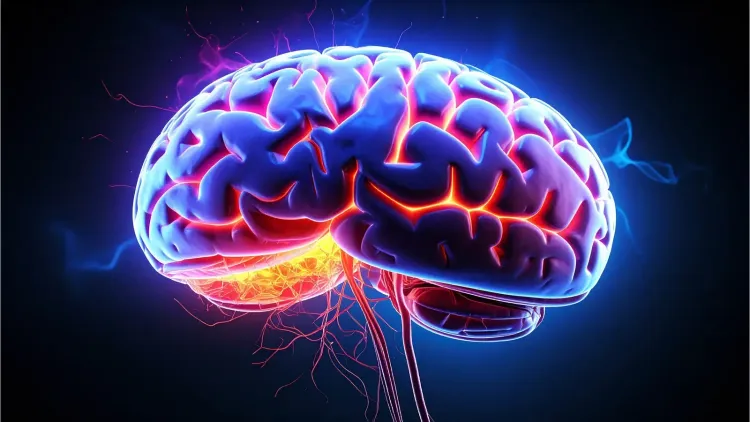
Synopsis
Eternal founder Deepinder Goyal has backed a peer-reviewed hypothesis paper suggesting that a lifetime of upright posture may gradually impair cerebral blood flow and accelerate ageing — but he is emphatic it remains unproven. The move comes as his wearable startup Temple faces scrutiny from doctors over its scientific claims, making this publication as much a credibility play as a scientific one.
Key Takeaways
Deepinder Goyal , founder of Eternal , announced on 21 November that a hypothesis paper on gravity's potential role in human ageing has been published in research reviews.
The paper argues that upright posture forces the body to work against gravity to maintain brain blood flow, a mechanism that may weaken with age.
Brain regions implicated — the brainstem and hypothalamus — regulate circulation, metabolism, hormones, and sleep.
Goyal stressed the paper is a hypothesis only; peer review confirmed the argument's publishability, not its truth.
Experiments to test the hypothesis are reportedly already underway; researchers have been invited to collaborate, including to attempt to disprove it.
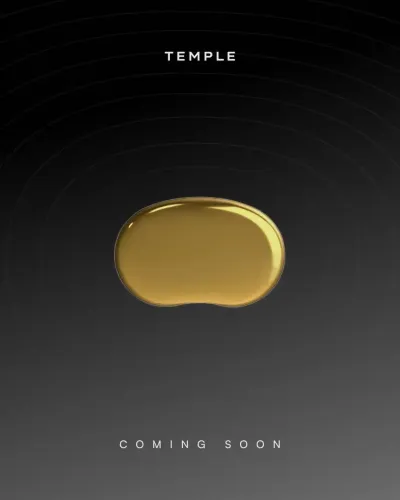
The publication follows criticism of Goyal's wearable startup Temple by doctors over its scientific and physiological claims.
Eternal founder Deepinder Goyal on Saturday, 21 November announced that a scientific paper exploring whether gravity could be an underappreciated driver of human ageing has been published in research reviews. Goyal described the work as a hypothesis that now requires experimental validation before any conclusions can be drawn.
What the Paper Proposes
The paper examines whether a lifetime spent in an upright posture — standing or sitting — could contribute to age-related declines in blood flow to the brain. Because the brain sits above the heart in an upright position, the body must continuously work against gravitational pull to sustain adequate cerebral circulation.
According to the paper's authors, this compensatory mechanism may weaken over time, potentially exposing regions such as the brainstem and hypothalamus to repeated, cumulative reductions in blood flow across decades. These brain regions are understood to regulate circulation, metabolism, body temperature, hormonal function, and sleep — raising the possibility, the researchers argue, that their gradual impairment could contribute to whole-body ageing.
What Goyal Said on X
In a post on social media platform X, Goyal was careful to frame the publication's scope. 'Please note that this is a hypothesis paper. Peer review checked that the argument is strong enough to publish; only experiments can prove whether it is true or false,' he wrote. He added that the paper does not claim gravity is the sole cause of ageing, nor does it establish the magnitude of any potential effect.
Goyal also noted that experiments aimed at testing the hypothesis are already underway and invited researchers to collaborate — including those looking to design studies that could disprove the theory.
Role of Exercise and Sleep
The paper additionally discusses lifestyle factors commonly linked to healthy ageing. According to the authors, exercise may help improve cerebral blood flow, while lying down during sleep temporarily eliminates the gravitational challenge the upright body faces during waking hours. These observations, the researchers suggest, may partly explain why both habits are associated with better long-term health outcomes.
Context: Temple and Medical Community Scrutiny
Goyal shared the publication in the wake of criticism directed at Temple — his wearable technology startup — from sections of the medical community. Critics had questioned the scientific basis of some of the company's health-related claims, particularly around brain blood flow and other physiological metrics. Earlier in November 2024, Goyal had publicly defended Temple's research and product development efforts in response to those concerns.
The publication of the gravity-ageing hypothesis paper represents a broader effort to ground Temple's scientific positioning in peer-reviewed literature, though the hypothesis itself remains unproven and awaits experimental confirmation.
Point of View
Not just a scientific one. Yet the paper itself is precisely what Goyal says it is: a hypothesis, not a finding. The risk is that the association between a high-profile founder and a speculative scientific idea can blur that distinction in public discourse, lending unearned authority to an unproven claim. Whether gravity meaningfully accelerates ageing is a genuinely interesting question; whether a startup under regulatory and professional scrutiny should be the one amplifying it is a separate question that mainstream coverage has largely sidestepped.
NationPress
21 Nov 2026
Frequently Asked Questions
What does the gravity-ageing hypothesis paper claim?
The paper proposes that spending a lifetime in an upright position may gradually impair the body's ability to maintain adequate blood flow to the brain, potentially contributing to age-related decline. It focuses on the brainstem and hypothalamus — regions that regulate circulation, metabolism, hormones, and sleep — as possible sites of cumulative damage.
Has the gravity-ageing hypothesis been proven?
No. Deepinder Goyal explicitly stated that the publication is a hypothesis paper, not a proof. Peer review confirmed the argument was strong enough to publish, but only controlled experiments can determine whether the theory is correct.
Why did Deepinder Goyal share this paper?
Goyal shared the paper on social media platform X after his wearable technology startup Temple faced criticism from sections of the medical community over the scientific basis of its health claims. He also invited researchers to collaborate on experiments to test — or disprove — the hypothesis.
What role do exercise and sleep play in this hypothesis?
According to the paper's authors, exercise may help improve cerebral blood flow, while lying down during sleep temporarily removes the gravitational challenge the upright body faces during the day. These factors may partly explain their well-established association with healthier ageing.
What is Temple, and why is it under scrutiny?
Temple is a wearable technology startup founded by Deepinder Goyal. Earlier in November 2024, doctors publicly questioned the scientific basis of some of the company's claims around brain blood flow and physiological metrics. Goyal defended the company's research efforts in response to that criticism.