Piyush Goyal: India won't sign US trade deal without competitive edge
Synopsis
India has drawn a clear red line on the US trade deal: no competitive advantage framework, no agreement. Commerce Minister Piyush Goyal's London remarks reveal that New Delhi negotiated the deal assuming a tariff cut from 50% to 18% — and without that edge locked in legally, India is prepared to walk away from the table.
Key Takeaways
Commerce Minister Piyush Goyal said on Thursday that India will not sign a US trade deal without a clear competitive advantage over rival economies.
India had negotiated on the assumption that tariffs on Indian exports would fall from 50 per cent to 18 per cent under the proposed agreement.
The tariffs in question were imposed under the International Emergency Economic Powers Act (IEEPA) .
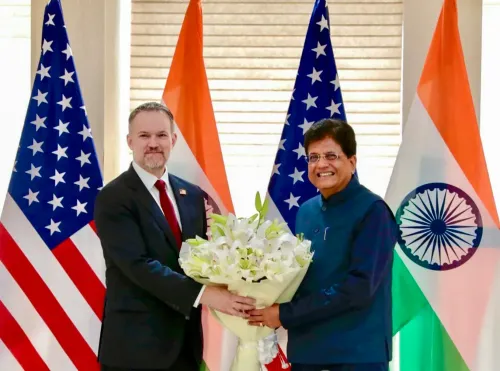
Goyal's remarks followed the third round of India-US trade negotiations, held in New Delhi with US Trade Representative Jamieson Greer .
No breakthrough was reported; both sides said they remain committed to advancing talks under the proposed bilateral trade agreement.
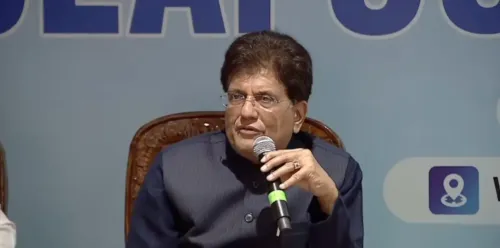
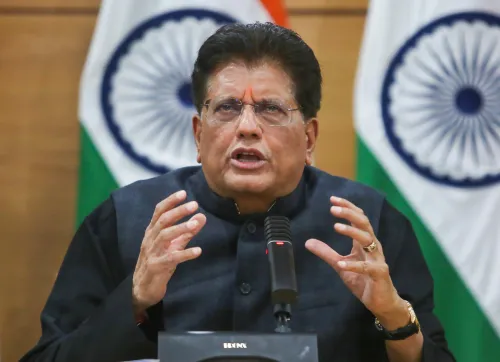
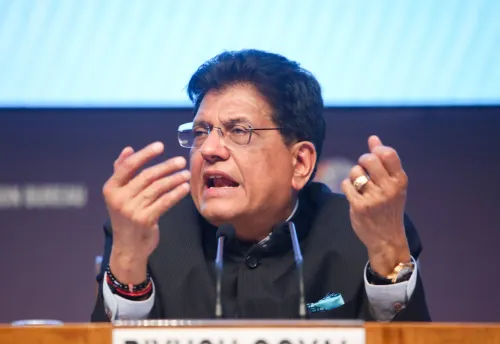
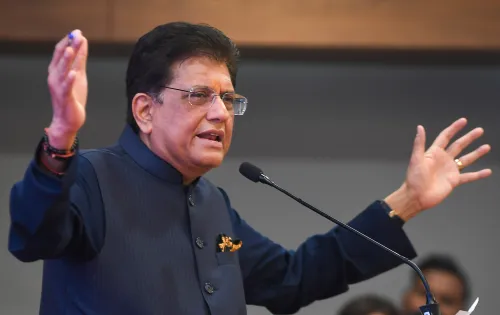
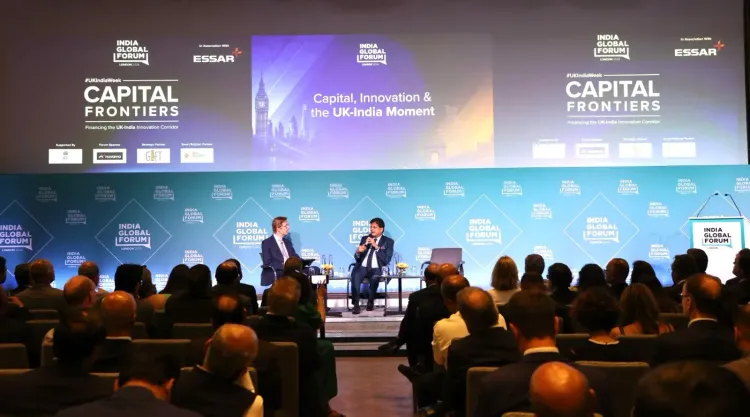
Commerce Minister Piyush Goyal on Thursday stated unequivocally that India will not conclude a trade agreement with the United States unless it secures a clear competitive advantage over rival economies. Speaking during a two-day visit to London, Goyal said New Delhi would only move forward once Washington establishes a legal and policy framework that gives Indian exporters preferential market access relative to competing nations.
Goyal's Core Condition
“Until the framework for getting competitive advantage is finalised, we cannot enter into a US deal,” Goyal said. He added that ongoing discussions are centred on how the US can create the necessary legal backing to deliver that advantage to Indian exporters. The remarks signal that India is in no rush to close a deal on terms it considers unfavourable.
Background: Tariff Arithmetic Behind the Talks
The context is critical. According to Goyal, India had negotiated the proposed agreement on the premise that the effective tariff burden on Indian exports — then running at around 50 per cent under the International Emergency Economic Powers Act (IEEPA) — would be brought down to 18 per cent. That reduction, he argued, would have handed Indian goods a meaningful comparative edge over neighbouring countries and other competitors in the US market.
“There were IEEPA tariffs when we finalised the deal. We had about 50 per cent tariff on India, so we had negotiated the deal based on bringing down the 50 per cent tariff to 18 per cent,” Goyal said. The proposed cut was seen as attractive precisely because it would have positioned India ahead of rivals.
State of Negotiations
Goyal's London remarks came a day after he concluded trade talks in New Delhi with United States Trade Representative Jamieson Greer. Following that meeting, the commerce ministry said both sides remained committed to expanding bilateral trade and advancing negotiations under the proposed bilateral trade agreement, though no breakthrough on unresolved issues was indicated. This was the third round of negotiations since India and the US announced plans for an interim trade pact earlier this year.
What Happens Next
The ball is now effectively in Washington's court. India has made clear that a legal and policy framework guaranteeing competitive advantage is a prerequisite — not a negotiating chip. Industry bodies and exporters in sectors such as textiles, pharmaceuticals, and engineering goods will be watching closely, as the final tariff structure will determine their competitiveness in the world's largest consumer market. With both sides publicly committed to a deal but privately at an impasse on key terms, the timeline for any interim agreement remains uncertain.
Point of View
The entire competitive-advantage premise collapses. Three rounds in with no breakthrough, the gap between the two sides appears structural, not merely procedural. The real risk is that prolonged stalemate cedes ground to competitors — Vietnam, Bangladesh, Mexico — who are already positioning aggressively for US supply-chain diversification.
NationPress
24 Sept 2026
Frequently Asked Questions
Why is India refusing to sign the US trade deal?
India will not sign the deal unless the US establishes a legal and policy framework that gives Indian exporters a competitive advantage over rival economies. Commerce Minister Piyush Goyal said this condition must be met before any agreement can be finalised.
What tariff reduction is India seeking from the US?
India negotiated on the basis that the effective tariff on its exports — then around 50 per cent under the IEEPA — would be reduced to 18 per cent. Goyal said this reduction was key because it would have given Indian goods an edge over competing countries in the US market.
What is the IEEPA and how does it affect India?
The International Emergency Economic Powers Act (IEEPA) is a US law that allowed Washington to impose steep tariffs on Indian goods. India's trade deal negotiations were premised on those IEEPA tariffs being significantly reduced as part of the agreement.
Where do India-US trade talks currently stand?
The two sides have completed three rounds of negotiations, most recently in New Delhi between Goyal and US Trade Representative Jamieson Greer. Both governments say they are committed to advancing talks, but no breakthrough has been reported on the key unresolved issues.
Who is most affected by the outcome of these trade talks?
Indian exporters in sectors such as textiles, pharmaceuticals, and engineering goods stand to gain or lose significantly depending on the final tariff structure. A competitive tariff advantage would boost their position in the US market relative to rivals such as Vietnam and Bangladesh.