Will the Interim US Trade Pact Unlock a $30 Trillion Market for Indian Exporters?
Synopsis
Discover how the new interim trade agreement between India and the US is poised to unlock a staggering $30 trillion market for Indian exporters. This landmark deal, highlighted by Minister Piyush Goyal, promises to create jobs and bolster key sectors, ensuring sustainable growth for both nations.
Key Takeaways
Trade Pact: New Interim Agreement with the US.
Market Potential: Opens a $30 trillion market.
Tariff Reductions: Significant cuts on Indian goods.
Job Creation: Opportunities for women and youth.
Agricultural Protections: Safeguards for sensitive products.
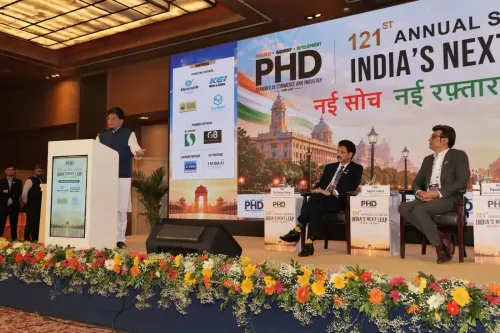
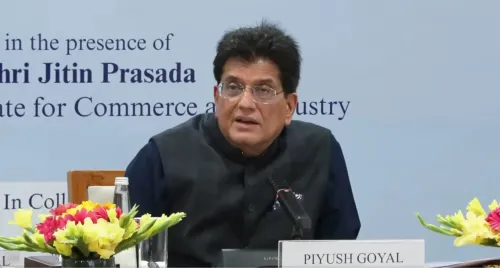
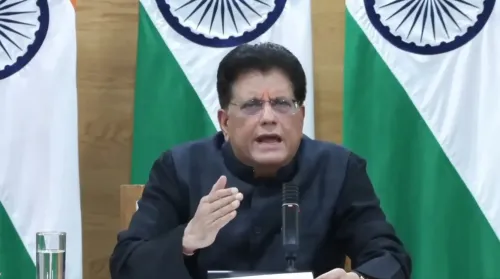
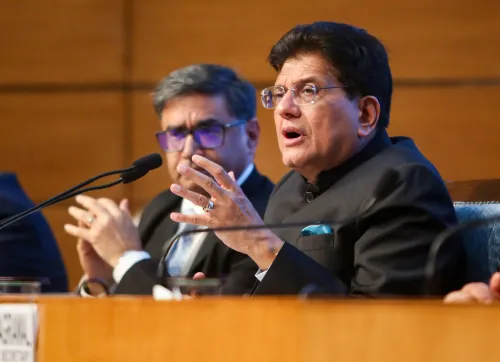
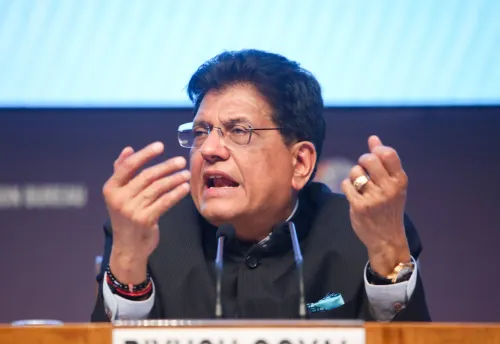
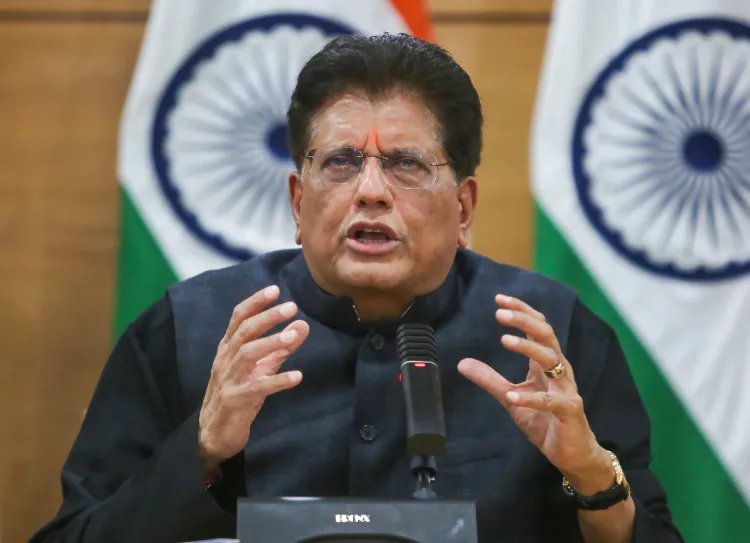
New Delhi, Feb 7 (NationPress) The recent trade agreement signifies a pivotal moment for India and the US, as it aims to enhance collaboration and boost economic ties, demonstrating a mutual commitment to sustainable development for both nations' populations and enterprises, stated Commerce and Industry Minister Piyush Goyal.
India has successfully established a framework for an Interim Agreement with the US.
“This pact will unveil a $30 trillion market for Indian exporters, particularly benefiting MSMEs, farmers, and fishermen. The anticipated rise in exports is expected to generate numerous job opportunities for our women and youth,” Goyal remarked.
Under this framework, the US will significantly reduce reciprocal tariffs on Indian products to 18 percent, creating substantial market opportunities in crucial sectors such as textiles, leather, plastic, organic chemicals, home decor, artisanal goods, and select machinery in the world's largest economy.
“Moreover, tariffs will be eliminated on a variety of items including generic pharmaceuticals, gems & diamonds, and aircraft parts, thus further bolstering India’s export competitiveness and the 'Make in India' initiative,” Goyal added.
India will also benefit from exemptions under section 232 concerning aircraft parts, a tariff rate quota on auto parts, and negotiated results for generic pharmaceuticals, leading to tangible gains in these sectors.
“Simultaneously, the Agreement underscores India’s dedication to protecting farmers’ interests and maintaining rural livelihoods by fully safeguarding sensitive agricultural and dairy products, including maize, wheat, rice, soya, poultry, milk, cheese, ethanol (fuel), tobacco, certain vegetables, and meat,” explained Goyal.
“This is a step towards realizing Viksit Bharat under PM Modi's leadership,” he added.
The framework also paves the way for the removal of tariffs on a broad spectrum of Indian goods, contingent on the successful conclusion of the Interim Agreement. This includes generic pharmaceuticals, gems and diamonds, and aircraft parts, areas where India has a strong global presence and high demand from the US.
Washington will also eliminate tariffs on specific Indian aircraft and their components, which were previously imposed under national security directives related to aluminum, steel, and copper imports.
India is set to gain a preferential tariff rate quota for automotive parts, currently subject to US national security tariffs on automobiles and their components.
Point of View
It's essential to recognize the significance of the trade agreement between India and the US. This pact not only aims to enhance economic cooperation but also reflects a commitment to sustainable growth, benefiting millions. It is crucial for our nation to leverage this opportunity while ensuring the protection of our farmers and local industries.
NationPress
14 Oct 2026
Frequently Asked Questions
What is the purpose of the Interim Agreement between India and the US?
The Interim Agreement aims to enhance economic cooperation between India and the US, opening up a market worth $30 trillion for Indian exporters.
How will this agreement benefit Indian exporters?
The agreement will reduce tariffs on various goods, creating significant export opportunities, especially for MSMEs, farmers, and fishermen.
What sectors are expected to benefit from the reduced tariffs?
Key sectors include textiles, leather, organic chemicals, and pharmaceuticals, among others.
What safeguards are included for Indian farmers?
The agreement protects sensitive agricultural and dairy products, ensuring the interests of farmers are maintained.
What is the significance of the $30 trillion market?
This market represents a monumental opportunity for growth and job creation within India, particularly in export-oriented sectors.