GSECL signs MoU with NPCIL for 4,000 MW nuclear plant at Dhuvaran
Synopsis
Gujarat's state power utility GSECL has signed an MoU with NPCIL to build a 4,000 MW nuclear plant at Dhuvaran — its first nuclear project ever — with a potential ₹1 lakh crore investment. The deal arrives as India races toward a 100 GW nuclear target by 2047 and Gujarat pushes to keep its grid stable alongside an ambitious 100 GW renewables goal by 2030.
Key Takeaways
GSECL and NPCIL signed an MoU on 1 October 2026 for a new nuclear power project at Dhuvaran, Gujarat .
The proposed plant will have a capacity of approximately 4,000 MW with a potential investment of nearly ₹1 lakh crore .
This is GSECL's first entry into the nuclear power sector.
NPCIL currently operates 24 reactors (8,780 MW) and has 7 more (6,100 MW) under construction nationally.
The project will operate under the SHANTI Act, 2025 , which allows wider public and private participation in nuclear energy.
The Centre has set a target of 100 GW of nuclear capacity by 2047 ; Gujarat aims for 100 GW of renewables by 2030 .
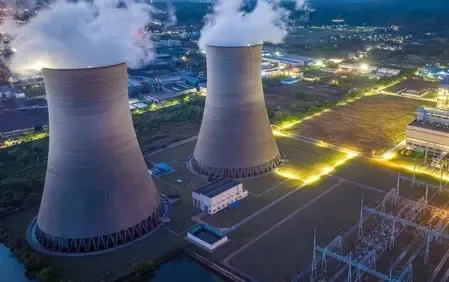
Gujarat State Electricity Corporation Limited (GSECL) on Thursday, 1 October 2026, signed a Memorandum of Understanding (MoU) with the Nuclear Power Corporation of India Limited (NPCIL) for the development of a new nuclear power project at Dhuvaran in Gujarat. The proposed facility is expected to generate approximately 4,000 MW of electricity and involve a potential investment of nearly ₹1 lakh crore, marking GSECL's first-ever foray into the nuclear energy sector.
Key Details of the Agreement
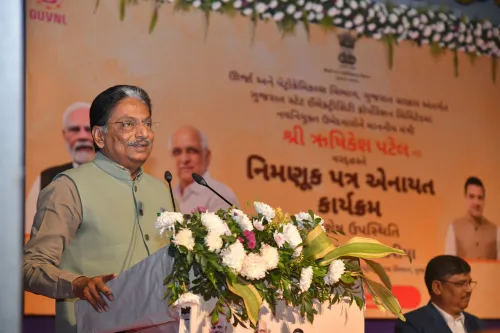
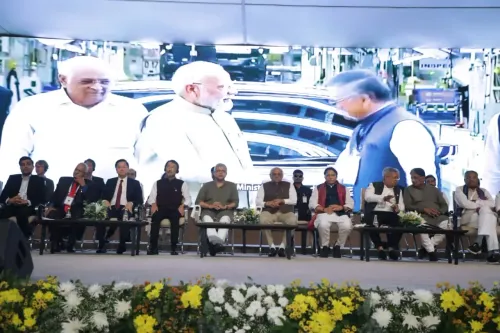
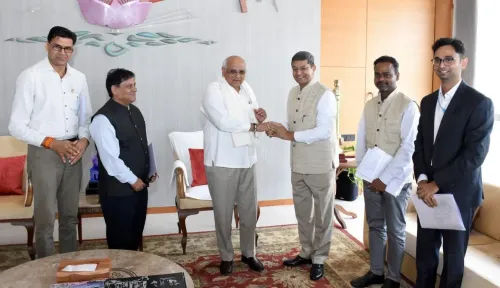
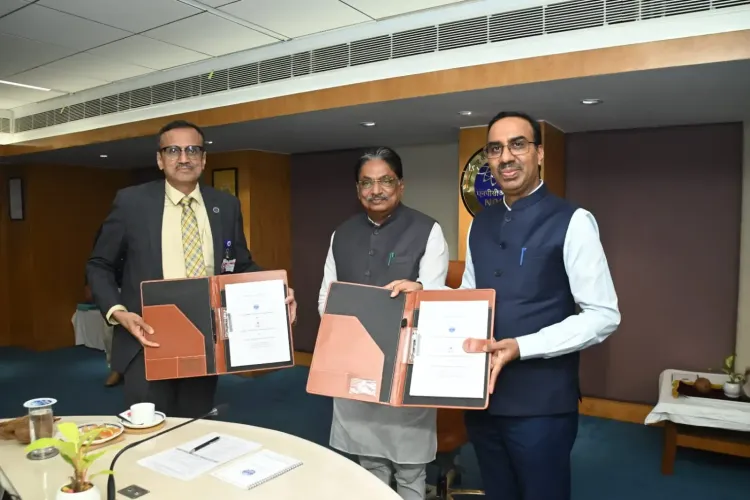
The MoU was signed in the presence of Gujarat Energy Minister Rushikesh Patel, the Principal Secretary of the Energy and Petrochemicals Department, GSECL Chairman Ashwini Kumar, and NPCIL Chairman and Managing Director V. Rajesh. Under the agreement, GSECL will assess land availability and supporting infrastructure at the proposed site, while NPCIL will undertake site surveys, technical studies, and provide expert guidance. Further development will be contingent on technical and economic feasibility findings and the receipt of mandatory statutory approvals.
Why Gujarat Is Pursuing Nuclear Power
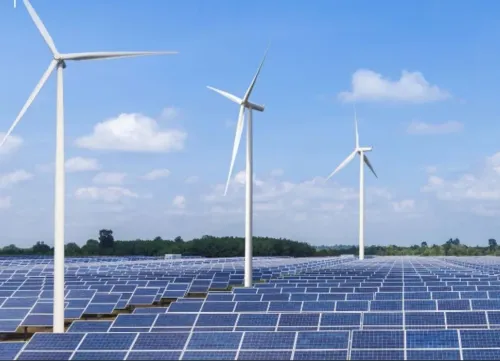
Gujarat has aggressively expanded its renewable energy portfolio, particularly in solar and wind power, and has set an ambitious target of more than 100 GW of renewable capacity by 2030. However, solar and wind generation are inherently intermittent, dependent on weather conditions, making a baseload source critical for grid stability. The state government has argued that nuclear power can complement renewables by supplying continuous, reliable, and low-carbon electricity — an argument that aligns with India's broader net-zero commitments.
National Nuclear Expansion Backdrop
The Dhuvaran project fits into a significantly larger national push. The Centre has announced a target of 100 GW of nuclear power capacity by 2047. NPCIL currently operates 24 commercial nuclear reactors with a combined installed capacity of 8,780 MW and has seven additional reactors under construction with a combined capacity of 6,100 MW. The Department of Atomic Energy has also been in active discussions with Gujarat on large nuclear projects, small modular reactors (SMRs), site identification, and technical studies, indicating that the Dhuvaran MoU is part of a sustained, multi-track engagement.
The SHANTI Act, 2025 Framework
The Gujarat government confirmed that the nuclear project will operate under the SHANTI Act, 2025 — a law that provides the legal framework for nuclear energy development in India and opens participation to both public and private entities under applicable licensing and safety regulations. This is a notable shift from the earlier restrictive regime, potentially enabling broader commercial investment in India's nuclear sector over the long term.
Economic and Environmental Impact
Beyond electricity generation, the state government projects that the Dhuvaran project could generate significant employment, support local industrial development, and contribute to reducing carbon emissions. The initiative is described as a key pillar of Gujarat's long-term energy transition strategy, complementing its growing renewable base with firm, dispatchable, low-carbon capacity. All findings from the feasibility studies and site surveys will determine the pace and scope of investment going forward.
Point of View
But the distance between an MoU and a commissioned reactor in India has historically been vast — site surveys, statutory approvals, and feasibility studies can stretch for years. Gujarat's logic is sound: intermittent renewables need firm baseload, and nuclear is the only low-carbon option that delivers it at scale. The real question is whether the SHANTI Act, 2025 framework will actually accelerate project timelines, or whether regulatory bottlenecks and land acquisition challenges — which have stalled nuclear projects elsewhere in India — will repeat themselves at Dhuvaran. India's current nuclear capacity of 8,780 MW is a fraction of what is needed to hit 100 GW by 2047, making execution speed, not policy intent, the defining variable.
NationPress
2 Oct 2026
Frequently Asked Questions
What is the GSECL-NPCIL MoU about?
It is an agreement signed on 1 October 2026 for the development of a new nuclear power project at Dhuvaran in Gujarat, with a proposed capacity of around 4,000 MW and a potential investment of nearly ₹1 lakh crore. This marks GSECL's first entry into the nuclear energy sector.
Where will the new nuclear plant be located?
The proposed nuclear power project is planned at Dhuvaran in Gujarat. GSECL will assess land availability and infrastructure at the site, while NPCIL will conduct site surveys and technical studies.
Why is Gujarat investing in nuclear power?
Gujarat is pursuing nuclear power to complement its growing but intermittent renewable energy base — solar and wind depend on weather conditions. Nuclear provides continuous, reliable, low-carbon electricity essential for grid stability, supporting both the state's 100 GW renewable target by 2030 and India's net-zero goals.
What is the SHANTI Act, 2025 and how does it apply?
The SHANTI Act, 2025 is a law that provides the legal framework for nuclear energy development in India and allows broader participation by public and private entities under applicable licensing and safety regulations. The Dhuvaran project will operate under this framework.
How does this fit into India's broader nuclear energy plans?
The Centre has announced a target of 100 GW of nuclear power capacity by 2047. NPCIL currently operates 24 reactors with 8,780 MW of installed capacity and has 7 more reactors under construction adding 6,100 MW. The Dhuvaran project is part of this national nuclear expansion drive.