ICMR hits 100 technology transfer deals, launches health research initiatives at 115-year summit
Synopsis
ICMR has crossed 100 technology transfer deals in less than two years — a pace unprecedented in India's public health research history. With 20 new licensing agreements signed at its 115th anniversary summit, plus a new outbreak early-warning network and an AMR report, the organisation is signalling a deliberate shift from research output to real-world impact.
Key Takeaways
ICMR achieved 100 cumulative technology transfer deals in under two years under the Medical Innovations Patent Mitra initiative.
At the summit, 20 new licensing agreements covering eight technologies were signed with nine Indian companies on 18 November 2026 .
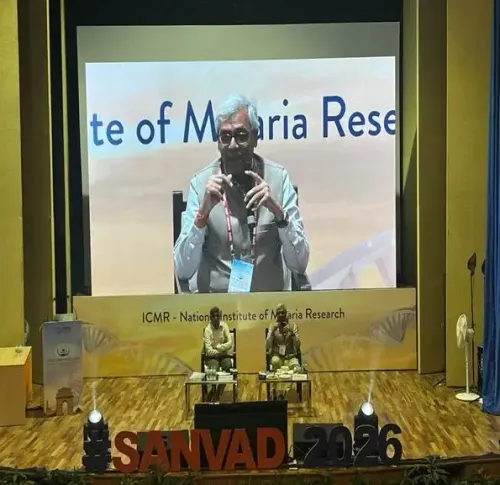
The third DHR-ICMR Health Research Excellence Summit marked 115 years of ICMR's contribution and drew over 600 participants.
Syndromic Surveillance will create an early-warning outbreak network across 70 VRDLs and IRDLs .
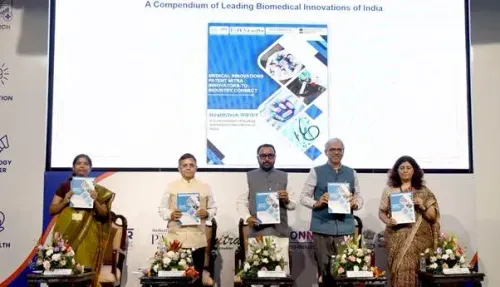
The ICMR AMR Annual Report and ICMR Compendium (featuring 25 research-to-outcome stories) were released at the event.
Top 100 school students from the SHINE initiative were recognised for public health scientific thinking.
The Indian Council of Medical Research (ICMR) has crossed a landmark 100 successful technology transfer deals in under two years, the organisation announced on Wednesday, 18 November 2026, at the third Department of Health Research (DHR)-ICMR Health Research Excellence Summit in New Delhi. The milestone underscores a significant acceleration in the commercialisation of domestically developed health research and medical innovation.
Key Milestone at the Summit
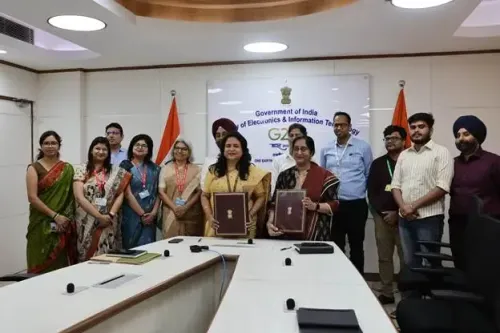
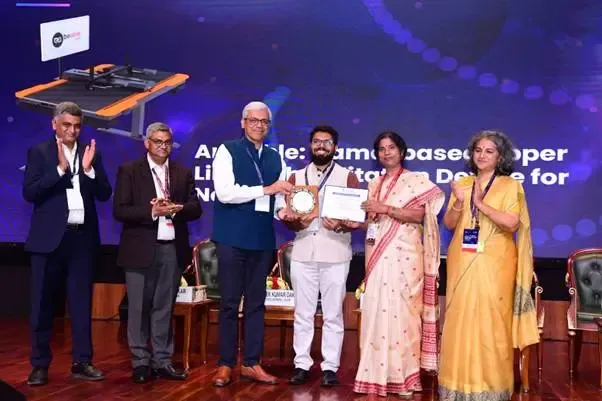
At the summit, ICMR formalised 20 new licensing agreements covering eight technologies with nine Indian companies, pushing the cumulative tally to 100 deals under the Medical Innovations Patent Mitra initiative — achieved in less than two years. The summit also marked 115 years of ICMR's contribution to biomedical and health research in India, drawing over 600 scientists, researchers, innovators, administrators and policymakers from ICMR institutes, partner institutions, government organisations and academia.
Innovations and Technologies on Display
An Innovation Exhibition at the two-day event showcased 17 technologies developed by ICMR institutes and extramural partner institutions. A dedicated session highlighted 10 technologies and eight patents, reflecting the breadth of ongoing research across biomedical disciplines. The summit also facilitated collaboration among researchers, industry stakeholders and policymakers — a structural objective that ICMR has increasingly emphasised as it moves from pure research to applied outcomes.
New Initiatives Launched
Several new initiatives were unveiled at the summit. Syndromic Surveillance under the DHR Virus Research and Diagnostic Laboratories (VRDL) Scheme will establish an early-warning network for disease outbreaks across 70 VRDLs and Infectious Disease Research and Diagnostic Laboratories (IRDLs), strengthening India's public health preparedness infrastructure. The Dr M K Bhan Young Medical Faculty PhD Portal was also launched as a centralised digital platform providing information for prospective applicants, according to the Ministry of Health and Family Welfare.
ICMR released the Antimicrobial Resistance (AMR) Annual Report along with Standard Operating Procedures, consolidating the national evidence base on antimicrobial resistance and standardised laboratory protocols. The ICMR Compendium, featuring 25 stories of research translated into real-world outcomes, was also released at the event. This comes amid growing global concern over drug-resistant infections, where India carries a disproportionate burden of AMR-related morbidity.
Recognising the Next Generation
The summit also honoured the top 100 school students selected through the SHINE National Competition — an acronym for Science and Health Innovation for the NextGen Explorers. The nationwide ICMR initiative targets students in Grades 9 to 12 from government, government-aided and private schools across the country, aiming to cultivate scientific thinking in public health from an early age.
What This Signals for India's Health Research Ecosystem
The 100-deal landmark is notably significant not just for the number, but for the speed — achieved within less than two years of the Medical Innovations Patent Mitra initiative. Historically, translating publicly funded research into industry-ready products has been a persistent bottleneck in India's health innovation pipeline. The clustering of licensing agreements with domestic companies also suggests a deliberate push toward indigenisation, aligning with broader national priorities. With syndromic surveillance expansion and AMR reporting now formalised, the next phase will test whether these frameworks translate into measurable improvements in outbreak response and drug-resistance management.
Point of View
An institution long criticised for producing research that rarely reached the clinic or the market. The Medical Innovations Patent Mitra initiative appears to have meaningfully changed that pipeline dynamic. What remains to be tested is quality over quantity — whether these licensed technologies achieve market adoption and measurable health impact, or whether the milestone is primarily administrative. The AMR report and syndromic surveillance expansion are the more consequential long-term signals: India's AMR burden is severe, and its outbreak detection infrastructure has historically lagged its disease load.
NationPress
18 Nov 2026
Frequently Asked Questions
What is the ICMR 100 technology transfer milestone?
ICMR has completed 100 successful technology transfer deals under its Medical Innovations Patent Mitra initiative in less than two years, announcing the milestone on 18 November 2026 at the DHR-ICMR Health Research Excellence Summit in New Delhi. The latest batch included 20 licensing agreements covering eight technologies with nine Indian companies.
What is the Medical Innovations Patent Mitra initiative?
Medical Innovations Patent Mitra is an ICMR initiative focused on commercialising indigenously developed health research by facilitating technology licensing deals between ICMR institutes and Indian industry partners. It reached the 100-deal mark in under two years, a pace considered significant for a public research institution.
What is the Syndromic Surveillance network launched at the ICMR summit?
The Syndromic Surveillance network, under the DHR Virus Research and Diagnostic Laboratories (VRDL) Scheme, will create an early-warning system for disease outbreaks across 70 VRDLs and Infectious Disease Research and Diagnostic Laboratories (IRDLs) across India. It is designed to improve the country's preparedness and response to emerging infectious disease threats.
What is the SHINE initiative by ICMR?
SHINE — Science and Health Innovation for the NextGen Explorers — is a nationwide ICMR programme for students in Grades 9 to 12 from government, government-aided and private schools across India. It aims to build scientific thinking in public health from an early age; the top 100 students from the SHINE National Competition were recognised at the 2026 summit.
Why is the ICMR AMR Annual Report significant?
The Antimicrobial Resistance (AMR) Annual Report consolidates India's national evidence base on drug-resistant infections along with standardised laboratory procedures. India carries one of the world's highest AMR burdens, making a unified national data framework critical for guiding clinical guidelines, policy interventions and future research priorities.