ICMR high-altitude research centre in Himachal Pradesh: Nadda to lay foundation stone on July 11
Synopsis
India is getting its first dedicated high-altitude medicine research hub — and it's going up in one of the country's most remote border districts. The ICMR centre at Keylong in Lahaul and Spiti will combine mountain medicine, climate-health research, and drone-enabled healthcare delivery, with direct ties to DRDO and the Armed Forces, signalling that this is as much a strategic facility as a scientific one.
Key Takeaways
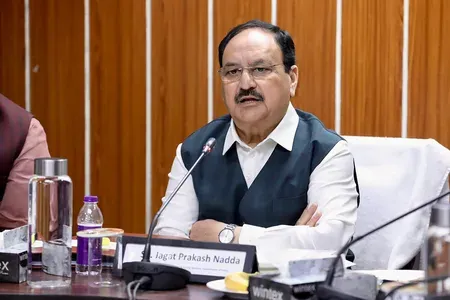
Jagat Prakash Nadda will lay the foundation stone of the ICMR Centre for High Altitude Medicine and Public Health Research at Keylong on 11 July 2026 .
The centre is located in Lahaul and Spiti district , Himachal Pradesh , upgrading an existing ICMR field station.
Research mandate covers high-altitude physiology , mountain medicine , climate-sensitive diseases , maternal and child health , mental health , and disaster medicine .
The facility will deploy telemedicine , drone-enabled logistics , and real-time surveillance for remote healthcare delivery.
Institutional partners include AFMS , DRDO , the Himachal Pradesh Government , and international academic institutions.
The centre will support national priorities in tribal health , disaster preparedness , and digital health innovation .
Union Minister of Health and Family Welfare Jagat Prakash Nadda will lay the foundation stone of the ICMR Centre for High Altitude Medicine and Public Health Research at Keylong in Lahaul and Spiti district, Himachal Pradesh, on 11 July 2026, according to an official statement issued on Thursday. The facility will transform the Indian Council of Medical Research (ICMR)'s existing field station at Keylong into a full-fledged, multidisciplinary hub for research, innovation, and capacity building focused on India's high-altitude and climate-sensitive regions.
What the Centre Will Research
The Keylong centre will generate context-specific scientific evidence across a wide mandate that includes high-altitude physiology and acclimatisation, mountain medicine, climate-sensitive and emerging diseases, infectious and non-communicable diseases, maternal and child health, nutrition, mental health, environmental and occupational health, and disaster medicine. The Himalayan ecosystem's unique challenges — extreme climatic conditions, difficult terrain, and rising climate variability — directly shape disease patterns and healthcare access in the region, making localised research critical.
Digital Health and Remote Delivery
Beyond laboratory research, the centre will integrate digital health platforms, telemedicine, drone-enabled healthcare logistics, and real-time public health surveillance to improve medical delivery in hard-to-reach areas. Its year-round access to high-altitude and tribal populations in a strategically important border region will enable long-term cohort studies and field research on environmental determinants of health.
Institutional Partnerships
The centre is being established under the Department of Health Research, Ministry of Health and Family Welfare. It will build collaborations with the Armed Forces Medical Services (AFMS), the Defence Research and Development Organisation (DRDO), the Himachal Pradesh Government, and academic and research institutions both within India and abroad. This ecosystem is designed to support translational research and policy development, according to the ministry's statement.
National and Global Significance
The centre is positioned to support national priorities in tribal health, disaster preparedness, and digital health innovation, while also contributing to global research on high-altitude medicine. Notably, this is among the first dedicated ICMR facilities to address the intersection of climate change and public health in India's mountain regions — a gap that researchers and policymakers have flagged with increasing urgency as Himalayan climate variability accelerates.
Point of View
But its partnerships with DRDO and the Armed Forces Medical Services tell a fuller story: this is infrastructure for India's high-altitude strategic frontier, not just its public health gaps. The integration of drone logistics and real-time surveillance is equally telling — these are dual-use capabilities in a border region. What will matter most is whether the centre produces research that actually reaches the tribal and mountain communities it is designed to serve, or whether it becomes another well-equipped institution whose outputs stay within academic journals.
NationPress
8 Oct 2026
Frequently Asked Questions
What is the ICMR Centre for High Altitude Medicine and Public Health Research?
It is a multidisciplinary research facility being established by the Indian Council of Medical Research (ICMR) at Keylong in Lahaul and Spiti district, Himachal Pradesh. The centre will upgrade an existing ICMR field station to focus on high-altitude physiology, mountain medicine, climate-sensitive diseases, and digital health innovation.
When will the foundation stone of the ICMR Keylong centre be laid?
Health Minister Jagat Prakash Nadda is scheduled to lay the foundation stone on 11 July 2026. The announcement was made through an official ministry statement on Thursday, 9 July 2026.
What research areas will the Keylong centre focus on?
The centre's mandate spans high-altitude physiology and acclimatisation, mountain medicine, climate-sensitive and emerging diseases, infectious and non-communicable diseases, maternal and child health, nutrition, mental health, environmental and occupational health, and disaster medicine.
How will the centre improve healthcare delivery in remote areas?
The facility will integrate digital health platforms, telemedicine services, drone-enabled healthcare logistics, and real-time public health surveillance to reach hard-to-access high-altitude and tribal populations in the region.
Which organisations will partner with the ICMR Keylong centre?
The centre will collaborate with the Armed Forces Medical Services (AFMS), the Defence Research and Development Organisation (DRDO), the Himachal Pradesh Government, and academic and research institutions in India and abroad to support translational research and policy development.