India auto sector demand resilient in June 2026, two-wheelers lead growth
Synopsis
India's auto sector shrugged off fuel price worries, inflation, and monsoon uncertainty to post resilient June demand — with two-wheelers up 22% and passenger vehicles up 25% in Q1 FY27. The brokerage's FY27 outlook stays constructive, but OEM price hikes and monsoon risks could test the momentum in H2.
Key Takeaways
India's auto sector demand remained resilient in June 2026 despite macro, geopolitical, and inflationary headwinds.
Domestic two-wheeler sales grew 22 per cent YoY to 33.6 lakh units in April–June 2026 .
Passenger vehicle domestic sales rose approximately 25 per cent to 12.7 lakh units in the same period.
Commercial vehicle retail growth was subdued, but wholesale growth was very strong across OEMs in June.
Domestic PV volumes are forecast to grow at a mid-single-digit pace in FY27 , supported by EV adoption and new model launches.
Tractor demand is expected to stay supported in H1 FY27 ; monsoon progression is the key risk for H2.
India's auto sector sustained resilient demand in June 2026, with personal mobility segments continuing to outperform broader market trends, according to a report by Asit C Mehta Investment Intermediates. The brokerage cited easing supply-side bottlenecks at several original equipment manufacturers (OEMs), healthy retail demand, and sustained export momentum as the key drivers of volume growth during the month.
Two-Wheelers and Passenger Vehicles Lead the Charge
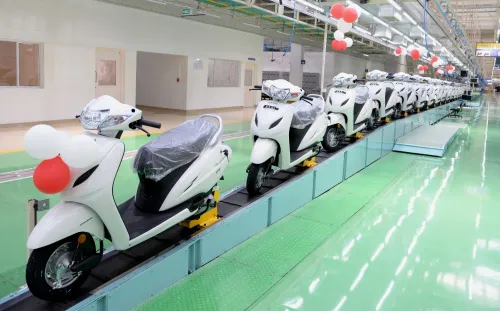
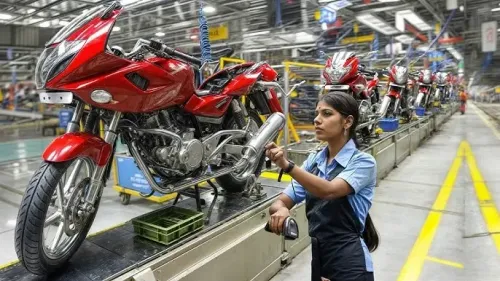
Cumulative domestic two-wheeler sales surged 22 per cent year-on-year to 33.6 lakh units in the April–June 2026 quarter, while passenger vehicle (PV) domestic sales rose approximately 25 per cent to 12.7 lakh units over the same period. Two-wheeler year-on-year retail growth accelerated across all players in June, compared to the slightly slower traction recorded in May 2026, though wholesale growth was mixed across OEMs.
Three-wheelers also continued their broad-based outperformance, with listed OEMs growing ahead of overall industry trends for another consecutive month.
What the Brokerage Said
'June 2026 remained another healthy month for the domestic auto industry, with demand holding up well across all segments despite macro and geopolitical risks and price hikes,' the brokerage noted. It added that retail demand was underpinned by healthy consumer sentiment, while exports maintained strong momentum across most OEMs. 'Overall, demand remained resilient despite concerns around fuel prices, inflationary pressures and monsoon uncertainty,' the report stated.
Commercial Vehicles and Tractors: A Mixed Picture
For commercial vehicles, retail traction did not register high growth in June, but wholesale growth was described as very strong across OEMs. Improving infrastructure activity, replacement demand, and export recovery were flagged as the major positives for the segment. Tractor demand is expected to remain supported through H1 FY27 on a favourable base, with monsoon progression and weather risks identified as the critical variables for the second half of the fiscal year.
Outlook for FY27
Domestic PV sales industry volumes are forecast to grow at a mid-single-digit pace in FY27, according to the report. Growth is expected to be supported by improving consumer affordability, rising EV adoption, and new model launches. These tailwinds will be partly offset by price hikes undertaken by OEMs to absorb the impact of volatile raw material costs amid broader macroeconomic uncertainties. Export momentum for two- and three-wheelers is also expected to remain supportive through the year.
Point of View
But the nuance lies in the wholesale-retail divergence for commercial vehicles — robust wholesale without matching retail often signals channel inventory build rather than genuine end-user pull. The two-wheeler surge is real and broad-based, yet it is partly a low-base story; sustaining 22 per cent growth as the base normalises through FY27 will be the harder test. The monsoon variable for tractors is also underplayed: a patchy or delayed monsoon in H2 could quickly reverse rural sentiment, which is currently the backbone of personal mobility demand. OEM price hikes, flagged as an offset, deserve closer scrutiny — if passed through aggressively, they could erode the affordability tailwind that the brokerage is counting on for PV mid-single-digit growth.
NationPress
3 Oct 2026
Frequently Asked Questions
How did India's auto sector perform in June 2026?
India's auto sector demand remained resilient in June 2026, with personal mobility segments outperforming. Retail demand was supported by healthy consumer sentiment, easing supply bottlenecks, and strong export momentum across most OEMs.
How much did two-wheeler sales grow in Q1 FY27?
Cumulative domestic two-wheeler sales grew 22 per cent year-on-year to 33.6 lakh units in April–June 2026. Year-on-year retail growth accelerated across all players in June compared to May 2026.
What is the outlook for passenger vehicle sales in FY27?
Domestic passenger vehicle sales volumes are forecast to grow at a mid-single-digit pace in FY27. Growth drivers include improving consumer affordability, rising EV adoption, and new model launches, partially offset by OEM price hikes.
How did commercial vehicles and tractors perform?
Commercial vehicle retail traction was modest in June, but wholesale growth was very strong across OEMs, aided by infrastructure activity and replacement demand. Tractor demand is expected to stay supported in H1 FY27, with monsoon progression being the key risk for H2.
What risks could affect India's auto demand going forward?
Key risks include fuel price volatility, inflationary pressures, monsoon uncertainty for the tractor and rural two-wheeler segments, and OEM price hikes taken to offset volatile raw material costs amid macroeconomic uncertainties.