India-Belgium diamond trade ties key to global value chain: Commerce Secretary Agrawal
Synopsis
Commerce Secretary Rajesh Agrawal's Brussels visit laid bare just how interlocked India and Belgium are in the global diamond pipeline — India cuts and polishes, Belgium trades and brokers. With demand softening in China and the US, and lab-grown diamonds disrupting the market, the two countries are quietly recalibrating a partnership that underpins much of the world's gem trade.
Key Takeaways
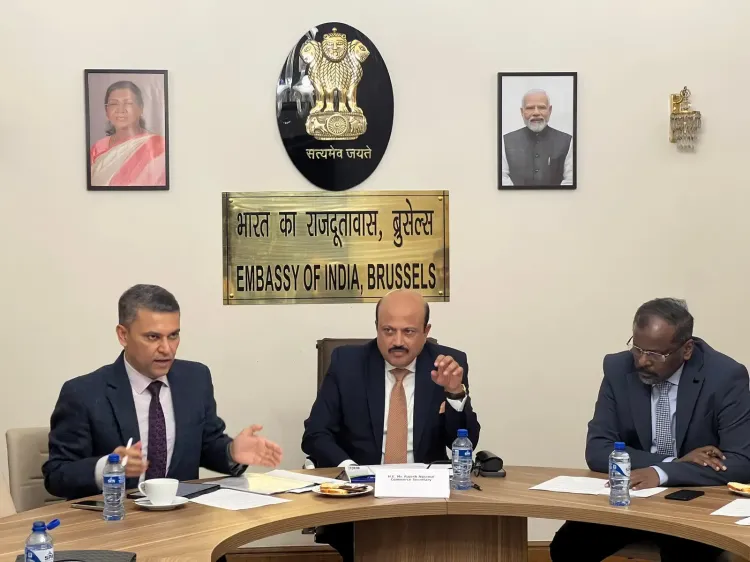
Commerce Secretary Rajesh Agrawal met diamond industry representatives at the Embassy of India, Brussels on 30 October 2026 .
India plays a central role in global diamond cutting and polishing ; Belgium serves as a key international trading hub for precious stones.
The 19th session of the India-BLEU Joint Economic Commission was held in Luxembourg the same week, covering sectors from aerospace to FinTech.
India, Belgium, and Luxembourg agreed to deepen cooperation in aerospace, research, innovation, and higher education .
The diamond market is navigating headwinds including softening demand from China and the US , and growing competition from lab-grown diamonds .
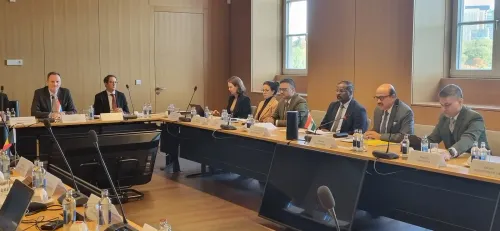
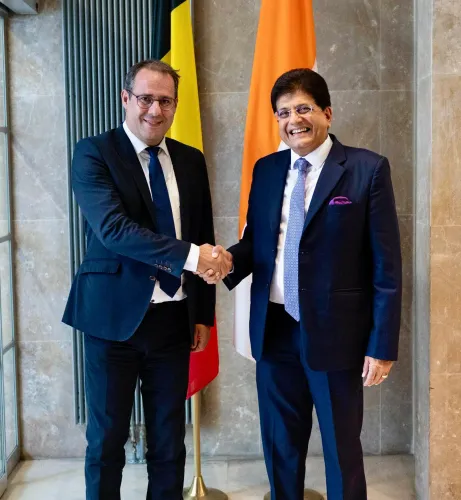
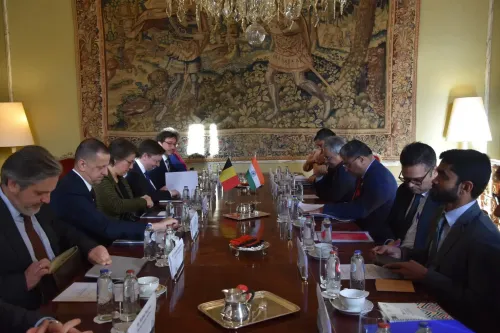
Commerce Secretary Rajesh Agrawal on 30 October 2026 met representatives of the diamond industry at the Embassy of India in Brussels, reaffirming that India and Belgium share deep-rooted, complementary roles in the global diamond value chain. The informal interaction, confirmed by the Department of Commerce, centred on evolving market trends, trade opportunities, and the long-term outlook for international diamond commerce.
Key Themes of the Brussels Interaction
During the meeting, Agrawal reviewed the current state of the global diamond market with industry stakeholders and sought direct feedback on the opportunities and challenges facing the trade. The discussion spanned emerging demand patterns, business prospects, and developments in key consuming markets.
The Commerce Secretary underscored India's pivotal role in diamond cutting and polishing — a segment in which the country processes the overwhelming majority of the world's rough diamonds — while acknowledging Belgium's continued importance as a global trading and distribution hub for precious stones. According to the Department of Commerce, Agrawal 'exchanged views with industry members on global diamond trade, emerging market trends, and highlighted the long-standing India-Belgium linkages in the diamond value chain.'
Broader India-Belgium-Luxembourg Economic Ties
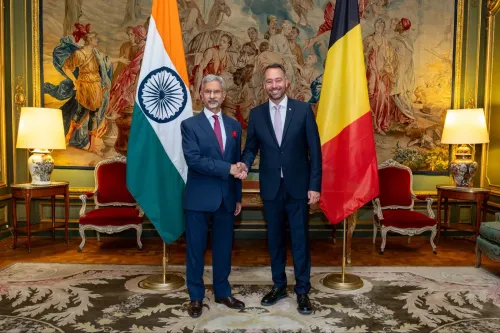
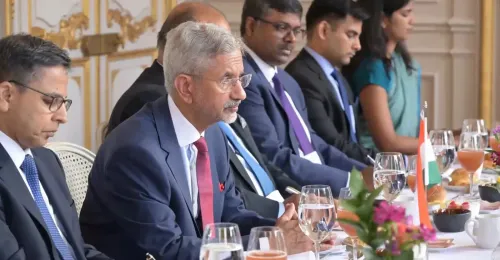
The Brussels interaction came alongside a wider diplomatic and economic engagement. Earlier in the same week, the 19th session of the India-Belgium-Luxembourg Economic Union (BLEU) Joint Economic Commission (JEC) was held in Luxembourg. The session brought together officials from all three sides to review bilateral trade and investment relations and chart a course for deeper cooperation.
Discussions at the JEC covered a broad spectrum of priority sectors: logistics (including air connectivity and ports), renewable energy and clean technology, financial services and FinTech, digital transformation and ICT, healthcare and life sciences, Ayurveda and traditional medicine, and the agro and food processing industry. The three nations also agreed to strengthen cooperation in aerospace, research, innovation, and higher education, signalling an intent to move beyond traditional trade into knowledge-intensive sectors.
Why the India-Belgium Diamond Link Matters
India and Belgium have historically anchored opposite ends of the diamond pipeline. Surat in Gujarat processes an estimated 90% of the world's rough diamonds by volume, making India indispensable to the global supply chain. Antwerp, Belgium's diamond capital, has for centuries served as the world's foremost trading and brokerage hub, with the Antwerp World Diamond Centre facilitating a substantial share of global rough and polished stone transactions.
This complementarity means that shifts in either country's regulatory environment, labour economics, or trade policy carry outsized consequences for the global gem trade. The Commerce Secretary's outreach comes at a particularly sensitive juncture: the international diamond market has been navigating softening demand from China and the United States, rising competition from lab-grown diamonds, and post-pandemic inventory adjustments across the supply chain.
What to Watch Next
The engagement in Brussels and Luxembourg is expected to feed into formal trade negotiation channels, including the ongoing India-European Union Free Trade Agreement discussions, where gems and jewellery remain a sensitive sector. Industry stakeholders will be watching whether the diplomatic momentum translates into concrete measures — such as eased certification norms, enhanced customs cooperation, or bilateral investment protections — that can shore up the natural diamond trade against structural headwinds.
Point of View
Particularly Surat, are feeling that squeeze acutely. What is missing from these diplomatic interactions is any signal of a coordinated response: a joint India-Belgium framework to differentiate natural diamonds, stabilise rough pricing, or negotiate preferential terms in the India-EU FTA. Warm bilateral language is not a trade strategy. The Commerce Secretary's engagement is a necessary first step, but without actionable outcomes, the industry risks talking while the market moves on.
NationPress
1 Nov 2026
Frequently Asked Questions
What did Commerce Secretary Rajesh Agrawal discuss with Belgium's diamond industry?
Agrawal met diamond industry representatives at the Embassy of India in Brussels on 30 October 2026 to discuss global diamond trade trends, business prospects, and the long-standing partnership between India and Belgium in the diamond value chain. He sought feedback on opportunities and challenges currently facing the trade.
What is India's role in the global diamond industry?
India is the world's dominant centre for diamond cutting and polishing, processing an estimated 90% of rough diamonds by volume, largely through the industry hub of Surat in Gujarat. This makes India an indispensable part of the global diamond supply chain, with Belgium's Antwerp serving as the primary trading and brokerage counterpart.
What was decided at the India-Belgium-Luxembourg Joint Economic Commission session?
The 19th session of the India-BLEU Joint Economic Commission, held in Luxembourg, resulted in an agreement to strengthen economic ties and explore deeper cooperation in aerospace, research, innovation, and higher education, in addition to reviewing bilateral trade and investment relations across sectors such as logistics, renewable energy, FinTech, and healthcare.
Why is the India-Belgium diamond partnership under pressure?
The partnership faces headwinds from softening diamond demand in key markets like China and the United States, rising competition from lab-grown diamonds, and post-pandemic inventory adjustments across the supply chain. These trends are prompting both sides to reassess trade strategies and explore ways to support the natural diamond market.
How does this engagement connect to broader India-EU trade talks?
The diplomatic activity in Brussels and Luxembourg is expected to inform the ongoing India-European Union Free Trade Agreement negotiations, in which gems and jewellery remain a sensitive sector. Outcomes could include eased certification norms, enhanced customs cooperation, or bilateral investment protections for the diamond trade.