Bioenergy, green hydrogen top India's energy agenda amid West Asia tensions
Synopsis
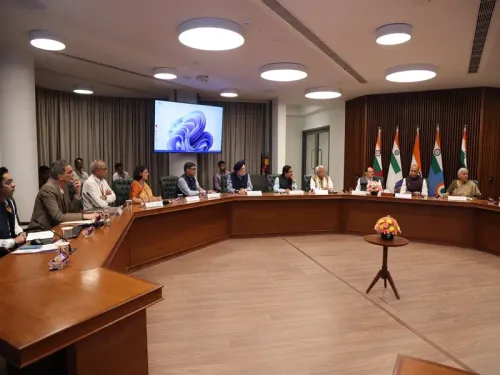
to minimise the impact of the ongoing geopolitical developments. Singh chaired the fifth meeting of the Informal Empowered Group of Ministers on Monday to review risks to energy supply chains and assess domestic availability of essential commodities in light of the conflict in West Asia.
India's Energy Security Push
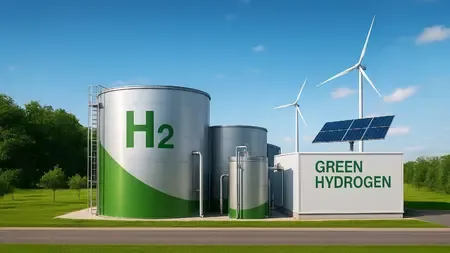
The Centre's focus on bioenergy and green hydrogen reflects a longer-term structural shift in India's energy policy. Both sectors have featured prominently in the government's net-zero commitments and its push to reduce dependence on imported fossil fuels. With crude oil prices sensitive to any escalation in the Strait of Hormuz corridor, the urgency to accelerate domestic energy alternatives has intensified.
What Comes Next
The Informal Empowered Group of Ministers is expected to continue monitoring energy supply chain risks. Industry observers will watch whether the government follows up its citizen appeals with formal policy measures — including fiscal incentives for bioenergy and green hydrogen deployment — in the weeks ahead.
Key Takeaways
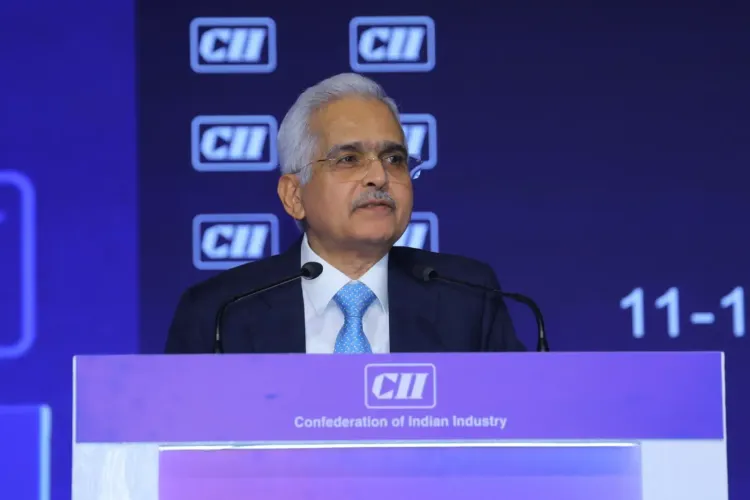
Shaktikanta Das said bioenergy and green hydrogen are top Centre priorities at the CII Annual Business Summit 2026 on 11 May 2026 .
Das flagged that US-Iran tensions and supply disruptions will continue imposing high costs on global economies.
PM Modi appealed to citizens to work from home, avoid non-essential gold purchases, and refrain from foreign travel for a year.
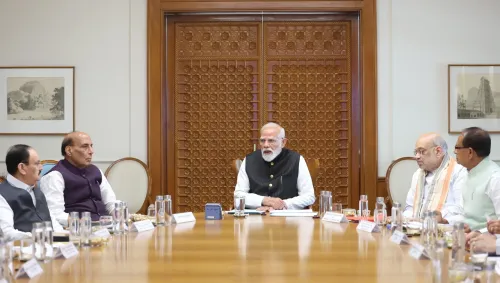
Defence Minister Rajnath Singh chaired the fifth meeting of the Informal Empowered Group of Ministers to review energy supply chain risks.
India's push on bioenergy and green hydrogen is part of a broader strategy to reduce dependence on imported fossil fuels amid volatile global energy markets.
Prime Minister Narendra Modi's Principal Secretary and former Reserve Bank of India (RBI) Governor Shaktikanta Das on Monday, 11 May said bioenergy and green hydrogen would remain among the Centre's top priorities as India moves to strengthen energy security and economic resilience amid escalating geopolitical tensions in West Asia.
Das made the remarks at the CII Annual Business Summit 2026 in Mumbai, where he underscored that India's resilience continues to be anchored in macroeconomic stability, with the government's fiscal position and the banking system remaining stable despite global uncertainties.
Key Remarks by Shaktikanta Das
Point of View
Not just a climate commitment. The citizen appeals from PM Modi — avoiding gold, foreign travel, and imported goods — echo wartime conservation messaging and suggest the government views the West Asia situation as a sustained, not transient, shock. The real test is whether bioenergy and green hydrogen remain priorities when global tensions ease and the political cost of reform rises. India has a long history of announcing energy transition targets that stall once the immediate pressure subsides.
NationPress
24 Sept 2026
Frequently Asked Questions
What did Shaktikanta Das say at the CII Annual Business Summit 2026?
Shaktikanta Das said bioenergy and green hydrogen would remain top Centre priorities as India focuses on energy security amid rising geopolitical tensions. He also noted that India's macroeconomic fundamentals — fiscal position and banking system — remain stable despite global uncertainties.
Why is India prioritising bioenergy and green hydrogen now?
Escalating tensions between the US and Iran are disrupting global energy supply chains, raising the cost of fossil fuel imports for India. Bioenergy and green hydrogen offer domestic alternatives that can reduce India's dependence on imported crude oil and improve energy security.
What measures did PM Modi appeal to citizens to adopt?
PM Modi urged citizens to work from home wherever possible, avoid non-essential gold purchases, refrain from foreign travel for a year, and reduce the use of cooking oil, foreign-made products, and chemical fertilisers. The measures are aimed at conserving foreign exchange reserves and easing pressure on fuel imports.
What is the Informal Empowered Group of Ministers?
It is a government body chaired by Defence Minister Rajnath Singh, convened to review risks to energy supply chains and assess domestic availability of essential commodities amid the conflict in West Asia. Monday's session was its fifth meeting on the matter.
How does India's energy security strategy connect to the West Asia conflict?
India imports a significant share of its crude oil from West Asia, making it vulnerable to supply disruptions from regional conflicts. The government's focus on bioenergy, green hydrogen, and citizen conservation appeals reflects a coordinated response to reduce this vulnerability over both the short and long term.