India-EU energy talks: Naik reviews power sector cooperation with ITRE delegation
Synopsis
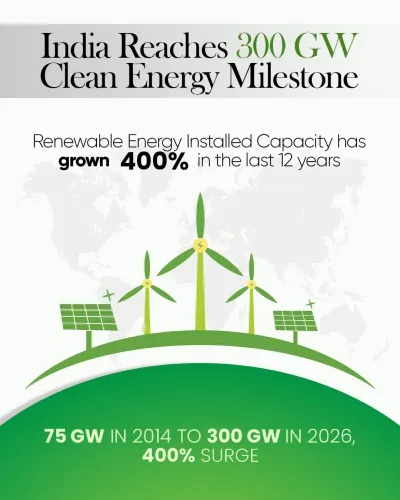
India's renewable capacity has quadrupled since 2014 to 288.58 GW, and New Delhi is now pushing that momentum into deeper EU collaboration — from Small Modular Reactors to carbon markets. The CBAM discussion signals this isn't just a clean-energy dialogue; it's also about reshaping the trade relationship between two of the world's largest economies.
Key Takeaways
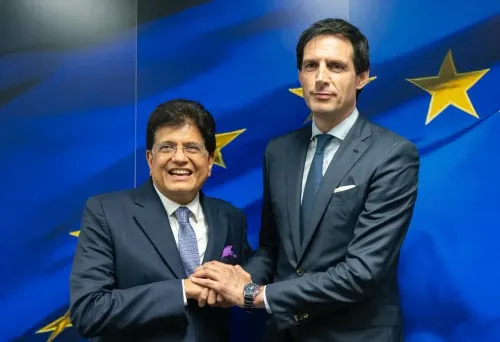
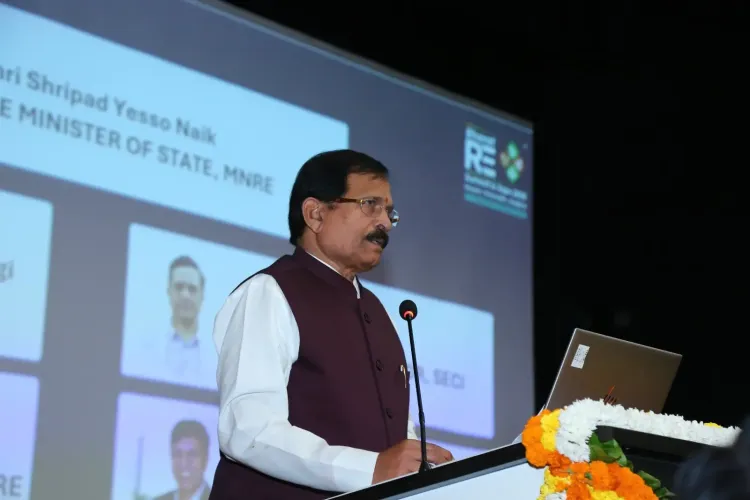
Minister of State Shripad Naik met the EU Parliament's ITRE delegation in New Delhi on 24 September 2026 .
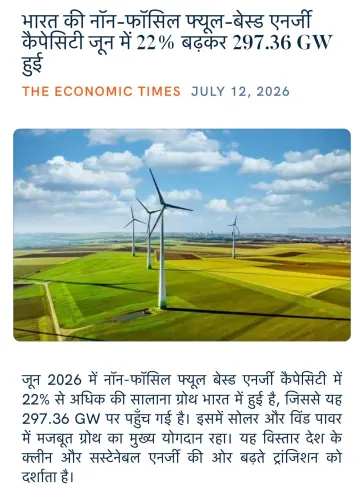
India's installed renewable energy capacity has grown from 76.38 GW in 2014 to 288.58 GW as of 30 June 2026 — nearly a fourfold increase.
India has met its NDC commitments on non-fossil fuel capacity ahead of schedule.
New areas of cooperation flagged include long-duration energy storage , Small Modular Reactors (SMRs) , green hydrogen , and carbon capture .
Both sides discussed the Carbon Border Adjustment Mechanism (CBAM) and evolving global carbon-pricing frameworks.
The talks build on broader India-EU Free Trade Agreement momentum.
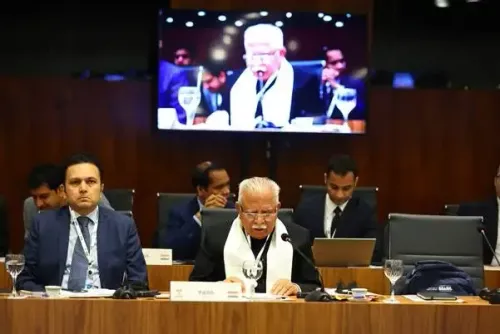
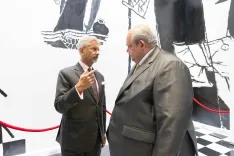
Minister of State for Power and Renewable Energy Shripad Naik on Thursday, 24 September 2026, held a bilateral meeting in New Delhi with a delegation from the European Parliament's Committee on Industry, Research and Energy (ITRE), reviewing ongoing cooperation and charting deeper collaboration between India and the European Union (EU) in the power sector. The meeting reaffirmed energy cooperation as a cornerstone of the India-EU strategic partnership.
India's Energy Transformation on Display
Naik highlighted the scale and pace of India's power sector evolution, pointing to the country's progress in expanding non-fossil fuel capacity. Notably, India has already fulfilled its Nationally Determined Contribution (NDC) commitments on non-fossil fuel capacity well ahead of the original deadline — a significant milestone underscored during the talks.
India's installed renewable energy capacity has grown nearly fourfold — from 76.38 GW in 2014 to 288.58 GW as of 30 June 2026 — underscoring the country's accelerating clean energy transition. The minister also highlighted advances in transmission and distribution infrastructure, energy storage, smart-grid solutions, nuclear energy, energy efficiency, and green hydrogen.
Key Areas Discussed
According to the Ministry of Power, discussions covered a broad spectrum of topics including energy security, low-carbon development, carbon markets, and emerging technologies. Both sides exchanged views on existing initiatives and explored avenues to deepen collaboration, building on the strong momentum in India-EU relations — including significant progress in the India-EU Free Trade Agreement.
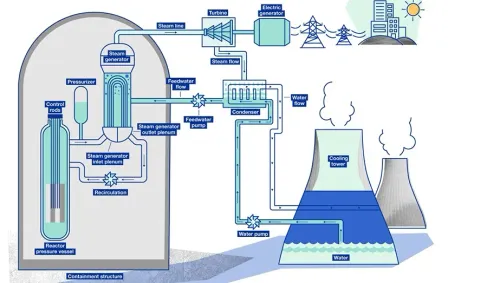
Emerging areas of cooperation identified at the meeting included long-duration energy storage, digital power-system technologies, carbon capture, utilisation and storage (CCUS), and nuclear technologies — including Small Modular Reactors (SMRs).
Carbon Markets and CBAM in Focus
The two sides also exchanged perspectives on the evolving global carbon-pricing landscape. A notable point of discussion was the EU's Carbon Border Adjustment Mechanism (CBAM), which directly affects Indian exporters in carbon-intensive sectors. This is increasingly a live issue for Indian industry, as CBAM's phased implementation is set to reshape trade economics between the two blocs.
What the Engagement Signals
This comes amid a broader deepening of India-EU ties, with both sides accelerating alignment on clean energy, technology, and trade. The engagement with the ITRE committee — the EU Parliament's primary body on energy and industrial policy — signals that cooperation is moving from intergovernmental platitudes to legislative and institutional depth. Both sides expressed commitment to continued exchange of expertise and technological cooperation to support secure, resilient, and sustainable energy systems. Further engagements are expected as both sides identify specific project pipelines in the coming months.
Point of View
But the harder conversation is on carbon markets. CBAM is not just a climate instrument — it is a trade lever that will raise costs for Indian exporters in steel, aluminium, and chemicals unless India develops a credible domestic carbon-pricing framework of its own. The fact that this came up in the ITRE meeting suggests the EU is signalling that the energy partnership and the trade relationship are now linked. India's enthusiasm for SMRs and green hydrogen cooperation is well-placed, but the CBAM alignment question is the one that will define whether this dialogue delivers economic value or remains aspirational.
NationPress
24 Sept 2026
Frequently Asked Questions
What was discussed at the India-EU energy meeting on 24 September 2026?
Minister of State Shripad Naik met the EU Parliament's ITRE delegation in New Delhi to review India-EU power sector cooperation. Topics included energy security, green hydrogen, Small Modular Reactors, carbon markets, and the EU's Carbon Border Adjustment Mechanism (CBAM).
How much has India's renewable energy capacity grown?
India's installed renewable energy capacity has grown nearly fourfold, from 76.38 GW in 2014 to 288.58 GW as of 30 June 2026 , according to official data. India has also met its NDC commitments on non-fossil fuel capacity ahead of the original target date.
What is the Carbon Border Adjustment Mechanism (CBAM) and why does it matter for India?
CBAM is an EU policy that levies a carbon cost on imports from countries without equivalent carbon pricing, affecting sectors like steel, aluminium, and chemicals. It is a significant concern for Indian exporters and was a key point of discussion at the bilateral meeting.
What new areas of India-EU energy cooperation were identified?
Both sides identified long-duration energy storage, digital power-system technologies, carbon capture and storage, green hydrogen, and Small Modular Reactors (SMRs) as priority areas for deeper collaboration. These build on existing cooperation frameworks within the India-EU partnership.
How does this meeting fit into the broader India-EU relationship?
The talks build on strong momentum in India-EU relations, including progress on the India-EU Free Trade Agreement. Engaging the EU Parliament's ITRE committee — rather than just executive bodies — signals a move toward deeper legislative and institutional cooperation on energy and industrial policy.