India eyes top-5 shipbuilding status via South Korea tie-up: Minister Sonowal
Synopsis
India is making a direct play for global shipbuilding relevance — and South Korea is the chosen partner. With the VOYAGES framework already signed during President Lee Jae Myung's April state visit, Minister Sonowal's Busan trip is about converting diplomacy into industry deals, talent pipelines, and technology transfer. The real challenge: India currently holds a sliver of global shipbuilding share dominated by Korea, China, and Japan.
Key Takeaways
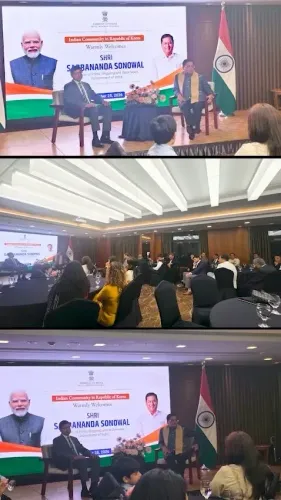
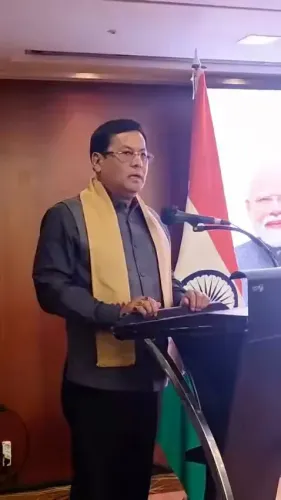
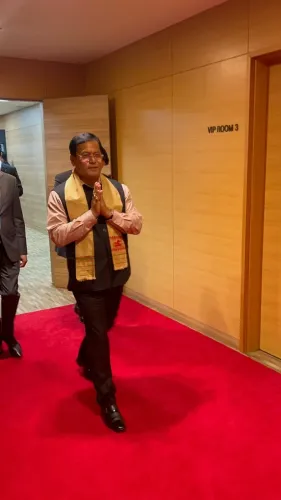
Sarbananda Sonowal is on a four-day visit to South Korea , engaging Korean industry and Indian diaspora professionals.
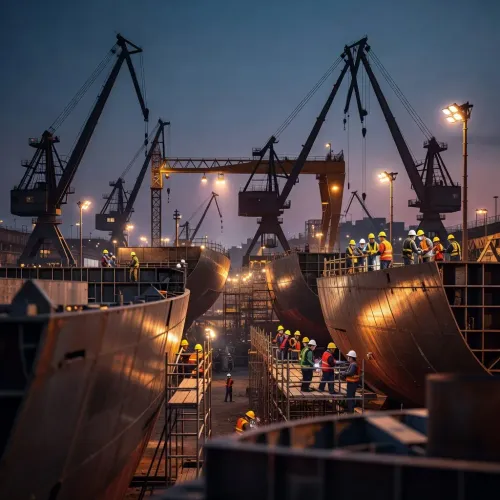
India aims to become one of the world's top five shipbuilding nations by 2047 under the Maritime Amrit Kaal Vision 2047 .
The bilateral VOYAGES framework , covering shipbuilding, shipping, and maritime logistics, was adopted in April during South Korean President Lee Jae Myung's state visit to India.
Joint initiatives include the India Ship Technology Centre and a skills partnership with the Korea International Cooperation Agency (KOICA) .
Sonowal called for professionals across shipbuilding, marine engineering, naval architecture, and project management to support India's maritime build-out.
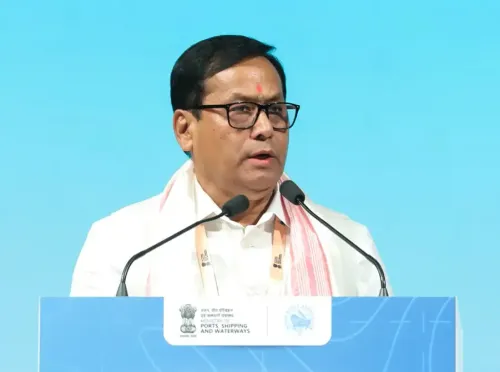
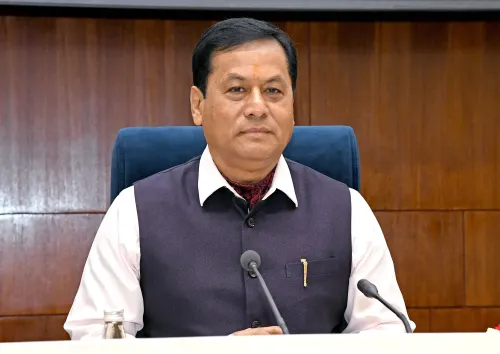
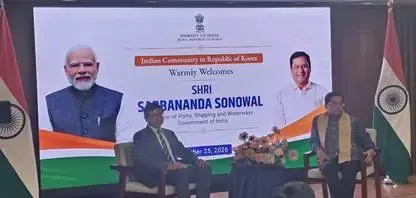
Union Minister of Ports, Shipping and Waterways Sarbananda Sonowal is on a four-day visit to South Korea, pitching India's maritime opportunity directly to Korean industry and diaspora professionals, according to an official statement from the Ministry of Ports, Shipping and Waterways (MoPSW). The visit is part of a broader drive to place India among the world's top five shipbuilding nations by 2047.
Opening in Busan: India's Pitch to the Korean Maritime Hub
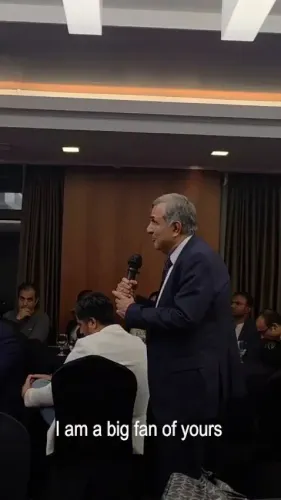
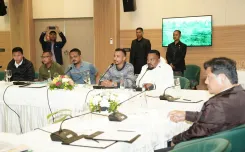
Sonowal opened the trip in Busan, which he described as the nerve centre of South Korea's maritime industry. There, he met Indian professionals already working within Korea's shipbuilding ecosystem and urged them to act as a bridge between the two nations.
'Your presence in Korea, at the heart of one of the world's most advanced shipbuilding ecosystems, is a matter of pride for India,' Sonowal said. He called on these professionals to either return with their expertise or support Indian companies from Korea, and encouraged them to mentor the next generation of Indian maritime workers.
The VOYAGES Framework and What It Covers
Central to the visit is the bilateral framework known as VOYAGES, adopted during South Korean President Lee Jae Myung's state visit to India in April. The framework spans cooperation in shipbuilding, shipping, and maritime logistics. Sonowal urged Indian professionals not to view it as a routine government agreement but as a practical platform for career and industrial growth.
'I want you to see VOYAGES not merely as a government framework but as a platform for your professional growth and for India's maritime future,' the minister said. He also highlighted joint initiatives including the India Ship Technology Centre and a shipbuilding skills partnership with the Korea International Cooperation Agency (KOICA).
The Skills Gap India Needs to Fill
Sonowal outlined a broad demand for talent — from shipbuilders and marine engineers to naval architects, designers, welders, project managers, and technology specialists. He sought practical suggestions from the diaspora on improving shipyard productivity, building a globally competitive skilled workforce, and deepening bilateral cooperation in technology, manufacturing, and innovation.
Notably, this signals that India's shipbuilding ambitions are not just capital-intensive but deeply dependent on human capital — an area where the country has historically lagged global peers.
Maritime India Vision: The 2030 and 2047 Targets
India's shipbuilding push sits within Prime Minister Narendra Modi's Maritime India Vision 2030 and the longer-horizon Maritime Amrit Kaal Vision 2047, both of which aim to make India a globally competitive centre for shipbuilding, ship repair, maritime manufacturing, and logistics. The minister's Korea schedule includes meetings with leaders of global shipbuilding companies, maritime industry bodies, and research institutions.
With India currently holding a fraction of global shipbuilding market share — dominated by South Korea, China, and Japan — the path to a top-five ranking by 2047 will require sustained bilateral investment, technology transfer, and a credible talent pipeline.
Point of View
China, and Japan collectively control over 90% of global new-ship orders. The VOYAGES framework is a meaningful diplomatic signal, but the real bottleneck is execution: India lacks the shipyard capacity, trained workforce, and technology stack that took Korean yards decades to build. Tying diaspora professionals to industrial policy is a creative approach, but mentorship and skills partnerships with KOICA will need to be backed by large-scale capital investment in domestic shipyard infrastructure to move the needle. The 2047 horizon is long enough to be credible — and also long enough to obscure accountability.
NationPress
26 Oct 2026
Frequently Asked Questions
What is the VOYAGES framework between India and South Korea?
VOYAGES is a bilateral cooperation framework covering shipbuilding, shipping, and maritime logistics, adopted during South Korean President Lee Jae Myung's state visit to India in April. It serves as the structural basis for India-Korea maritime industrial collaboration, including technology sharing and skills development.
What is India's shipbuilding goal by 2047?
India aims to become one of the world's top five shipbuilding nations by 2047, as outlined under the Maritime Amrit Kaal Vision 2047. This is part of a broader strategy that also includes the Maritime India Vision 2030, which targets global competitiveness in ship repair, maritime manufacturing, and logistics.
Why is Minister Sonowal visiting South Korea?
Sarbananda Sonowal is on a four-day visit to South Korea to advance the VOYAGES bilateral framework, meet global shipbuilding industry leaders, and engage with Indian diaspora professionals working in Korea's maritime sector. He is also seeking practical inputs on improving shipyard productivity and building a skilled maritime workforce.
What roles is India looking to fill in its shipbuilding sector?
According to Sonowal, India needs shipbuilders, marine engineers, naval architects, designers, welders, project managers, and technology specialists to support its maritime expansion. He specifically called on Indian professionals in Korea to return or support Indian companies from abroad.
How does India's shipbuilding ambition compare to current global leaders?
South Korea, China, and Japan currently dominate global shipbuilding, collectively accounting for the vast majority of new vessel orders. India holds a comparatively small share of the market, making the top-five-by-2047 target a significant long-term challenge that will require substantial investment in infrastructure, technology, and talent.