India withdraws emergency gas supply curbs as Hormuz LNG shipments resume
Synopsis
India's emergency gas rationing order — triggered by West Asia hostilities that forced LNG suppliers to invoke force majeure and divert cargoes — has been formally wound down as Strait of Hormuz shipping resumes. The episode exposed a stark reality: nearly 65% of India's LNG transits a single chokepoint, and unlike crude oil, gas supply has almost no quick-pivot alternatives.
Key Takeaways
The Centre withdrew most provisions of the Natural Gas (Supply Regulation) Order, 2026 on 5 July 2026 .
The rollback follows resumption of LNG shipments through the Strait of Hormuz after a ceasefire in West Asia .
The emergency order was one of three energy measures activated during the crisis; the other two — on LPG production and diesel sales — had already been withdrawn.
India imports around 88% of its crude oil and nearly half of its natural gas, with 65% of LNG sourced from West Asia.
Unlike crude, India had limited ability to diversify gas supply rapidly, as most Qatari LNG cargoes transit through the Strait of Hormuz.
The Centre on 5 July 2026 withdrew most provisions of its emergency natural gas supply regulation order, citing the resumption of liquefied natural gas (LNG) shipments through the Strait of Hormuz following a ceasefire in West Asia and a marked improvement in regional supply conditions.
What the Government Withdrew
The Ministry of Petroleum and Natural Gas amended the Natural Gas (Supply Regulation) Order, 2026, removing key operational provisions that had empowered the government to regulate the allocation of both domestically produced natural gas and imported LNG according to a priority customer list. The amendment was issued through an official notification.
The ministry stated that the situation in West Asia has improved significantly, with a ceasefire in place, negotiations under way, and maritime traffic through the Strait of Hormuz resuming — developments that have eased concerns over India's fuel and gas availability.
Why the Emergency Rules Were Introduced
The emergency gas supply regulations were introduced under the Essential Commodities Act after military hostilities involving the United States, Israel, and Iran disrupted LNG shipments through the Strait of Hormuz. The conflict prompted some LNG suppliers to invoke force majeure and divert cargoes, raising acute concerns over India's gas security.
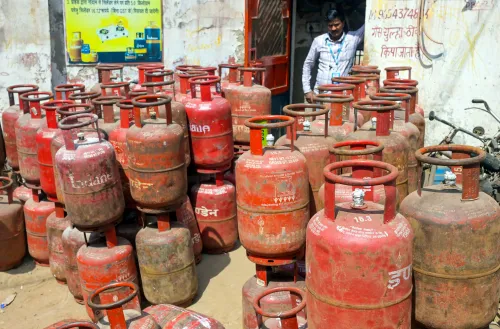
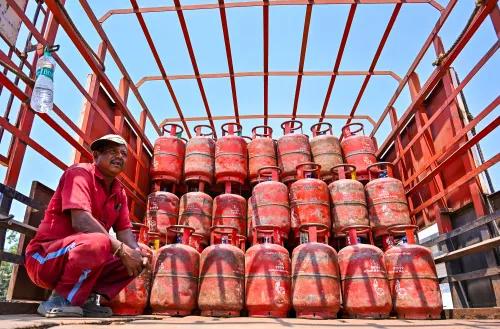
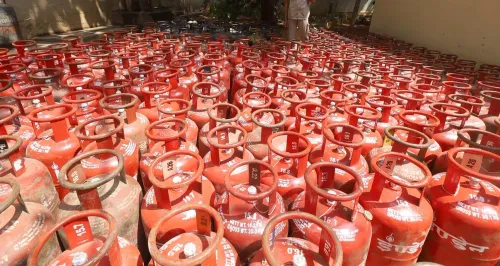
The gas supply curbs were one of three emergency energy measures activated by the government. The other two — directing refiners to maximise LPG production by diverting feedstock from petrochemical units, and restricting diesel sales to bulk consumers — had already been rolled back after the supply situation normalised.
India's Energy Vulnerability Exposed
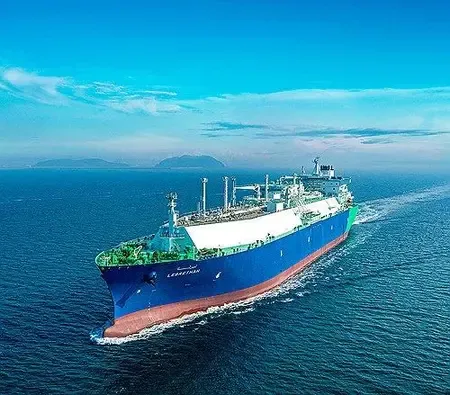
The episode has laid bare the structural vulnerabilities in India's energy supply chain. India imports around 88 per cent of its crude oil requirement and nearly half of its natural gas consumption. Critically, 40–45 per cent of crude oil imports and nearly 65 per cent of LNG supplies originate from West Asia, making the Strait of Hormuz a chokepoint for the country's energy security.
While India was able to partially diversify crude oil purchases by sourcing supplies from alternative producers during the disruption, natural gas imports proved far less flexible — most LNG cargoes from Qatar, India's primary LNG supplier, transit through the Strait of Hormuz, leaving little room for rapid rerouting.
What Happens Next
With the emergency framework now largely dismantled, gas allocation is expected to revert to commercial and contractual norms. However, the crisis has renewed calls among energy policy analysts for India to accelerate long-term LNG supply diversification and build strategic gas storage capacity. The pace of ceasefire negotiations in West Asia will remain a key variable for market stability in the months ahead.
Point of View
But the episode should not be allowed to fade quietly. India's LNG import architecture is structurally concentrated — nearly two-thirds flows through a single maritime chokepoint — and unlike crude, there is no ready spot-market alternative when that route closes. The government's ability to diversify crude purchases during the crisis was a bright spot, but it also masked the deeper problem: India has no credible gas supply buffer. Strategic LNG storage and a more diversified long-term contract portfolio are not optional extras — they are energy security imperatives that this crisis has made impossible to defer.
NationPress
5 Oct 2026
Frequently Asked Questions
Why did India introduce emergency natural gas supply regulations in 2026?
India introduced the emergency regulations under the Essential Commodities Act after military hostilities involving the United States, Israel, and Iran disrupted LNG shipments through the Strait of Hormuz. Some LNG suppliers invoked force majeure and diverted cargoes, raising concerns over India's gas availability.
What did the Natural Gas (Supply Regulation) Order, 2026 actually do?
The order empowered the government to regulate the allocation of both domestically produced natural gas and imported LNG according to a priority customer list. It was designed to ensure critical sectors received gas first during a supply shortage.
Why is the Strait of Hormuz so important for India's energy security?
The Strait of Hormuz is the transit route for 40–45% of India's crude oil imports and nearly 65% of its LNG supplies, making it the single most critical maritime chokepoint for Indian energy. A closure or disruption there directly threatens fuel availability across the country.
Could India find alternative LNG suppliers during the disruption?
Unlike crude oil, where India was able to partially diversify purchases from other producers, natural gas alternatives were limited. Most LNG from Qatar — India's primary LNG source — transits through the Strait of Hormuz, leaving little room for rapid rerouting.
What other emergency energy measures did the government take during the West Asia crisis?
The government activated three emergency measures in total: the gas supply regulation order, a directive to refiners to maximise LPG production by diverting petrochemical feedstock, and restrictions on diesel sales to bulk consumers. The latter two were withdrawn earlier, once supply conditions improved.