India-Nepal trade talks: customs, transit and market access on agenda
Synopsis
India and Nepal wrapped up a two-day inter-governmental trade review in New Delhi, covering everything from customs digitalisation and e-Certificates of Origin to rail connectivity and phytosanitary rules — a broad, structural push to reduce friction on one of South Asia's busiest bilateral trade corridors.
Key Takeaways
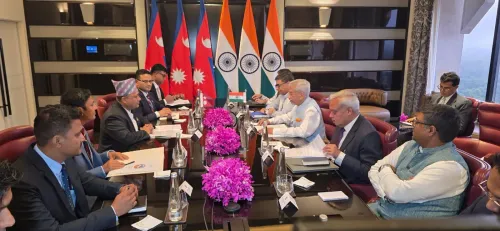
The India-Nepal IGSC meeting was held over two days in New Delhi on 18 September 2026 .
Indian delegation led by Joint Secretary Ujjwal Kumar Ghosh ; Nepali side headed by Joint Secretary Buddha Bahadur Gurung .
Discussions covered market access for agricultural, dairy, pharmaceutical, medical device and AYUSH products .
Both sides agreed to explore pre-arrival data exchange , electronic Certificate of Origin verification , and customs automation .
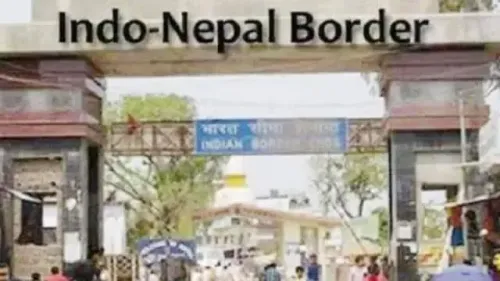
Transit issues — including rail and road connectivity , Integrated Check Posts , and land-port bottlenecks — featured prominently.
Delegates stressed coordinated action against unauthorised trade and commercial fraud .
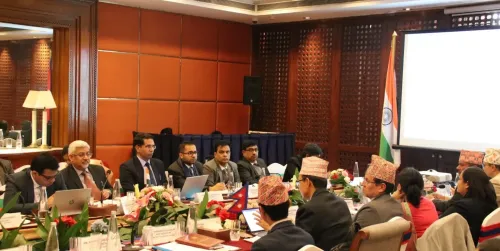
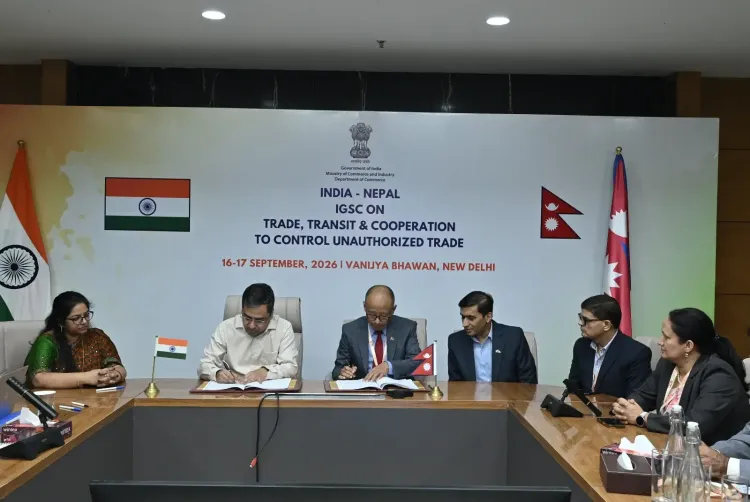
India and Nepal held a two-day bilateral review on 18 September 2026 in New Delhi, examining a broad range of trade and transit issues — from market access and customs facilitation to border infrastructure and connectivity — under the institutionalised India-Nepal Inter-Governmental Sub-Committee (IGSC) on Trade, Transit and Cooperation to Control Unauthorised Trade. The talks, convened by the Ministry of Commerce and Industry, signal continued bilateral engagement on longstanding trade friction points between the two neighbours.
Who Led the Delegations
The Indian side was led by Ujjwal Kumar Ghosh, Joint Secretary in the Department of Commerce. Nepal's delegation was headed by Buddha Bahadur Gurung, Joint Secretary in Nepal's Ministry of Industry, Commerce and Supplies. The IGSC serves as the primary bilateral institutional mechanism for examining trade-related concerns and smoothing transit between the two countries.
Key Issues on the Table
Both sides discussed measures to broaden market access for goods from each country, including agricultural and dairy products, food items, pharmaceuticals, medical devices, and AYUSH products. Standards, food safety, plant quarantine, and phytosanitary requirements were also reviewed in depth.
On the customs front, the two delegations discussed pre-arrival exchange of information, electronic verification of Certificates of Origin, and the broader digitalisation and automation of customs processes — steps aimed at accelerating legitimate trade while tightening compliance frameworks and guarding against misuse of preferential trade arrangements.
Transit and Connectivity Focus
Transit and physical connectivity emerged as a prominent thread in the discussions. The two sides reviewed progress on rail and road connectivity, freight movement, Integrated Check Posts (ICPs), and land-port infrastructure. Delegates also addressed operational bottlenecks that have hampered bilateral and transit trade flows, and discussed better utilisation of existing infrastructure.
Standards, Capacity-Building and Combating Fraud
The two countries welcomed continued institutional cooperation in standards harmonisation, food safety, plant quarantine, and conformity assessment, along with capacity-building initiatives. Both delegations stressed the need for sustained inter-agency coordination to facilitate legitimate cross-border commerce and clamp down on unauthorised trade and commercial fraud — a recurring concern in India-Nepal economic relations.
The talks reinforce a broader diplomatic effort to deepen economic integration between the two neighbours, with follow-up actions on customs automation and infrastructure upgrades expected to shape the next phase of bilateral trade policy.
Point of View
But the agenda reveals persistent structural gaps in one of South Asia's most consequential bilateral trade relationships. The push for customs digitalisation and electronic Certificates of Origin is overdue — manual verification has long been cited as a loophole that enables duty fraud and misuse of preferential arrangements. More telling is the attention to transit infrastructure: Nepal's landlocked geography makes Indian port access non-negotiable, yet bottlenecks at ICPs have frustrated Nepali exporters for years. Progress on paper is easy; the harder question is whether the operational follow-through — agency coordination, IT integration, infrastructure funding — matches the diplomatic language.
NationPress
18 Sept 2026
Frequently Asked Questions
What is the India-Nepal IGSC meeting?
The India-Nepal Inter-Governmental Sub-Committee (IGSC) on Trade, Transit and Cooperation to Control Unauthorised Trade is a bilateral institutional mechanism that periodically reviews trade and transit issues between the two countries. Its mandate covers market access, customs facilitation, border infrastructure and measures to prevent unauthorised trade.
What trade issues were discussed at the September 2026 meeting?
The two sides discussed market access for agricultural, dairy, pharmaceutical, medical device and AYUSH products, as well as customs digitalisation, pre-arrival data exchange, electronic verification of Certificates of Origin, and standards and food safety requirements. Transit and connectivity — including rail, road, Integrated Check Posts and land-port infrastructure — also featured prominently.
Why is customs digitalisation important for India-Nepal trade?
Automating customs processes and enabling electronic Certificate of Origin verification is designed to speed up legitimate trade while closing loopholes that allow commercial fraud and misuse of preferential trade arrangements. Manual verification has historically been slow and prone to errors, adding cost and delay to bilateral commerce.
How does transit connectivity affect Nepal?
Nepal is a landlocked country that depends heavily on Indian territory and port access for its third-country trade. Bottlenecks at Integrated Check Posts and land ports raise costs for Nepali exporters and importers, making improvements in rail, road and freight infrastructure a priority for both sides.
What happens next after the IGSC meeting?
Follow-up actions are expected on customs automation, infrastructure upgrades and inter-agency coordination to combat unauthorised trade. Both delegations also welcomed continued capacity-building in standards harmonisation and food safety, which will shape the next phase of bilateral trade policy.