Fadnavis meets Nepal delegation in Mumbai, eyes stronger India-Nepal trade ties
Synopsis
Maharashtra CM Devendra Fadnavis hosted a Nepali parliamentary delegation in Mumbai, with Nepal MP Sandeep Rana making the case for a major trade push — pointing to India’s 1.4 billion-strong consumer market as a ready destination for Nepal’s organic Himalayan products and underlining the open-border advantage that few bilateral partnerships enjoy.
Key Takeaways
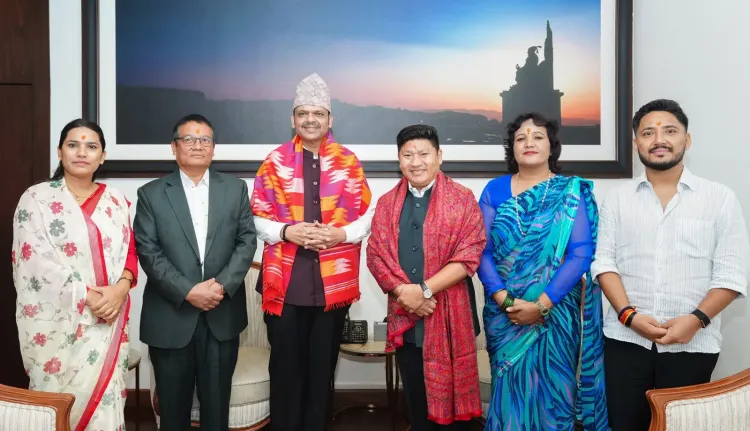
Maharashtra CM Devendra Fadnavis met Nepal MP Sandeep Rana and his delegation at Varsha Bungalow, Mumbai on 27 July .
The delegation included Lumbini Province MP Nima Giri and former Constituent Assembly member Amar Singh Pun .
Nepal currently exports tea, steel products, and edible oils to India, but Rana cited significant untapped potential.
Rana highlighted India’s 1.4 billion population as a major market opportunity for Nepali goods, against Nepal’s 30 million population.
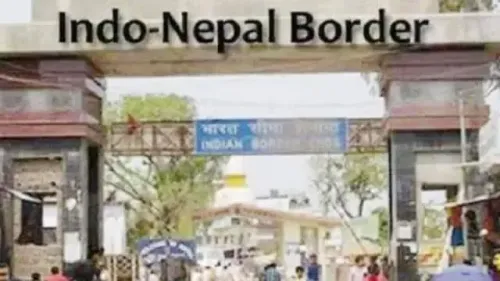
The open border between India and Nepal was identified as a key enabler for expanding bilateral trade.
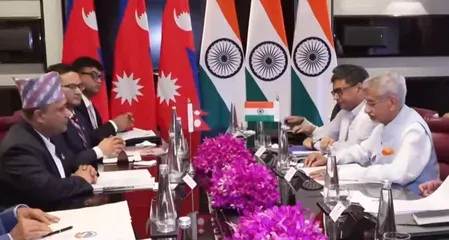
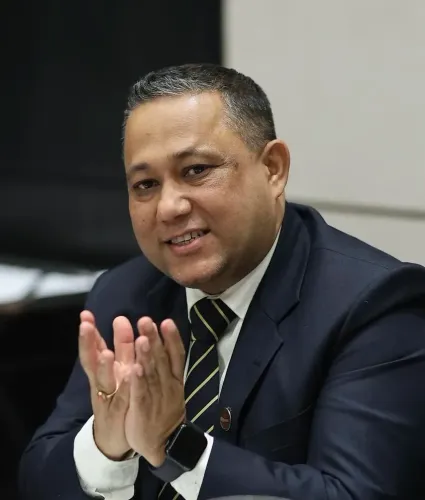
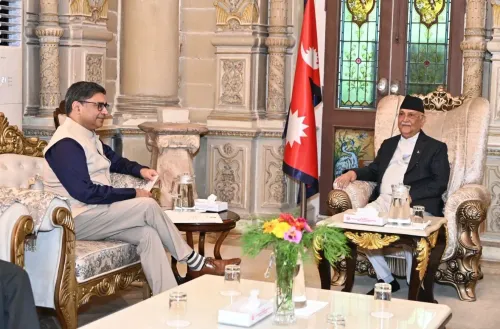
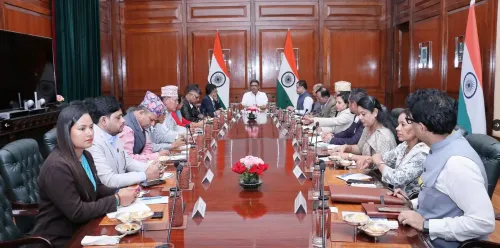
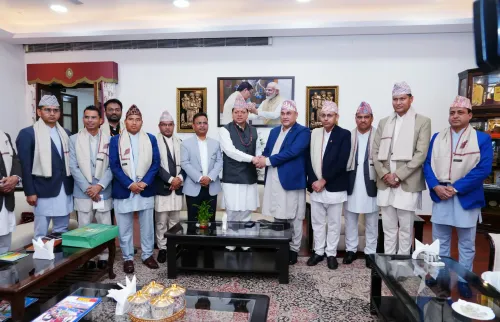
Maharashtra Chief Minister Devendra Fadnavis on Monday, 27 July held talks with a high-level Nepali delegation at Varsha Bungalow in Mumbai, focusing on deepening bilateral trade and cooperation between India and Nepal. The delegation was led by Nepal MP Sandeep Rana and included MP from Lumbini Province Nima Giri and former Constituent Assembly member Amar Singh Pun.
What Was Discussed
Both sides explored avenues to expand economic cooperation and strengthen the longstanding ties between the two neighbours. Fadnavis, in a post on X, described the meeting as an opportunity to build on the “deep-rooted bond of friendship, built on shared history, culture and mutual trust.” He added that discussions centred on “opportunities to strengthen our bilateral ties further and expand cooperation for the shared progress and prosperity of our two nations.”
Nepal’s Trade Case: Scope and Potential
Nepal MP Sandeep Rana acknowledged that Nepal’s exports to India remain comparatively modest, currently covering products such as tea, steel products, edible oils, and select other items. However, Rana argued that the potential for expansion is significant.
“There is tremendous scope to expand this trade. One reason for this potential is that our food habits and lifestyles are very similar. As a result, products manufactured in Nepal can be marketed easily in India, which has a population of around 1.4 billion people. In contrast, Nepal’s population is about 30 million,” Rana noted.
He further highlighted that Nepal produces a range of distinctive goods sourced from the Himalayas — described as “exceptionally fresh, organic and often grown using water enriched by Himalayan herbs and natural mountain sources.” These products, he said, carry significant value and market appeal in India.
Open Border as a Trade Enabler
Rana also underscored the strategic advantage of the open border shared by India and Nepal, which allows citizens of both countries to travel freely. “This unique arrangement creates enormous potential for expanding trade and strengthening economic cooperation between the two nations,” he said. The open-border framework, a legacy of the 1950 Treaty of Peace and Friendship, has long been cited as both a facilitator of people-to-people ties and a structural enabler of cross-border commerce.
Broader Context
This comes amid renewed diplomatic engagement between New Delhi and Kathmandu, with both governments seeking to recalibrate economic links beyond traditional remittance and infrastructure cooperation. Maharashtra, as India’s largest state economy, represents a significant potential market for Nepali goods. Notably, this is one of the few bilateral engagements at the state-level that explicitly frames sub-national actors — such as a state chief minister — as participants in India’s neighbourhood diplomacy.
The meeting signals continued momentum in India-Nepal relations, with trade diversification and Himalayan organic products emerging as focal points for future collaboration.
Point of View
But they matter — Maharashtra’s economy alone is larger than many South Asian nations, making Fadnavis a consequential interlocutor for Nepal’s trade ambitions. The Nepali delegation’s focus on organic Himalayan products is strategically astute: India’s premium consumer segment is growing and under-supplied in that category. What’s missing from this conversation, however, is any mention of the structural barriers — tariff asymmetries, logistics gaps, and phytosanitary standards — that have historically kept Nepal’s export basket narrow. Goodwill meetings are a start, but without a concrete trade facilitation roadmap, the ‘enormous potential’ Rana describes risks remaining just that.
NationPress
26 Oct 2026
Frequently Asked Questions
Why did Maharashtra CM Devendra Fadnavis meet the Nepal delegation?
Fadnavis met Nepal MP Sandeep Rana and his delegation on 27 July in Mumbai to discuss strengthening bilateral ties between India and Nepal, with a focus on expanding trade and economic cooperation. The meeting was held at Varsha Bungalow, the official residence of the Maharashtra Chief Minister.
What trade opportunities did the Nepal delegation highlight?
Nepal MP Sandeep Rana pointed to India’s 1.4 billion-strong consumer base as a major opportunity for Nepali exports, particularly organic Himalayan products such as tea and edible oils. He noted that similar food habits and lifestyles make Indian consumers a natural market for Nepali goods.
What is the significance of the open border between India and Nepal?
The open border, rooted in the 1950 Treaty of Peace and Friendship, allows citizens of both countries to travel freely and facilitates cross-border trade without standard visa restrictions. Rana described it as creating ‘enormous potential’ for deepening economic cooperation.
Who were the members of the Nepal delegation that met Fadnavis?
The delegation was led by Nepal MP Sandeep Rana and included MP from Lumbini Province Nima Giri and former Constituent Assembly member Amar Singh Pun.
What does Nepal currently export to India?
Nepal currently exports tea, certain steel products, edible oils, and a few other items to India. However, MP Sandeep Rana acknowledged that these exports remain comparatively small and said there is significant scope for expansion.