India-Norway waste-to-resource dialogue targets cement and construction sectors
Synopsis
India and Norway moved from diplomatic pledges to technical talks on 11 November, with CSIR and SINTEF jointly exploring how to turn steel slag, fly ash, red mud, and C&D waste into construction-grade resources — and how cement kilns can safely destroy DDT- and PCB-contaminated materials. It is an early test of whether the Green Strategic Partnership signed during PM Modi's Norway visit can deliver industrial-scale outcomes.
Key Takeaways
CSIR , SINTEF , and the Research Council of Norway co-organised the India-Norway Dialogue on waste-to-resource solutions on 11 November 2026 in New Delhi .
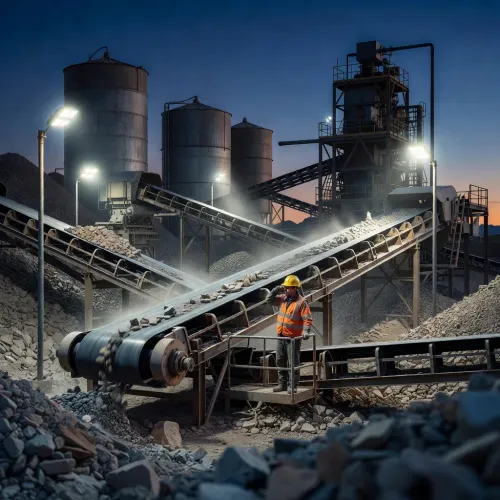
Discussions covered converting C&D waste , steel slag , fly ash , and red mud into sustainable construction inputs.
Cement kiln co-processing was explored as a method to destroy POPs , DDT , and PCB -contaminated hazardous waste.
CSIR-NEERI presented India's national plan under the Stockholm Convention and the 2025 CDW Rules .
The dialogue is rooted in the Green Strategic Partnership signed during PM Modi's visit to Norway in May .
Both sides committed to joint technology proposals translating research into scalable, market-ready solutions .
India and Norway have opened discussions on joint research and technology development to convert industrial and construction waste into sustainable inputs for the building and cement sectors, according to an official statement released on Wednesday, 11 November 2026. The dialogue, held in New Delhi, signals a concrete step toward operationalising the Green Strategic Partnership established between the two nations.
Who Organised the Dialogue
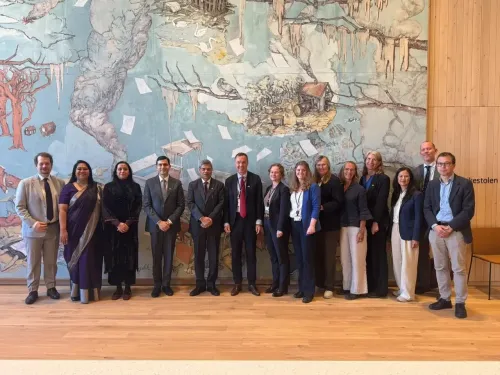
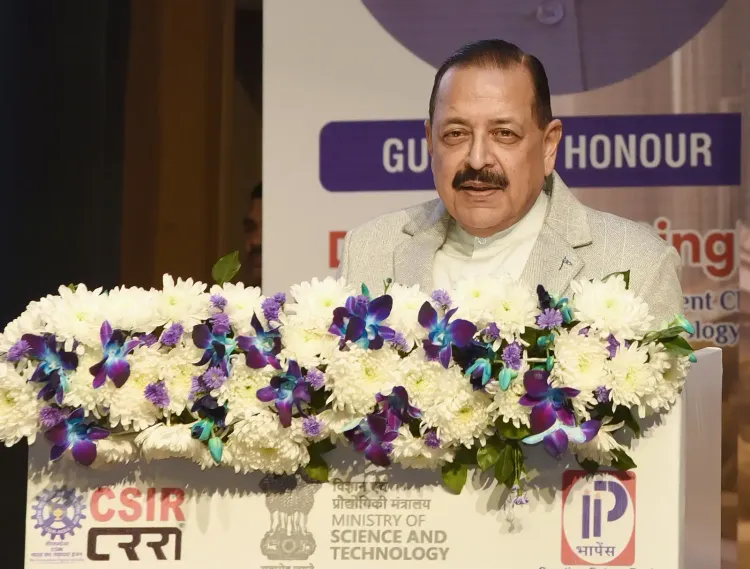
The event was convened by the Council of Scientific and Industrial Research (CSIR) in collaboration with SINTEF and the Research Council of Norway. Titled the India-Norway Dialogue on 'Waste to Resource Solutions in the Cement and Construction Sector', it brought together representatives from CSIR institutes, SINTEF, regulatory bodies, and industry players from the cement and construction sectors. The Ministry of Science and Technology confirmed the event in its official statement.
Key Themes and Waste Streams Discussed
Professor R. Pradeep Kumar, Director of CSIR-CBRI, underlined the need to shift from a linear to a circular economy model, stressing that construction and industrial waste must be treated as valuable feedstock rather than landfill material. Specific waste streams examined included construction and demolition (C&D) waste, steel slag, fly ash, red mud, and other industrial residues. Participants acknowledged challenges around processing technologies, standardisation, economic viability, and market acceptance — barriers that remain significant in scaling circular solutions in India.
Hazardous Waste and POPs Destruction
A dedicated technical session on the safe destruction of Persistent Organic Pollutants (POPs) and hazardous waste was led by Dr. Kare Helge Karstensen, Chief Scientist at SINTEF, and Dr. Ramesh Kumar, Chief Scientist at CSIR-NEERI. The session examined the potential of cement kiln co-processing as an environmentally sound method for treating hazardous waste — including materials contaminated with DDT and PCBs — by exploiting the kilns' high-temperature conditions to destroy organic contaminants while substituting conventional fossil fuels with waste-derived alternatives.
CSIR-NEERI presented India's National Implementation Plan under the country's Stockholm Convention commitments, alongside the 2025 CDW Rules and an inventory of legacy POPs. SINTEF presented international case studies demonstrating the technical viability of this approach, while stressing the need for rigorous emission monitoring, controlled industrial trials, and regulatory compliance frameworks.
The Green Strategic Partnership Backdrop
The dialogue was held against the backdrop of the Green Strategic Partnership that Prime Minister Narendra Modi and Norwegian leadership formalised during Modi's visit to Norway in May, with circular economy, clean technology, and collaborative research identified as priority areas. This bilateral forum is an early signal that the partnership is moving from declaration to technical engagement. Notably, the emphasis on translating research into scalable, market-ready solutions suggests both sides are aware of the gap between academic outcomes and industrial adoption.
What Comes Next
Participants agreed to strengthen the India-Norway research corridor through joint technology-oriented proposals involving CSIR institutes, SINTEF, and industry partners. The focus will be on converting research findings into practical, scalable interventions — a step that will require sustained regulatory support and industry buy-in on both sides. As India accelerates its infrastructure build-out and faces mounting pressure to manage construction waste responsibly, partnerships of this kind could have significant implications for the country's circular economy roadmap.
Point of View
Yet recycling and co-processing rates remain well below global benchmarks — partly due to fragmented regulation and weak market demand for recycled materials. The 2025 CDW Rules are a step in the right direction, but bilateral research agreements tend to stall at the pilot stage without sustained procurement commitments from industry. SINTEF's cement kiln co-processing expertise is proven in European contexts; the real question is whether India's regulatory and industrial ecosystem can absorb and scale it. The Stockholm Convention linkage adds urgency — India's legacy POPs inventory is a live public health issue, and co-processing could offer a cost-effective disposal route if protocols are tightened.
NationPress
11 Nov 2026
Frequently Asked Questions
What was the India-Norway waste-to-resource dialogue about?
The dialogue, held in New Delhi on 11 November 2026, focused on joint research and technology to convert industrial and construction waste — including steel slag, fly ash, red mud, and C&D waste — into sustainable inputs for the cement and construction sectors. It was co-organised by CSIR, SINTEF, and the Research Council of Norway.
How does this relate to the India-Norway Green Strategic Partnership?
The dialogue is a direct follow-up to the Green Strategic Partnership formalised during PM Modi's visit to Norway in May, which identified circular economy, clean technology, and bilateral research as priority areas. This event represents one of the first technical engagements under that framework.
What is cement kiln co-processing and why was it discussed?
Cement kiln co-processing uses the extreme high temperatures inside cement kilns to destroy hazardous organic materials — such as DDT and PCB-contaminated waste — while substituting fossil fuels with waste-derived alternatives. SINTEF and CSIR-NEERI discussed it as a potentially scalable solution for India's hazardous and POPs waste streams.
What is India's obligation under the Stockholm Convention?
The Stockholm Convention is a global treaty requiring countries to eliminate or restrict Persistent Organic Pollutants (POPs). India is a signatory and has a National Implementation Plan, which CSIR-NEERI presented at the dialogue alongside the 2025 CDW Rules and a legacy POPs inventory.
What are the next steps from the dialogue?
Both sides agreed to develop joint technology-oriented proposals involving CSIR institutes, SINTEF, and industry partners, with a focus on translating research into practical, scalable solutions. No specific funding figures or timelines were announced in the official statement.