China's Shanxi coal waste plant turns gangue into 1,000 t/day of sand
Synopsis
A plant in Shanxi's Gaoping city is converting coal gangue — the toughest solid waste from mining — into 1,000 tonnes per day of construction sand and aggregates, effectively closing the loop on China's coal waste streams and signalling a new phase in the country's circular industrial economy.
Key Takeaways
A coal gangue processing facility in Gaoping , Shanxi province , has begun operations, producing 1,000 tonnes per day of sand and gravel aggregates.
Coal gangue is the primary solid waste generated during coal mining and washing, and was the last major unresolved waste stream in China 's coal sector.
Shanxi provincial authorities confirmed the facility's output in a statement published in mid-May 2026 .
China is also processing coal gangue and fly ash to extract critical metals including lithium , gallium , and germanium .
A separate Chinese company is converting coal power plant emissions into fertiliser, adding another dimension to coal waste utilisation.
The Gaoping project brings China close to comprehensive clean utilisation across all three coal waste categories: liquid, gaseous, and solid.
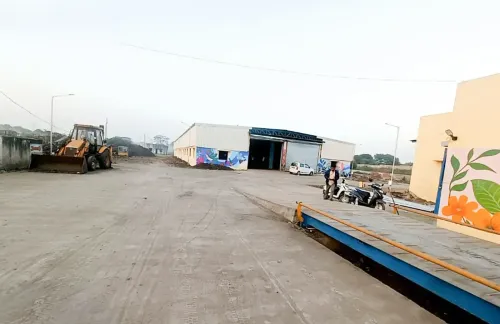
China's ambition to achieve zero waste from its coal industry has moved closer to reality with a large-scale facility in Gaoping, a county-level city in Shanxi province, now converting coal gangue — the hard solid residue from mining and washing — into 1,000 tonnes per day of sand, gravel aggregates, and other building materials. The plant, which has begun commercial operations, represents one of the most significant milestones yet in China's drive toward comprehensive clean utilisation of coal byproducts.
What the Gaoping facility produces
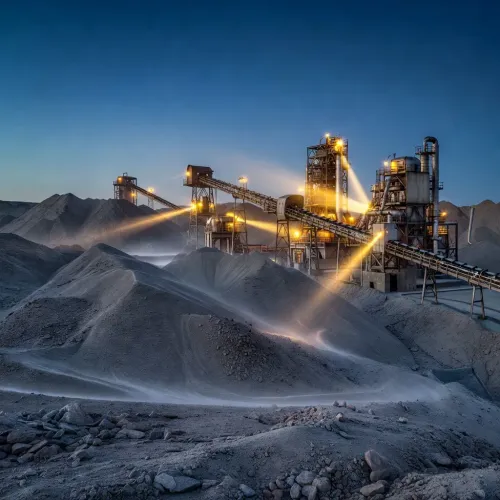
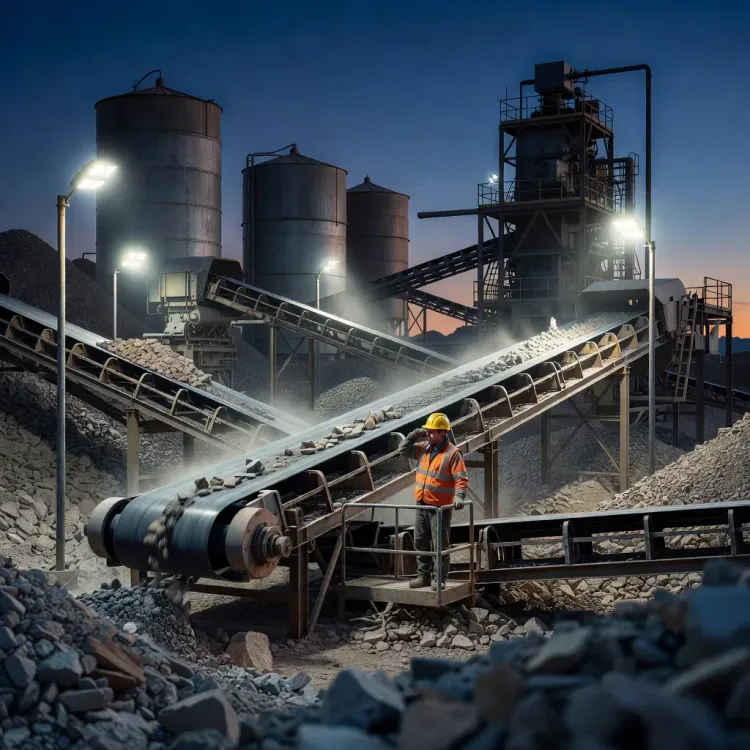
According to the Gaoping local government, the plant is generating construction-grade sand and gravel aggregates daily from coal gangue at a rate of 1,000 tonnes. Shanxi provincial authorities confirmed in an article published in mid-May 2026 that the raw material is derived from coal gangue, the primary solid waste stream created during coal mining and washing operations. The output feeds directly into the construction supply chain, giving a low-value industrial waste stream significant commercial utility.
Why it matters: completing the coal waste loop
The Gaoping project is widely seen as the final piece in China's coal waste management puzzle. The country has progressively addressed liquid waste through contaminated water treatment and gaseous waste through emissions management; solid waste in the form of coal gangue was the last major unresolved category. Industry observers note that cracking the processing challenge of coal gangue — an exceptionally hard material — effectively brings China to near-complete utilisation across all three waste streams from coal production.
The broader industrial context is significant: Shanxi, China's premier coal province, generates enormous volumes of coal gangue annually, and finding scalable uses for it has long been a policy priority. Converting it into construction aggregates addresses both an environmental liability and a supply-side need in the construction sector.
The competitive backdrop: coal waste as a resource race
The Gaoping plant is not an isolated initiative. China is simultaneously pursuing multiple high-value applications for coal waste materials. Coal gangue and fly ash — another coal byproduct — are being processed to extract critical metals including lithium, gallium, and germanium, leveraging China's established advantages in extraction technology and industrial infrastructure. Separately, a Chinese company has been scaling technology that converts emissions from coal-fired power plants into fertiliser, an approach that could simultaneously reduce carbon output and lower food production costs.
What's next
The Gaoping facility's operational launch is likely to accelerate similar projects across Shanxi and other coal-producing regions as local governments look to replicate the model. The convergence of construction material demand, critical mineral extraction, and emissions conversion technologies signals that China's coal sector is being systematically repositioned from a linear waste-generating industry toward a circular resource economy. Analysts and policymakers will be watching whether the 1,000 tonne-per-day output can scale further and whether the economics hold without continued subsidies.
Point of View
China is effectively monetising a liability that has accumulated for decades across Shanxi's mining belt, reducing remediation costs while feeding a construction sector that still consumes vast quantities of sand and gravel. What mainstream coverage often underweights is the critical minerals angle: coal gangue and fly ash contain recoverable concentrations of lithium, gallium, and germanium — three materials at the centre of the global tech supply chain and export control disputes. China's ability to extract these from domestic waste streams quietly diversifies its critical mineral base in ways that bypass the geopolitical friction surrounding primary ore extraction. The zero-waste coal framing is real, but the strategic upside is in the byproducts.
NationPress
14 Sept 2026
Frequently Asked Questions
What is the coal waste plant in Shanxi doing?
The facility in Gaoping , Shanxi , is processing coal gangue — solid waste from coal mining and washing — into 1,000 tonnes per day of construction sand and gravel aggregates. It began operations in 2026 and is considered a major step toward China 's zero-waste goal for the coal industry.
What is coal gangue and why is it difficult to process?
Coal gangue is the hard, rocky solid waste separated from coal during mining and washing operations. It is chemically and physically tough, making large-scale processing technically challenging, which is why converting it into usable materials at commercial scale is considered a significant industrial achievement.
How does this fit into China's broader coal waste strategy?
China has progressively addressed all three waste streams from coal production: contaminated water, exhaust gases, and now solid waste. The Gaoping plant effectively closes the loop on solid waste, while other projects are converting coal emissions into fertiliser and extracting critical metals such as lithium , gallium , and germanium from coal byproducts.
Which critical metals can be extracted from coal waste?
China is processing coal gangue and fly ash to recover lithium , gallium , and germanium — all strategically important materials used in semiconductors, batteries, and defence applications. This positions coal waste as a secondary source of critical minerals amid global supply chain tensions.
Will other Chinese provinces replicate the Gaoping model?
The successful commercial launch of the Gaoping facility is expected to accelerate similar projects across Shanxi and other major coal-producing regions. Whether the economics are replicable without policy support remains a key question for industry analysts watching the sector's transition.