China mines coal waste for lithium, gallium and germanium
Synopsis
China is turning coal gangue and fly ash — long treated as low-value waste — into a secondary supply of lithium, gallium and germanium, exploiting integrated processing infrastructure that rivals in the US, Australia and Russia have yet to match at scale.
Key Takeaways
China is extracting lithium , gallium , germanium and aluminium from coal gangue and fly ash at an operational scale.
Dai Shifeng , member of the Chinese Academy of Sciences and professor at China University of Mining and Technology-Beijing , called coal refuse 'an important source of critical metal supply' in a late-April 2026 interview.
China 's integrated coal-washing, chemical-processing and power-generation infrastructure gives it a structural advantage over the United States , Australia and Russia , which are still at the research stage.
Variable fly-ash composition caused by blending coal from multiple sources remains the primary technical barrier to consistent large-scale extraction.
Key regions including Inner Mongolia , Shanxi , Guizhou and Chongqing are positioned as early hubs for commercialisation.
China already restricts exports of gallium and germanium ; domestic coal-waste recovery could further tighten global supply of both metals.
China is systematically extracting critical metals — including lithium, gallium and germanium — from coal mining and combustion waste, positioning the country to diversify its supply of materials essential to the global clean-energy transition. The push leverages China's existing industrial infrastructure and hard-won expertise in germanium recovery, according to a late-April 2026 report in China Energy News.
From Waste Pile to Critical-Metal Mine
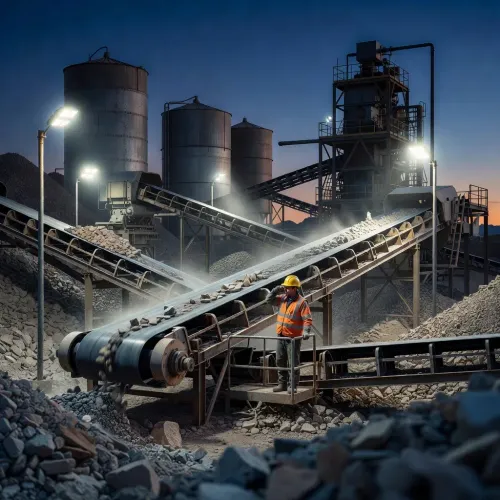
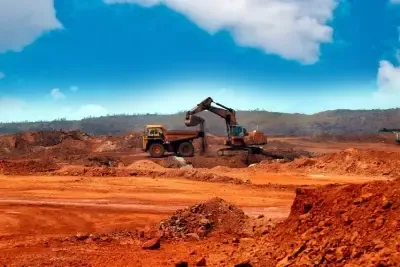
Coal operations generate two principal waste streams: coal gangue — the rock interleaved with coal seams — and fly ash, the fine particulate captured after combustion. Historically, both materials have served only as low-value cement additives, while vast stockpiles consume land and generate environmental hazards. Researchers now see those stockpiles as untapped ore bodies.
Dai Shifeng, a member of the Chinese Academy of Sciences and professor at China University of Mining and Technology-Beijing, said in the interview: 'The coal refuse contains a variety of metal elements and could become an important source of critical metal supply.'
Why It Matters: Industrial Edge Over Rivals
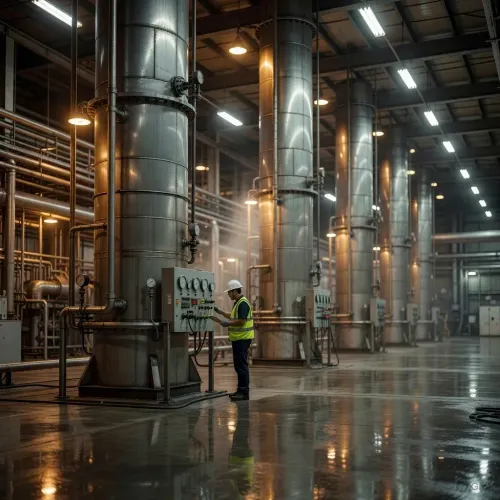
While the United States, Australia and Russia are also researching metal extraction from coal waste, China can already recover multiple metals — including germanium, aluminium, lithium and gallium — at an operational scale, according to the report. The competitive advantage lies in integration: 'China's coal production lines already have integrated facilities for washing, chemical processing and power generation, providing a strong industrial foundation for resource recovery,' the report noted.
Demand is the other tailwind. 'Thanks to the development of the new energy industry, demand for critical metals is rising fast, so extracting them from coal holds strong promise and China's experience with germanium provides a solid foundation for recovering other metals,' the report added.
Key Producing Regions in Focus
Coal-rich provinces and autonomous regions — including Inner Mongolia, Shanxi, Guizhou and Chongqing — are natural candidates for scaled-up extraction programmes, given their existing mining and power infrastructure. Industrial groups such as Mengtai Group and entities under China Energy Group are among the stakeholders positioned to benefit from commercialisation of the technology.
Technical Hurdles Remain
Dai cautioned that successful extraction depends on rigorous monitoring of coal composition. 'Some power plants blend coal from different sources before combustion. As a result, the metal content in fly ash from the same plant is constantly changing, making extraction difficult,' he said. Inconsistent feedstock quality is the primary technical barrier to reliable, large-scale recovery.
What's Next
As China tightens export controls on gallium and germanium — both already restricted since 2023 — domestic secondary sources derived from coal waste could reduce pressure on primary mining and give Beijing additional supply-chain leverage. The pace at which pilot projects in provinces like Shanxi and Inner Mongolia scale to commercial operations will be the key indicator to watch.
Point of View
Crucially, makes those metals harder for rivals to source elsewhere. What mainstream coverage often misses is the industrial-integration angle — China's coal sector already operates the washing, chemical and power assets needed for extraction, giving it a cost and speed-to-scale advantage that greenfield Western projects cannot easily replicate. The feedstock-variability problem flagged by Professor Dai is real, but it is an engineering challenge, not a structural barrier; China's track record in germanium extraction suggests it has the institutional knowledge to iterate quickly. Investors and policymakers tracking the clean-energy supply chain should watch whether pilot programmes in Inner Mongolia and Shanxi receive formal state backing in the next national five-year plan cycle.
NationPress
8 Oct 2026
Frequently Asked Questions
What critical metals is China extracting from coal waste?
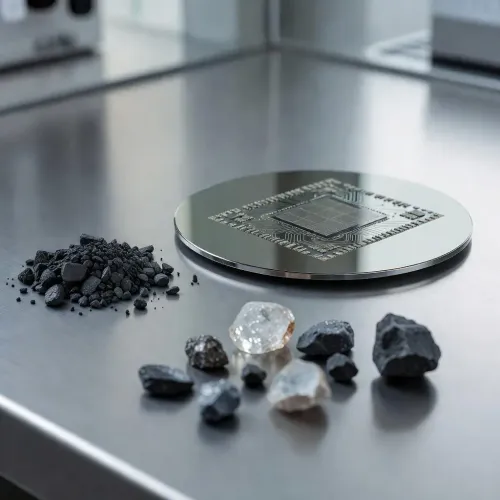
China is extracting germanium, aluminium, lithium and gallium from coal gangue and fly ash — the two main solid waste streams produced by coal mining and combustion. These metals are essential inputs for semiconductors, electric-vehicle batteries and renewable-energy equipment.
Why does China have an advantage in coal-waste metal extraction?
China's coal production lines already integrate washing, chemical processing and power-generation facilities, giving it a ready-made industrial foundation for resource recovery. Rival nations including the United States, Australia and Russia are still largely at the research stage.
Who is leading China's research into coal-waste metal recovery?
Dai Shifeng, a member of the Chinese Academy of Sciences and professor at China University of Mining and Technology-Beijing, is among the leading researchers. He discussed the opportunity and its technical challenges in a late-April 2026 interview with China Energy News.
What are the main technical challenges in extracting metals from coal waste?
The primary challenge is inconsistent feedstock quality. Many power plants blend coal from multiple sources before burning it, which means the metal content in fly ash from the same plant fluctuates continuously, complicating reliable extraction at scale.
How does this affect global gallium and germanium supply?
China already restricts exports of gallium and germanium, both of which it dominates globally. Developing a secondary domestic supply from coal waste could allow China to sustain or increase those export controls without straining its own industrial needs, tightening global availability of both metals further.