Inside Xinjiang's coal-chemical heartland as Iran war reshapes energy
Synopsis
A journalist's rare visit to Xinjiang's coal heartland — a 20-million-tonne open-pit mine running driverless Huawei-powered trucks — reveals how China is positioning its far-western energy corridor to fill the supply gap left by the Iran war.
Key Takeaways
China's Xinjiang Uygur Autonomous Region hosts one of the country's four major bases for large-scale, modern coal-chemical production.
An open-pit coal mine in Changji Hui Autonomous Prefecture produces more than 20 million tonnes of coal per year.
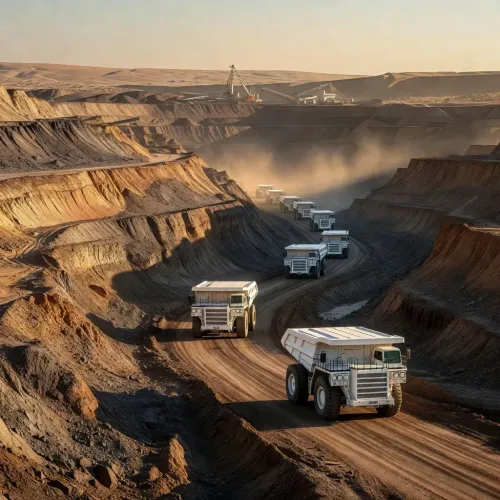
The mine, located nearly a four-hour drive from Urumqi , operates unstaffed (autonomous) mining trucks reportedly powered by Huawei technology.
The war in Iran is disrupting global oil and chemical supplies, accelerating interest in China's coal-to-chemicals capacity as an alternative feedstock source.
Journalistic access to Xinjiang's energy sector remains tightly restricted; the reporter required several months of requests before securing an invitation in late April 2026 .
The Zhundong National Economic and Technological Development Zone and the Wucaiwan area are central to the region's industrial expansion.
As the war in Iran disrupts global oil and chemical supplies, China's coal-heavy energy sector is capitalising on the resulting supply vacuum — and nowhere is that shift more visible than in the Xinjiang Uygur Autonomous Region, home to one of the country's four major bases for large-scale, modern coal-chemical production. A reporter's on-the-ground account from late April 2026 offers a rare window into this heavily restricted industrial zone.
Access Denied — Until It Wasn't
For journalists working outside state or local media, gaining entry to Xinjiang — particularly its energy infrastructure — is a prolonged and uncertain process. After several months of requests, the reporter finally secured an invitation to observe unstaffed (autonomous) mining operations at a large coal facility in northern Xinjiang.
The visit was designed as a starting point to map the broader industrial ecosystem of the region's coal-chemical complex — a sector now drawing heightened global attention as Iran-linked supply disruptions push buyers toward alternative sources.
The Scale of China's Energy Heartland
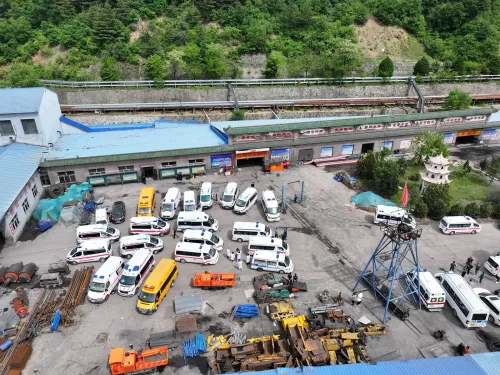
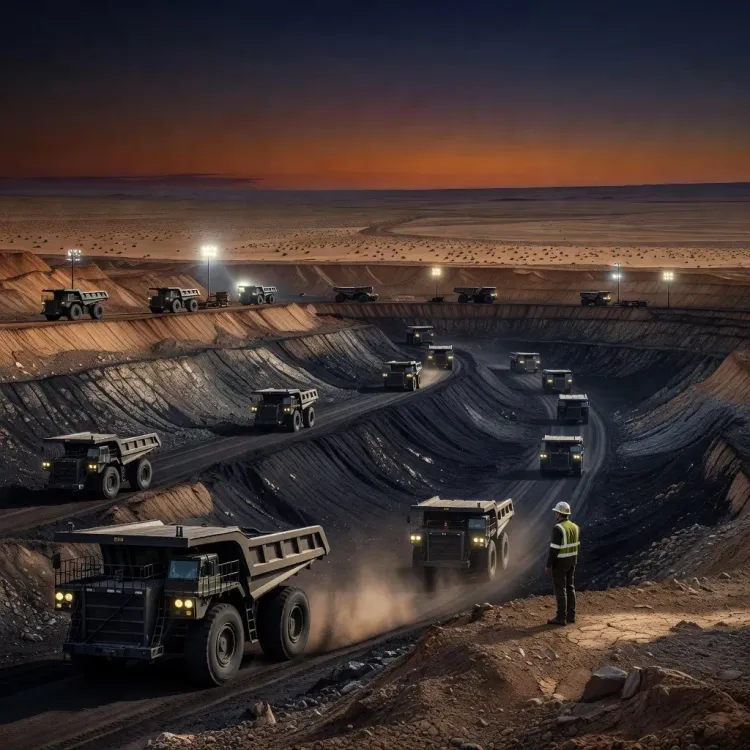
The first stop was an open-pit coal mine producing more than 20 million tonnes per year, located in the northeastern Changji Hui Autonomous Prefecture, nearly a four-hour drive from Urumqi, Xinjiang's regional capital. Arriving after dark, the reporter described the setting as "wild and desolate, with almost nothing across the vast expanse of the Gobi Desert apart from the mine itself."
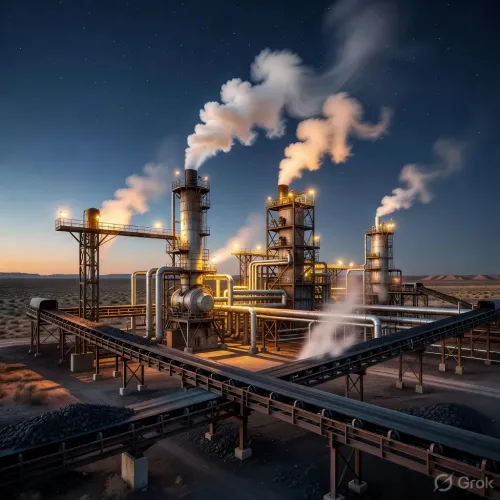
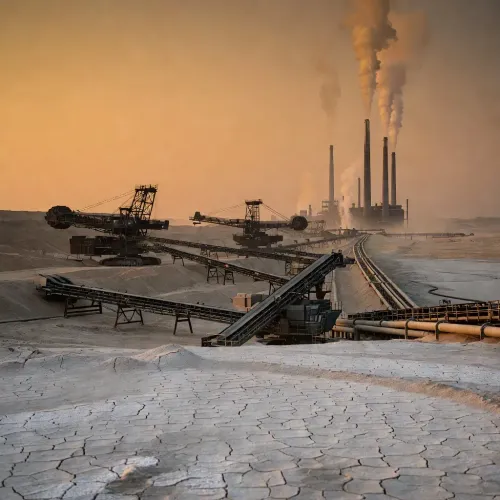
The mine sits within the broader Zhundong National Economic and Technological Development Zone — a sprawling industrial corridor that authorities have positioned as a centrepiece of China's energy self-sufficiency drive. The area around Wucaiwan is central to this buildout.
Why It Matters: Iran, Oil, and Coal Chemistry
The geopolitical backdrop amplifies the significance of the visit. The ongoing conflict in Iran has created turbulence in global petrochemical markets, accelerating demand for coal-to-chemicals as a substitute feedstock. China, which holds some of the world's largest coal reserves concentrated in regions like Xinjiang, is positioned to redirect output toward domestic chemical production and potentially export-oriented downstream industries.
Industry analysts have noted that coal-chemical capacity in Xinjiang is expanding precisely as Western sanctions and Middle East instability constrain conventional hydrocarbon supply chains.
Autonomous Mining Technology on Display
A notable feature of the visited facility was its deployment of driverless mining trucks — part of what has been described as the world's largest fleet of autonomous heavy vehicles in a single mining operation, reportedly powered by Huawei technology. The rollout signals China's ambition to combine resource abundance with frontier automation, reducing labour dependency in remote, politically sensitive regions.
What's Next
The full two-part reporting series from the trip is expected to detail the operational and economic dimensions of Xinjiang's coal-chemical ecosystem in greater depth. As Iran-related energy disruptions show no sign of abating, global attention on China's western energy corridor — and the geopolitical constraints surrounding journalistic access to it — is likely to intensify.
Point of View
Combining resource security with frontier automation (Huawei-powered autonomous trucks) in a region where labour and surveillance costs intersect in complex ways. The multi-month barrier to press access is itself a data point: the tighter the restrictions, the faster the buildout tends to be. Commodity traders and petrochemical buyers in Asia and Europe who have been slow to model Xinjiang coal-chemical output as a genuine swing factor in their supply chains may need to revisit those assumptions quickly.
NationPress
24 Oct 2026
Frequently Asked Questions
What is China's coal-chemical production base in Xinjiang?
Xinjiang hosts one of China's four designated major bases for large-scale, modern coal-chemical production, centred on the Zhundong National Economic and Technological Development Zone near Wucaiwan. The region's vast coal reserves are being converted into chemicals and synthetic fuels, reducing China's dependence on imported petrochemicals.
How is the Iran war affecting China's energy sector?
The ongoing conflict in Iran is disrupting global oil and chemical supplies, creating a supply vacuum that China's coal-chemical industry is positioned to fill. With Xinjiang's coal-to-chemicals capacity expanding, Chinese producers can substitute coal-derived feedstocks for petroleum-based ones at scale.
What autonomous mining technology is being used in Xinjiang's coal mines?
The open-pit coal mine visited in Changji Hui Autonomous Prefecture operates driverless mining trucks, reportedly part of the world's largest such fleet and powered by Huawei technology. This deployment reflects China's strategy of combining abundant coal resources with advanced automation in remote regions.
Why is it difficult for journalists to access Xinjiang's energy sector?
Xinjiang's energy infrastructure is subject to tight access controls, particularly for journalists working outside state or local Chinese media. The reporter behind this account required several months of requests before finally securing an invitation in late April 2026.
How large is the coal mine visited in Xinjiang?
The open-pit mine in northeastern Changji Hui Autonomous Prefecture produces more than 20 million tonnes of coal per year. It is located nearly four hours by road from Urumqi, Xinjiang's regional capital, on the edge of the Gobi Desert.