Xinjiang coal chemicals rise as Iran war disrupts global oil supply
Synopsis
As the Iran war fractures global oil supply chains, China is quietly building a coal-chemical colossus in Xinjiang — a region sitting atop 390 billion tonnes of reserves — that could redraw the map of global petrochemical trade.
Key Takeaways
China's Zhundong National Economic and Technological Development Zone in Xinjiang holds an estimated 390 billion tonnes of coal reserves, underpinning a major coal-chemical expansion.
The war in Iran has disrupted global oil and chemical supplies, accelerating China's push to substitute petroleum-derived products with coal-based alternatives.
Key state enterprises including Shenhua Group (under National Energy Group ) and Xinjiang Yihua Chemical Co Ltd are central to the Wucaiwan industrial cluster.
Coal is being converted into liquid fuel, clean gas, plastics, and chemical fertilisers using technologies such as DMTO , developed at the Dalian Institute of Chemical Physics .
Nearly 60 per cent of global oil reserves are concentrated in the Persian Gulf , making supply disruptions from the Iran conflict a systemic risk for oil-dependent economies.
Xinjiang , Inner Mongolia , and Shaanxi form the three-pillar backbone of China's coal-chemical industrial base, with export ambitions targeting Southeast Asia .
China is accelerating a strategic pivot to coal-based chemical production in Xinjiang as the ongoing war in Iran disrupts global oil and petrochemical supply chains. At the centre of this shift is the Zhundong National Economic and Technological Development Zone in Changji Hui Autonomous Prefecture, northern Xinjiang — one of China's four designated bases for large-scale, modern coal-chemical manufacturing — which sits atop an estimated 390 billion tonnes of coal reserves.
A Desert Boomtown at the Heart of the Shift
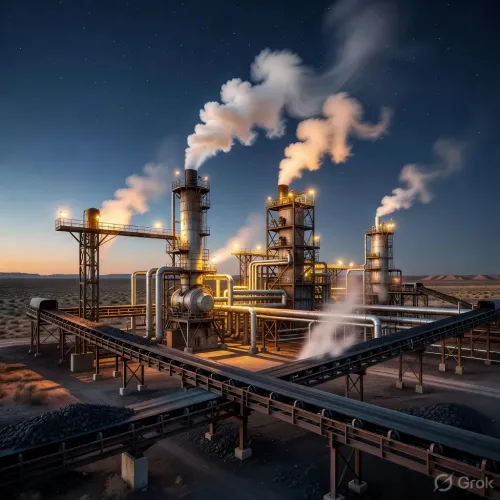
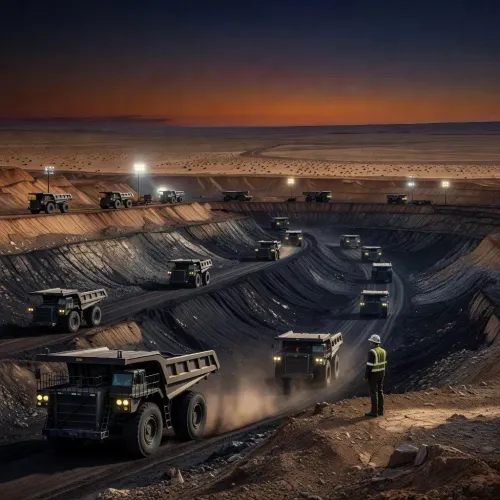
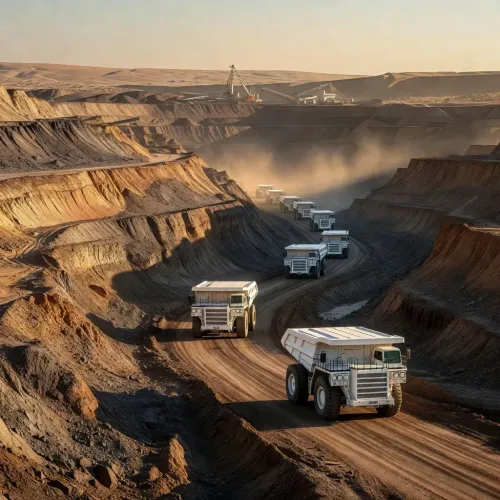
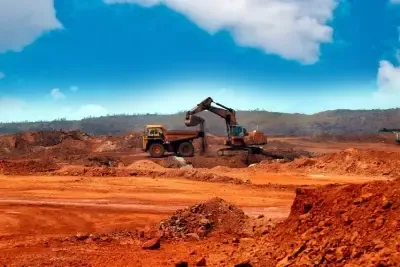
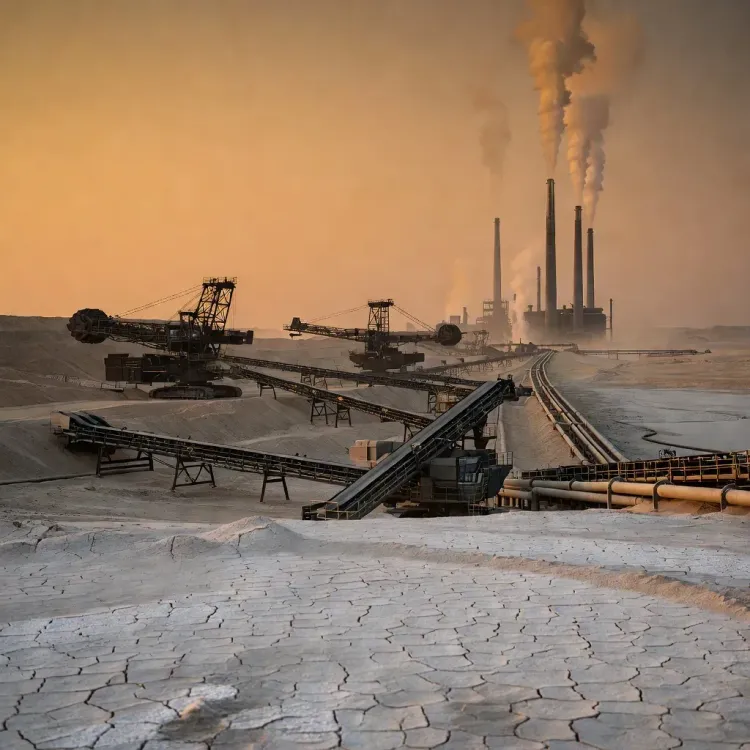
The town of Wucaiwan, carved out of the Gobi Desert in Changji Hui Autonomous Prefecture, has transformed rapidly into an industrial hub. Open-pit mines with annual outputs in the tens of millions of tonnes, massive thermal power plants, and sprawling chemical enterprises now crowd a landscape that was largely barren a generation ago. The rhythmic roar of heavy machinery has replaced the silence of the desert.
The Zhundong zone's estimated coal reserves of 390 billion tonnes dwarf the oil riches of the Persian Gulf in terms of raw weight, according to industry assessments. Facilities in the zone are converting coal into liquid fuel, clean gas, plastics, and chemical fertilisers — products historically derived from petroleum.
Why It Matters: Oil's Century-Long Dominance Under Pressure
For most of the past century, oil — nearly 60 per cent of which is concentrated in the Persian Gulf — has been the undisputed backbone of global industrial and economic development, particularly in transport and petrochemicals. The Iran conflict has exposed the fragility of that dependence for energy-importing nations.
China, the world's largest oil importer, is leveraging its vast domestic coal reserves to reduce exposure to Middle East supply shocks. The coal-chemical sector, long considered a secondary industry, is now being positioned as a strategic buffer — and a potential export platform for chemical products to markets in Southeast Asia and beyond.
The Competitive Backdrop: Key Players and Technology
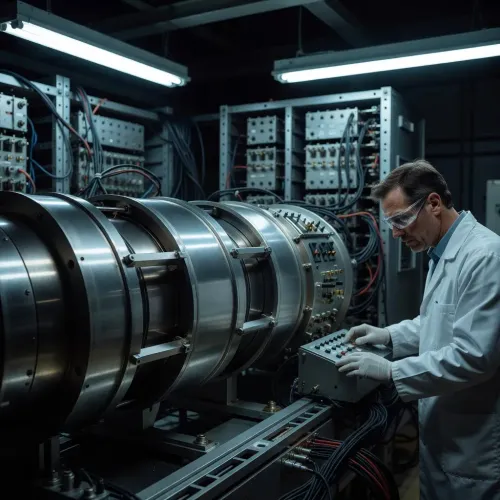
Major state-owned enterprises including Shenhua Group, operating under the umbrella of National Energy Group, and Xinjiang Yihua Chemical Co Ltd are among the industrial giants anchoring the Zhundong zone. Proprietary technologies such as DMTO (Dimethyl Ether to Olefins), developed at the Dalian Institute of Chemical Physics, are enabling the conversion of coal-derived methanol into olefins — key feedstocks for plastics and synthetic fibres.
China Petroleum and Chemical Industry Federation data and analysts including Kevin Tu of Agora Energy China have noted that China's coal-chemical capacity has expanded significantly over the past decade, with Xinjiang, Inner Mongolia (particularly Ordos), and Shaanxi forming the production backbone. Saudi Arabia, Russia, and Vietnam are among the markets watching these developments closely.
What's Next: Global Implications of China's Coal-Chemical Surge
The scale of investment in Xinjiang's coal-chemical corridor signals that Beijing views energy self-sufficiency as a long-term structural priority, not merely a crisis response. If output scales as projected, China could emerge as a significant exporter of coal-derived petrochemical substitutes, potentially reshaping pricing dynamics in global plastics and fertiliser markets.
Analysts and industry observers will be watching whether China's coal-chemical expansion accelerates further if the Iran conflict prolongs oil supply disruptions — and how traditional petrochemical exporters in the Middle East and Guangxi-linked processing hubs respond to the competitive pressure.
Point of View
They will undercut Middle Eastern petrochemical exporters who have long relied on cheap feedstock advantages. The DMTO technology angle also matters — it represents indigenous Chinese IP reducing dependence on Western licensing, a quiet parallel to the semiconductor self-sufficiency drive. The critical watch item is whether Western carbon-border adjustment mechanisms, such as the EU's CBAM, will eventually price coal-chemical exports out of key markets and cap the strategic upside.
NationPress
6 Oct 2026
Frequently Asked Questions
Why is China expanding coal chemical production in Xinjiang?
China is expanding coal chemical production in Xinjiang primarily to reduce dependence on Middle Eastern oil, which has been disrupted by the ongoing war in Iran. The Zhundong National Economic and Technological Development Zone sits atop an estimated 390 billion tonnes of coal reserves, giving China a domestic alternative for producing fuels, plastics, and fertilisers.
How large are Xinjiang's coal reserves compared to Middle East oil?
The Zhundong zone alone holds an estimated 390 billion tonnes of coal reserves, which eclipses the oil riches of the Persian Gulf in terms of raw weight, according to industry assessments. This makes Xinjiang one of the most significant energy resource bases in the world.
Which companies are involved in Xinjiang's coal chemical industry?
Major players include Shenhua Group, operating under National Energy Group, and Xinjiang Yihua Chemical Co Ltd, both of which anchor the Wucaiwan industrial cluster in Changji Hui Autonomous Prefecture. These enterprises operate open-pit mines, thermal power plants, and chemical processing facilities.
What products can be made from coal chemicals?
Coal can be converted into liquid fuel, clean gas, plastics, chemical fertilisers, and olefins — key petrochemical feedstocks — using technologies such as DMTO developed at the Dalian Institute of Chemical Physics. These products are direct substitutes for petroleum-derived materials.
How does China's coal chemical expansion affect global petrochemical markets?
If China scales coal-derived chemical output as projected, it could emerge as a significant exporter of petrochemical substitutes, potentially pressuring prices in global plastics and fertiliser markets. Traditional exporters in the Middle East and other regions may face increased competition, particularly in Southeast Asian markets.