Iran-US tensions cost China: oil imports down 20%, exports slump 57%
Synopsis
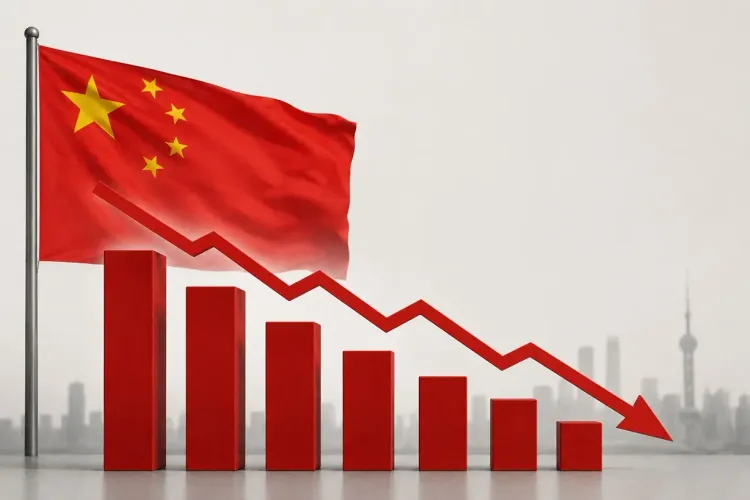
China's carefully managed neutrality in the Iran-US standoff is coming at a concrete economic price. With oil imports down 20%, Gulf exports collapsing 57% in a single month, and producer prices at a 45-month high, Beijing is absorbing the costs of a conflict it publicly refuses to condemn — a contradiction that could deepen the longer the Gulf crisis runs.
Key Takeaways
China cut oil imports by around 20 per cent in April 2025 as Brent crude traded above $100 per barrel during the Gulf crisis.
Chinese exports to Persian Gulf countries fell nearly 57 per cent in March , dropping from $13.2 billion to $5.7 billion .
China's producer prices hit a 45-month high in April, with consumer inflation also rising, according to the Iran International report.
Nearly 45 per cent of China's oil imports transit the Strait of Hormuz , making it acutely exposed to Gulf instability.
Beijing has reportedly reduced Iranian oil imports even while maintaining diplomatic support for Tehran at the UN .
Chinese firms with tens of billions of dollars in Middle East investments face rising uncertainty over project returns.
The escalating US-Iran standoff is extracting a steep economic toll on China, exposing Beijing to compounding risks across energy security, trade flows, and regional investment, according to a report by Iran International. The findings, published in May 2025, detail how the Gulf crisis is straining the world's second-largest economy at multiple pressure points simultaneously.
Energy Security Under Threat
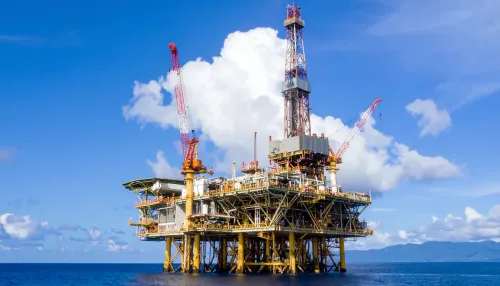
At the core of China's vulnerability is the Strait of Hormuz, the narrow waterway through which nearly 45 per cent of Beijing's oil imports pass. Ongoing instability in the region has driven sharp volatility in global crude markets, with Brent crude trading above $100 per barrel at various points during the crisis — directly pushing up import costs and stoking inflationary pressures within China's domestic economy.
In response, China reportedly cut oil imports by around 20 per cent in April and raised domestic fuel prices, as elevated global crude prices fed through to both producer and consumer inflation. China's producer prices surged to a 45-month high in April, according to the report, while consumer inflation also accelerated — reflecting broader cost pressures from energy and supply chain disruptions tied to the Gulf conflict.
Trade Flows Take a Sharp Hit
Beyond energy, Chinese trade with the Persian Gulf region has suffered a dramatic contraction. Chinese exports to Gulf countries plunged to approximately $5.7 billion in March, down from $13.2 billion the previous month — a decline of nearly 57 per cent, the report said. The scale of the drop underscores how quickly regional instability can disrupt established commercial corridors.
This comes amid a broader pattern of trade disruption linked to conflict-driven uncertainty. Chinese shipping and logistics firms operating in the region have reportedly increased risk premiums, adding further friction to already strained supply chains.
Regional Investments Face Uncertainty
Chinese firms have invested tens of billions of dollars in Middle East infrastructure and energy projects, but escalating conflict and attacks in the region have raised uncertainty over project execution and returns, the report noted. The combination of physical security risks and financial volatility is complicating long-term planning for Chinese state-owned and private enterprises with Gulf exposure.
The Iran Balancing Act
China remains Iran's largest non-oil trading partner and a major buyer of Iranian crude. Yet, according to the report, Beijing has reportedly reduced imports of Iranian oil in recent months, even as it continues to oppose Western-backed United Nations measures against Tehran and maintains diplomatic support for Iran at the UN Security Council.
Notably, this places Beijing in a difficult strategic position: it must manage its partnership with Iran — a relationship central to its energy diversification and Belt and Road ambitions — while simultaneously absorbing the economic fallout of prolonged instability in a region critical to its trade and energy security. Critics argue that China's dual posture of diplomatic backing for Iran and quiet economic distancing reflects a pragmatic calculation that prioritises economic self-interest over stated solidarity.
What Comes Next
The report suggests that if the US-Iran standoff prolongs or escalates further, China's economic exposure will deepen. Any disruption to Hormuz transit — even a partial one — could force Beijing into emergency energy procurement at elevated prices, worsening its inflationary outlook. Industry analysts are watching whether China will accelerate strategic petroleum reserve drawdowns or seek alternative supply routes as a hedge against further Gulf volatility.
Point of View
Long projected as a geopolitical asset, are quietly becoming a liability as conflict risk reprices regional assets. Mainstream coverage tends to focus on US-Iran diplomacy; the China dimension — and its domestic inflationary feedback loop — deserves sharper attention.
NationPress
20 Sept 2026
Frequently Asked Questions
How are Iran-US tensions affecting China's economy?
The US-Iran standoff is hitting China through three channels: surging energy costs, a sharp contraction in Gulf trade, and rising uncertainty over regional investments. China cut oil imports by around 20 per cent in April 2025 and saw Gulf exports fall nearly 57 per cent in March, while producer prices hit a 45-month high, according to a report by Iran International.
Why is the Strait of Hormuz critical to China?
Nearly 45 per cent of China's oil imports pass through the Strait of Hormuz, making any disruption to the waterway a direct threat to Beijing's energy security. Ongoing Gulf instability has already driven Brent crude above $100 per barrel at various points, raising China's import bill significantly.
Has China reduced its imports of Iranian oil?
Yes, according to the Iran International report, China has reportedly reduced imports of Iranian oil in recent months, even as it continues to oppose Western-backed UN measures against Tehran. China remains Iran's largest non-oil trading partner but appears to be quietly distancing itself economically.
What happened to Chinese exports to the Gulf region?
Chinese exports to Persian Gulf countries fell sharply to approximately $5.7 billion in March 2025, down from $13.2 billion the previous month — a decline of nearly 57 per cent. The drop reflects how rapidly regional conflict can disrupt established trade corridors.
What is China's strategic dilemma in the Gulf crisis?
Beijing faces a difficult balancing act: it maintains diplomatic support for Iran at the UN while absorbing the economic fallout of Gulf instability that Iran is central to. Managing this partnership without deepening its own economic damage is increasingly complex, particularly as its Middle East investments face rising execution risk.