Health Ministry proposes 10 new drug import gateways under Drugs Rules amendment
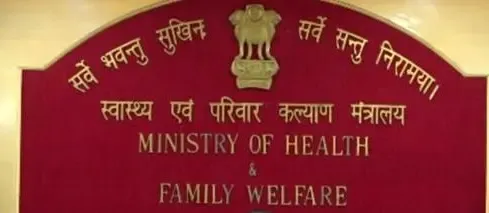
Synopsis
India's Health Ministry wants to add 10 new import entry points for drugs, medical devices and cosmetics — spanning ICDs across Haryana, UP, Gujarat, Telangana and Karnataka, an SEZ, and the newly built Noida International Airport. The move targets a concrete pain point: long inland haulage after port clearance that inflates costs and delays medicine distribution.
Key Takeaways
The Ministry of Health and Family Welfare has proposed a draft amendment to Rule 43A of the Drugs Rules, 1945 , announced on 3 November 2026 .
10 new import locations are proposed, including ICDs in Haryana , Uttar Pradesh , Gujarat , Telangana , and Karnataka .
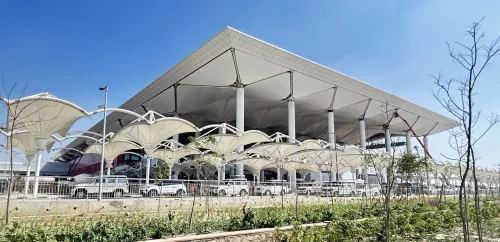
SEZ Bommasandra (Karnataka) and Noida International Airport (UP) are among the newly proposed entry points.
The amendment aims to cut inland transport distances, reduce logistics costs, and minimise delays for imported medicines and medical devices.
The new gateways will join an existing network that includes ICDs Dhannad and Tihi in Madhya Pradesh , among others.
The Ministry of Health and Family Welfare (MoHFW) has proposed an amendment to Rule 43A of the Drugs Rules, 1945, seeking to add 10 new authorised import locations — including inland container depots (ICDs), a special economic zone (SEZ), and a new international airport — through which drugs, medical devices, and cosmetics may enter India. The draft amendment, announced on Tuesday, 3 November 2026, is intended to improve logistics efficiency and strengthen the healthcare supply chain.
What the Proposed Amendment Covers
Under the current framework, Rule 43A governs the specific ports, airports, railway stations, road crossings, and other designated points through which pharmaceutical and related products may be imported into India. The draft changes seek to broaden that list considerably.
According to the ministry, the proposed new entry points are: ICD Sonipat, ICD Piyala and ICD Harsaru in Haryana; ICD Dadri in Uttar Pradesh; ICD Gandhidham/Mundra in Gujarat; ICD Sanath Nagar and ICD Thimmapur in Hyderabad, Telangana; ICD Whitefield in Bengaluru, Karnataka; SEZ Bommasandra in Karnataka; and Noida International Airport in Uttar Pradesh for air imports of drugs.
How It Expands the Existing Network
These facilities would join an already-notified set of import points that includes airports and inland container depots such as Dhannad and Tihi in Madhya Pradesh. The expansion notably shifts focus toward inland infrastructure, reflecting the growing role of ICDs in India's pharmaceutical logistics network.
Critically, the move would allow importers to process consignments closer to manufacturing units, warehousing hubs, and distribution centres — reducing the need for long-distance inland haulage after port clearance.
Expected Impact on Costs and Timelines
The government stated that the expansion is 'likely to reduce inland transportation distances, optimise logistics costs and minimise delays in the movement of imported consignments.' For the healthcare sector, where cold-chain integrity and timely delivery are operationally critical, such reductions in transit time could have downstream effects on medicine availability and pricing.
The MoHFW framed the measure as part of a broader push to promote ease of doing business in the pharmaceuticals sector while ensuring the timely availability of critical healthcare products across different regions of the country.
Background and Significance
This comes amid sustained government efforts to modernise India's pharmaceutical import and distribution infrastructure. India is one of the world's largest importers of bulk drugs (active pharmaceutical ingredients), medical devices, and diagnostic equipment, making import gateway efficiency a material concern for both the healthcare industry and patients.
The inclusion of the Noida International Airport — a newly developed facility — is particularly notable, as it signals the Centre's intent to integrate next-generation infrastructure into the regulated import framework from the outset. The amendment, once finalised, is expected to benefit importers concentrated in the Delhi-NCR, Gujarat, Karnataka, and Telangana pharmaceutical clusters.
Industry observers are expected to weigh in during the public consultation period before the amendment is formally notified.
Point of View
But the real test is regulatory bandwidth: more entry points mean more inspection infrastructure, more drug testing laboratories, and more trained customs and licensing officials at each node. India's drug regulatory apparatus has historically been stretched thin even at existing gateways. Adding 10 new locations without a parallel scale-up in enforcement and testing capacity could inadvertently create lower-scrutiny corridors for substandard or spurious imports — the precise risk the Drugs Rules are designed to prevent. The inclusion of Noida International Airport is forward-looking, but the amendment's value will ultimately depend on the operational readiness of the regulatory machinery, not just the logistical footprint.
NationPress
3 Nov 2026
Frequently Asked Questions
What changes are proposed to the Drugs Rules, 1945?
The Health Ministry has proposed a draft amendment to Rule 43A of the Drugs Rules, 1945, to add 10 new authorised import locations — including inland container depots, an SEZ, and Noida International Airport — through which drugs, medical devices, and cosmetics can enter India. The amendment is designed to improve logistics efficiency and reduce transit delays.
Which new locations are proposed as drug import gateways?
The proposed additions are ICD Sonipat, ICD Piyala and ICD Harsaru (Haryana); ICD Dadri (Uttar Pradesh); ICD Gandhidham/Mundra (Gujarat); ICD Sanath Nagar and ICD Thimmapur (Hyderabad, Telangana); ICD Whitefield (Bengaluru, Karnataka); SEZ Bommasandra (Karnataka); and Noida International Airport (Uttar Pradesh) for air imports.
Why is the government expanding drug import gateways?
The expansion is intended to allow importers to process consignments closer to manufacturing and distribution hubs, reducing inland transportation distances, logistics costs, and delivery delays for medicines, medical devices, and cosmetics. It is also part of a broader ease-of-doing-business push in the pharmaceutical sector.
What is Rule 43A of the Drugs Rules, 1945?
Rule 43A is the provision that designates the specific ports, airports, railway stations, road crossings, and other points through which pharmaceutical products, medical devices, and cosmetics may legally be imported into India. Only locations listed under this rule are authorised import gateways for these products.
When will the amendment take effect?
The amendment has been proposed as a draft; it will take effect only after a public consultation period and formal notification by the government. No specific implementation date has been announced yet.