Defence Ministry seeks 20% capex hike, eyes defence export push beyond ₹50,000 crore
Synopsis
India's Defence Secretary has asked for a 20% CAGR-based capex hike for next year — on top of a 22% rise already secured — while admitting the ₹50,000 crore export target will slip by a year. The bigger headline: the AMCA fighter aircraft programme winner, set to run India's first private sector jet production line, will be named within a month.
Key Takeaways
The Ministry of Defence has sought a 20 per cent CAGR-based increase in capital expenditure for the next financial year, following a 22 per cent hike in the previous year.
Defence Secretary Rajesh Kumar Singh cautioned that efficient fund utilisation is as critical as higher allocations.
India exports defence products to nearly 80 countries ; the government's ₹50,000 crore export target is expected to be achieved approximately one year later than originally projected.
The winner of the Advanced Medium Combat Aircraft (AMCA) programme will be announced within approximately one month .
The AMCA winner is expected to be a private-sector company or private sector-led consortium , establishing India's first private sector-led fighter aircraft production line.
Singh cited Europe as a major emerging market for Indian defence exports amid the highest global conflict levels since World War II .
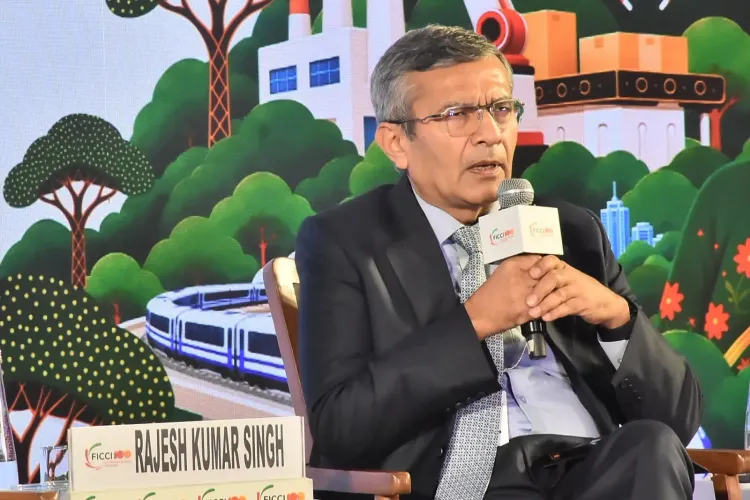
Defence Secretary Rajesh Kumar Singh on Wednesday, 18 November 2026 said the Ministry of Defence has sought a further 20 per cent increase in capital expenditure on a compound annual growth rate (CAGR) basis for the next financial year, expressing confidence that the enhanced allocation will be secured. The announcement came at FICCI's Annual Convention in New Delhi, where Singh outlined India's defence manufacturing ambitions amid a shifting global security landscape.
The Capex Push and Budget Utilisation
The request for a 20 per cent CAGR-based capex increase follows a 22 per cent rise in defence capital expenditure in the previous year. However, Singh was quick to caution that budgetary muscle alone would not deliver results. 'End of the day, the issue is not getting the budgetary outlays. You need to spend it,' he said, stressing that contracts must be awarded and fully executed before the ministry takes on fresh financial commitments. The remark signals an internal acknowledgement that fund utilisation — not just allocation — remains a persistent challenge for the defence establishment.
Global Security Environment and Export Opportunity
Singh described 2026 as a particularly challenging year for global security, citing ongoing conflicts across multiple regions. With global conflict levels at their highest since World War II, nations are accelerating rearmament programmes at an unprecedented pace. He highlighted Europe as a significant emerging market for Indian defence manufacturers, noting that European governments are ramping up military spending and modernisation efforts. 'India has a unique opportunity to build a large and diversified defence industrial base,' Singh said, framing the moment as a strategic inflection point aligned with the country's Atmanirbhar Bharat vision.
Defence Export Target: Deadline May Slip by a Year
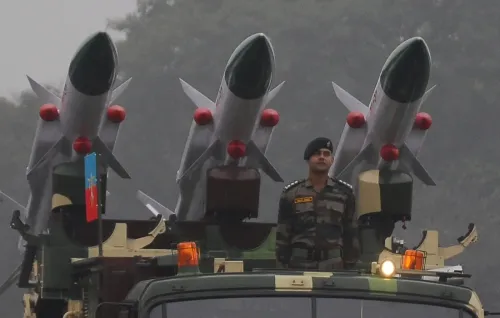
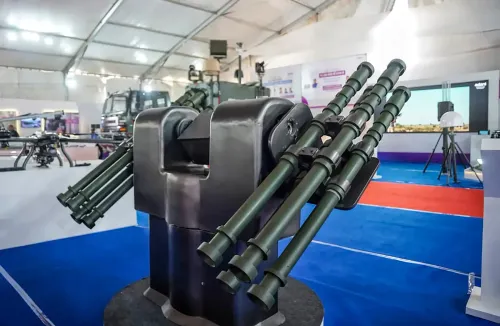
India currently exports defence products to nearly 80 countries, ranging from artillery guns and missiles to bulletproof jackets and other military equipment. The government had set a target of achieving ₹50,000 crore in defence exports, but Singh acknowledged on Wednesday that the deadline is likely to slip — by approximately one year beyond the originally projected timeline. Despite the delay, he said the growing acceptance of Indian defence platforms globally reflects the increasing technological maturity of the domestic industry. This comes amid broader efforts to shift India's identity from one of the world's largest arms importers to a major defence exporter.
AMCA Winner to Be Announced Within a Month
In a significant disclosure, Singh said the Ministry of Defence is expected to announce the winner of the Advanced Medium Combat Aircraft (AMCA) programme within approximately one month. The selected entity is expected to be a private-sector company or a private sector-led consortium, which may include a public-sector undertaking. The winning bidder will establish India's first private sector-led fighter aircraft production line, beginning with a prototype manufacturing facility. Singh expressed confidence that the initiative would be a 'game changer' for India's military aviation ecosystem and help strengthen indigenous aerospace manufacturing capabilities. Notably, the AMCA programme represents a generational leap for Indian aerospace — a sector that has historically been dominated by state-owned entities.
What Comes Next
The formal budget allocation request will be taken up during the forthcoming Union Budget cycle. Industry bodies, including FICCI, are expected to build on Singh's remarks to push for faster contract clearances and streamlined procurement pipelines. The AMCA announcement, expected within weeks, will be closely watched as a bellwether for how seriously India's private sector is being integrated into high-end defence manufacturing.
Point of View
And that gap has historically eroded the real value of annual increases. On the export side, slipping the ₹50,000 crore deadline by a year is a quiet admission that ambition has outpaced the industrial base. The AMCA disclosure is the sharpest signal yet that New Delhi is serious about breaking the HAL monopoly on fighter aircraft; whether a private consortium can actually build and deliver a prototype on schedule will be the real test of that intent.
NationPress
18 Nov 2026
Frequently Asked Questions
Why is the Ministry of Defence seeking a 20 per cent capex increase?
The Ministry of Defence has requested a 20 per cent CAGR-based hike in capital expenditure for the next financial year to continue scaling up defence procurement and indigenous manufacturing. This follows a 22 per cent increase in the previous year, with Defence Secretary Rajesh Kumar Singh expressing confidence the enhanced allocation will be approved.
Will India meet its ₹50,000 crore defence export target?
India is expected to miss its original deadline for achieving ₹50,000 crore in defence exports, with the milestone now projected to be reached approximately one year later than planned, according to Defence Secretary Rajesh Kumar Singh. India currently exports defence equipment to nearly 80 countries.
What is the AMCA programme and when will the winner be announced?
The Advanced Medium Combat Aircraft (AMCA) programme aims to develop and produce an indigenous next-generation fighter jet. The Ministry of Defence is expected to name the winning bidder — anticipated to be a private-sector company or private sector-led consortium — within approximately one month of 18 November 2026.
How does the global security situation affect India's defence exports?
Ongoing conflicts and accelerating rearmament programmes globally, particularly in Europe, have created fresh demand for defence equipment that Indian manufacturers are positioned to supply. Defence Secretary Singh described 2026 as one of the most challenging years for global security since World War II, calling it a strategic opportunity for India's Atmanirbhar Bharat defence vision.
What is the significance of a private sector-led AMCA production line?
The AMCA programme will establish India's first private sector-led fighter aircraft production line, marking a significant departure from the state-dominated aerospace manufacturing model. The winning entity will begin with a prototype manufacturing facility, which Singh described as a potential 'game changer' for India's military aviation ecosystem.