Defence Ministry signs ₹1,577-crore contracts for Loiter Munition Systems for Army
Synopsis
India has committed ₹1,577 crore to arm its artillery regiments with Loiter Munition Systems — battlefield assets that can hunt, track, and strike targets autonomously. The contracts, split between Tata Advanced Systems and NIBE, are routed through the Buy (Indian) Fast Track channel, marking one of the larger private-sector defence awards in recent months and a clear signal of India's intent to indigenise its precision-strike arsenal.
Key Takeaways
The Ministry of Defence signed contracts worth ₹1,577 crore on 14 August for Loiter Munition Systems for the Indian Army .
Contracts awarded to Tata Advanced Systems Limited and NIBE Private Limited .
Systems are designed to locate, track, and engage targets with precision, enhancing artillery regiment effectiveness.
Procurement is under the Buy (Indian) category via the Fast Track Procedure , supporting indigenous defence manufacturing.
The acquisition is expected to advance the Aatmanirbhar Bharat initiative in the defence sector.
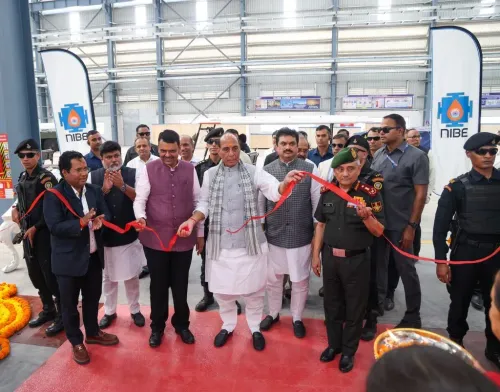
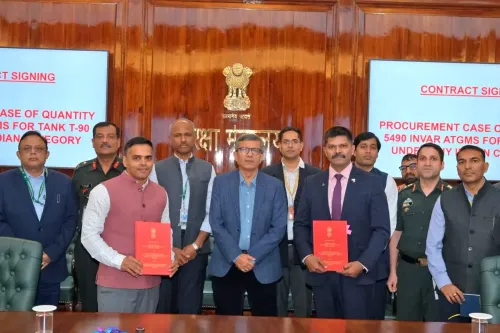
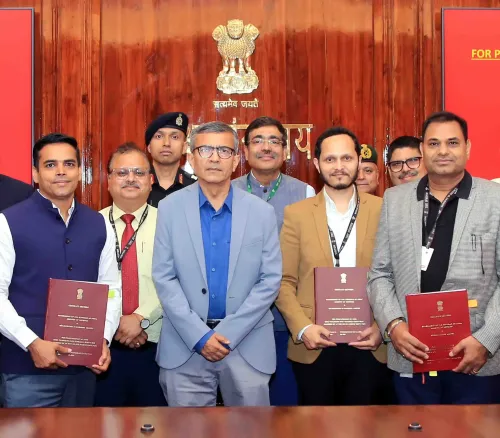
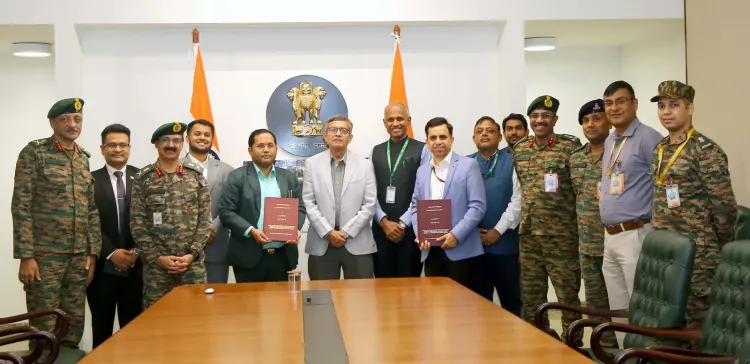
The Ministry of Defence on Friday, 14 August signed contracts worth approximately ₹1,577 crore with Tata Advanced Systems Limited and NIBE Private Limited for the procurement of Loiter Munition Systems, along with associated munitions and accessories, for the Indian Army. The acquisition is aimed at sharpening the combat edge of the Army's artillery regiments and bolstering overall operational readiness.
What the Contracts Cover
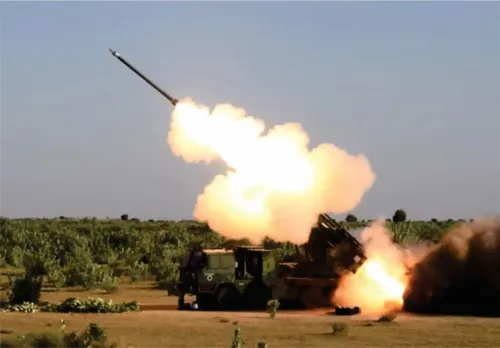
The deal encompasses the supply of Loiter Munition Systems along with munitions and other accessories. According to the Ministry of Defence, the Loiter Munition System is a critical battlefield asset engineered to enhance precision strike capabilities — able to locate, track, and engage targets with significantly greater accuracy than conventional artillery systems.
'The Loiter Munition System is a critical equipment developed to enhance the capability of the Artillery Regiments, thereby strengthening the overall operational effectiveness of the Indian Army,' the ministry stated.
Indigenous Manufacturing Push
The procurement is being executed under the Buy (Indian) category through the Fast Track Procedure, underscoring the government's emphasis on accelerating the induction of advanced military hardware while deepening domestic defence manufacturing. 'Being procured under the Buy (Indian) category through Fast Track Procedure, the acquisition will bolster the manufacturing capabilities of the Indian industry,' the ministry noted.
The contracts are also expected to give fresh momentum to the Aatmanirbhar Bharat initiative by incentivising the development and production of cutting-edge defence technologies within the country. Notably, both Tata Advanced Systems Limited and NIBE Private Limited are among a growing cohort of private-sector firms winning defence production mandates as India accelerates its shift away from import dependence.
Strategic Significance
Loiter munitions — often described as 'kamikaze drones' — have emerged as a decisive weapon system in recent conflicts globally, offering militaries the ability to conduct precision strikes on high-value targets with minimal collateral risk. India's move to induct them at scale into artillery regiments signals a doctrinal shift toward networked, precision-guided firepower.
This comes amid sustained efforts by the Centre to modernise the Indian Army's artillery capabilities, a process that has gathered pace since the 2020 Galwan Valley standoff exposed critical gaps in border combat readiness. The Fast Track Procedure route, typically reserved for urgent operational requirements, suggests the induction timeline is being treated with strategic priority.
What Happens Next
With contracts now signed, the focus shifts to delivery timelines and integration with existing artillery formations. Industry bodies have welcomed the contracts as a signal that the government is prepared to back private-sector defence manufacturers with large-ticket orders. How quickly the systems are inducted and operationalised will be the true measure of the programme's success.
Point of View
577-crore loiter munition contract is not just a procurement announcement — it is a doctrinal signal. India is formally embedding autonomous precision-strike capability into its artillery structure, a move that carries direct implications for its posture on the northern and western borders. What deserves scrutiny is the Fast Track Procedure designation: this route is meant for urgent operational needs, which raises the question of how acute the current gap is. The split between Tata Advanced Systems and NIBE also reflects a deliberate policy of spreading large defence mandates across the emerging private ecosystem — sound in principle, but execution risk multiplies when two vendors must deliver interoperable systems on compressed timelines.
NationPress
29 Sept 2026
Frequently Asked Questions
What are Loiter Munition Systems and why is the Indian Army procuring them?
Loiter Munition Systems are precision-guided aerial weapons — sometimes called kamikaze drones — that can locate, track, and strike targets autonomously. The Indian Army is procuring them to enhance the precision strike capability of its artillery regiments and improve operational effectiveness, particularly in high-altitude and border conflict scenarios.
Who are the companies awarded the ₹1,577-crore defence contracts?
The contracts have been awarded to Tata Advanced Systems Limited and NIBE Private Limited. Both are private-sector Indian defence manufacturers, and the deal is being executed under the Buy (Indian) category to support domestic defence production.
What is the Fast Track Procedure used for this procurement?
The Fast Track Procedure is a defence acquisition route used for urgent operational requirements, allowing faster clearances and shorter timelines compared to standard procurement processes. Its use here indicates that the induction of Loiter Munition Systems is being treated as a strategic priority by the government.
How does this contract support Aatmanirbhar Bharat?
By routing the procurement through the Buy (Indian) category, the contracts mandate domestic manufacturing, expanding the production capabilities of Indian private defence firms. This aligns with the Aatmanirbhar Bharat initiative, which aims to reduce India's dependence on imported military hardware.
What is the significance of this deal for Indian Army artillery?
The induction of Loiter Munition Systems marks a shift toward networked, precision-guided firepower within the Indian Army's artillery regiments. It addresses a capability gap that has gained urgency since the 2020 Galwan Valley standoff, bringing India's artillery doctrine closer to modern battlefield standards.