India's solar capacity hits 175 GW, up 62-fold since 2014

Synopsis
India's solar installed capacity has jumped 62-fold in just over a decade — from a modest 2.82 GW in 2014 to 175 GW by October 2026 — while domestic module manufacturing has scaled to 192 GW. With 21 lakh households now reporting zero electricity bills and India overtaking the US in annual solar additions in 2025, this is no longer a future bet — it is an infrastructure reality reshaping India's energy economics.
Key Takeaways
India's installed solar capacity rose 62-fold from 2.82 GW in 2014 to 175 GW by 31 October 2026 .
India added 44.61 GW in FY26 , nearly double the 23.83 GW added in FY25; 24.29 GW more was added in FY27 so far.
Solar module manufacturing capacity grew from 2.3 GW in 2014 to 192 GW by June 2026 .
Under PM Surya Ghar: Muft Bijli Yojana , about 65 lakh households were solarised; ₹28,024 crore disbursed by July 2026; over 21 lakh households reported zero electricity bills.
India added 37 GW in 2025 , surpassing the US in annual solar additions and becoming the world's second-largest solar growth market .
The government has approved 56 solar parks with a combined sanctioned capacity of 39,461 MW .
India's installed solar power capacity has surged approximately 62-fold — from 2.82 GW in 2014 to around 175 GW as of 31 October 2026 — making solar the single largest contributor to the country's renewable energy mix, according to an official release issued on Tuesday, 17 November 2026. The milestone underscores a decade-long policy push that has repositioned India among the world's top solar markets.
Record Capacity Additions
India added 44.61 GW of solar capacity during FY26, nearly doubling the 23.83 GW installed in the previous fiscal year. The momentum has continued into FY27, with 24.29 GW already commissioned — maintaining a broadly comparable pace. Notably, India added 37 GW of solar capacity during 2025 alone, surpassing the United States in annual additions and emerging as the world's second-largest solar growth market for that year.
Large-Scale Parks and Rooftop Growth
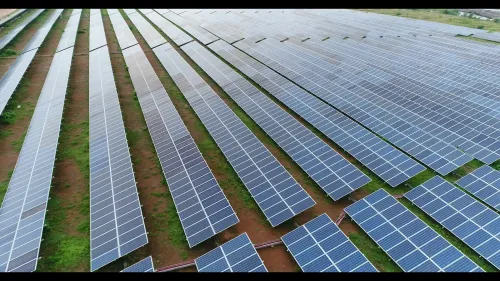
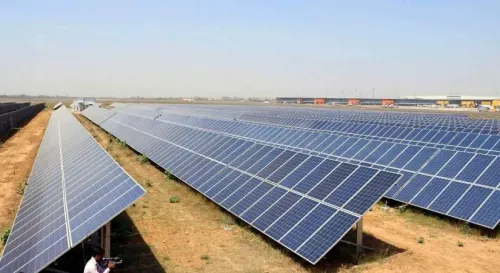
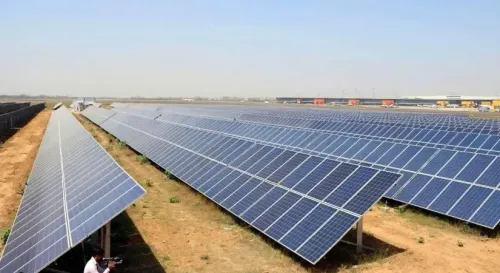
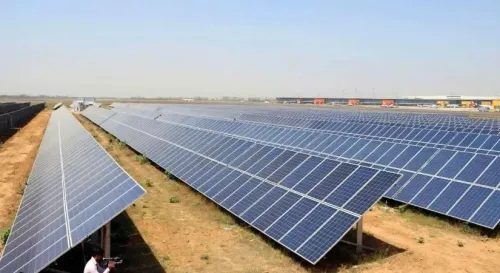
Large-scale utility projects account for 133 GW of the installed base, including the solar components of hybrid projects. Flagship installations include Rajasthan's Bhadla Solar Park, Karnataka's Pavagada Solar Park, and the Ananthapuramu and Kurnool solar parks in Andhra Pradesh. As of October 2026, the government had approved 56 solar parks with a combined sanctioned capacity of 39,461 MW across the country.
Rooftop solar systems connected to the electricity grid contribute a further 34.97 GW, with the balance coming from off-grid systems that extend electricity access to areas outside the main grid.
Manufacturing Scales Alongside Deployment
India's domestic solar manufacturing has kept pace with deployment. Solar module manufacturing capacity expanded from 2.3 GW in 2014 to approximately 172 GW by March 2026, and further to 192 GW by June 2026 — a near 83-fold rise that significantly reduces import dependence and strengthens supply-chain resilience.
PM Surya Ghar Scheme Reaches Households
Under the PM Surya Ghar: Muft Bijli Yojana, approximately 65 lakh households had been solarised as of November 2026. The government had disbursed ₹28,024 crore in central financial assistance by July 2026. Over 21 lakh households reported zero electricity bills by November 2026, according to the official statement.
The official release quoted: 'Growth in installed capacity, domestic manufacturing and distributed solar adoption reflects the sector's expanding reach. Policy support, infrastructure development and citizen participation are accelerating this transformation. Solar power is strengthening energy security, supporting economic development and advancing climate action.'
BRESE 2026 Highlights India's Global Role
These developments were highlighted at the Bharat Renewable Energy Summit & Expo (BRESE) 2026, held in New Delhi from 2 to 5 November 2026. The summit drew participants from over 130 countries, including policymakers, investors, industry executives, and researchers — signalling India's growing stature as a hub for global clean energy dialogue.
With domestic manufacturing capacity now outpacing installed capacity and household solarisation scaling rapidly, the trajectory points toward India testing its 500 GW renewable energy target by 2030 ahead of earlier projections.
Point of View
Not just a headline metric — but the real test is whether manufacturing scale and household solarisation translate into lasting energy security rather than capacity that sits idle. The gap between sanctioned park capacity and actual grid integration has historically been a pressure point. The PM Surya Ghar numbers — 21 lakh zero-bill households out of 65 lakh solarised — also raise a quiet question: what is the experience of the remaining 44 lakh? As India accelerates toward its 500 GW renewable target by 2030, quality of integration and grid reliability will matter as much as the nameplate gigawatts.
NationPress
17 Nov 2026
Frequently Asked Questions
How much has India's solar capacity grown since 2014?
India's installed solar capacity grew approximately 62-fold from 2.82 GW in 2014 to around 175 GW as of 31 October 2026, according to an official government release. Solar is now the single largest contributor to India's total renewable energy capacity.
What is PM Surya Ghar: Muft Bijli Yojana and how many households have benefited?
PM Surya Ghar: Muft Bijli Yojana is a central government scheme that subsidises rooftop solar installations for households. As of November 2026, about 65 lakh households had been solarised under the scheme, with over 21 lakh reporting zero electricity bills and ₹28,024 crore disbursed by July 2026.
How does India's solar growth compare globally?
India added 37 GW of solar capacity during 2025, surpassing the United States in annual additions and becoming the world's second-largest solar growth market for that year. India also added 44.61 GW in FY26, nearly doubling its previous year's additions.
How large is India's solar manufacturing sector?
India's solar module manufacturing capacity scaled from 2.3 GW in 2014 to approximately 172 GW by March 2026 and further to 192 GW by June 2026 — a near 83-fold increase. This rapid domestic expansion has reduced reliance on imported components.
What are India's major solar parks?
India's large-scale solar parks include Rajasthan's Bhadla Solar Park, Karnataka's Pavagada Solar Park, and the Ananthapuramu and Kurnool solar parks in Andhra Pradesh. As of October 2026, the government had approved 56 solar parks with a combined sanctioned capacity of 39,461 MW.