India to honour diesel export commitments amid global crunch, says Puri
Synopsis
As diesel prices spike worldwide due to the US-Iran war and Russia-Ukraine conflict, India is positioning itself as a reliable global supplier — not a bystander. With refining capacity at 267 MTPA and a roadmap to 320 MTPA by 2030–32, Minister Hardeep Singh Puri's pledge that 'India honours its commitments' carries real weight, and could reshape the country's role in global energy geopolitics.
Key Takeaways
Minister Hardeep Singh Puri confirmed India will honour diesel export commitments even if the US imposes export bans.
India's refining capacity stands at 267 MTPA , rising to 290 MTPA within a year and targeting 320 MTPA by 2030–32 .
All 107,000 domestic retail fuel outlets remained operational with no dry-outs, Puri said.
A potential US diesel export ban could push UK inflation up by 1 percentage point , with pump prices potentially hitting £3 per litre .
G7 nations plan to release up to 100 million barrels of diesel and oil over four months to ease global supply strains.
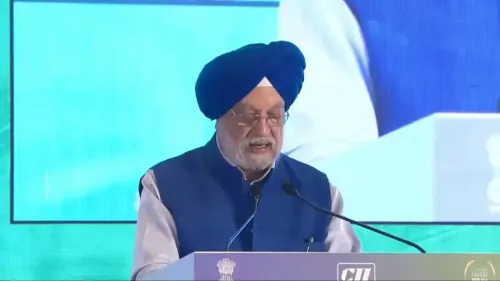
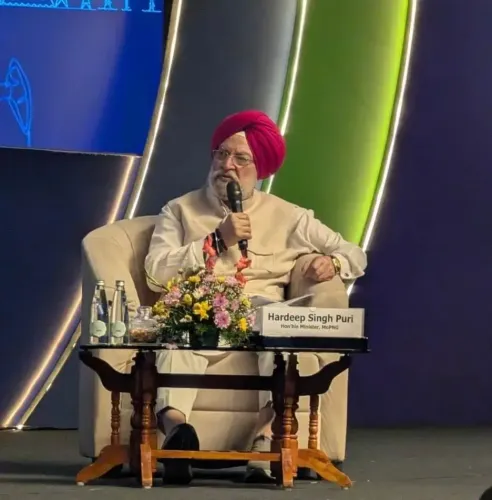
Petroleum and Natural Gas Minister Hardeep Singh Puri on 3 October 2026 declared that India will continue honouring its overseas diesel supply commitments even if the United States moves ahead with export bans — a signal of confidence as a dual crisis involving the US-Iran war and the ongoing Russia-Ukraine conflict squeezes the global diesel market. Speaking at a PAFI event in New Delhi, Puri pointed to India's expanding refining infrastructure as the backbone of that assurance.
India's Refining Capacity on an Upward Curve
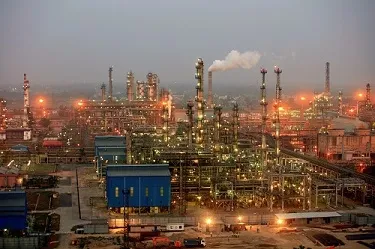
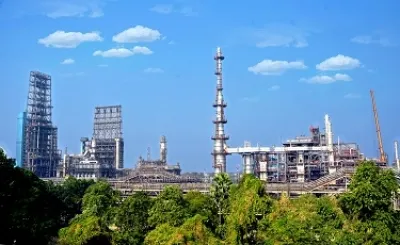
India's refining capacity currently stands at approximately 267 million tonnes per annum (MTPA). According to Puri, the country is on track to reach nearly 290 MTPA within the next year, with a longer-term target of 320 MTPA by 2030–32. He noted that while refining capacity is contracting in several regions globally, India is deliberately moving in the opposite direction — building new refineries and simultaneously upgrading existing facilities.
'India honours its commitments,' Puri stated at the event. His remarks came as industrial fuel prices rallied sharply — outpacing even crude oil gains — adding pressure on businesses, farmers, and consumers while stoking inflationary concerns worldwide.
Domestic Supply Holds Steady
Puri cited domestic supply stability as a point of pride, contrasting India's record with global volatility. 'In the US, diesel prices went up to $6. If you look at a neighbouring country — just compare the rates. Look at the prices in 2014, 2021, and 2026. This isn't just about political rhetoric. We have 107,000 retail outlets across the country; not a single one ran dry,' the minister said.
The remarks drew a pointed comparison between India's managed fuel distribution and the supply disruptions seen elsewhere, framing years of investment in refining as a strategic dividend now being paid out during a period of global stress.
Global Fallout: UK Inflation Warning and G7 Response
The ripple effects of the crisis are being felt far beyond West Asia. A potential US ban on diesel exports has alarmed economists in the United Kingdom, where average pump prices have already crossed £2 per litre ($2.7) for the first time. Forecasters warn that a prolonged ban could push prices to £3 per litre and add as much as one percentage point to UK inflation — reportedly strengthening the case for Bank of England interest-rate hikes.
In a coordinated response, Group of Seven (G7) nations are reportedly planning to release up to 100 million barrels of diesel and oil over the next four months to ease market strains. The announcement sent European diesel and Brent crude futures lower, offering some near-term relief to markets rattled by geopolitical uncertainty.
Why This Matters for India
India's strategic positioning as a net refining exporter during a global supply crunch marks a significant shift from its historically import-dependent energy posture. This comes amid a broader push to transform the country into a global energy hub — a narrative that aligns with both economic and diplomatic objectives. Notably, every major supply disruption since 2014 has tested India's downstream resilience; the current crisis appears to be the most severe yet in terms of its simultaneous geopolitical triggers.
With refining expansion targets in place and domestic supply intact, the government's immediate challenge is sustaining that stability as global diesel prices continue to diverge sharply from crude.
Point of View
And being a net exporter during a global crunch is a significant geopolitical leverage point. But the domestic picture deserves scrutiny: keeping 107,000 outlets stocked while simultaneously exporting at scale will require flawless logistics management as global prices remain elevated. The minister's comparison of 2014, 2021, and 2026 pump prices, while politically convenient, sidesteps questions about the subsidy burden that made domestic stability possible. As the G7 emergency release and Bank of England rate signals show, this is not a short-lived disruption — and India's energy credibility will be tested by sustained delivery, not a single event-day speech.
NationPress
3 Oct 2026
Frequently Asked Questions
Why is there a global diesel shortage in 2026?
The global diesel market is under severe strain due to the simultaneous impact of the US-Iran war and the ongoing Russia-Ukraine conflict, both of which have disrupted supply chains and caused industrial fuel prices to rally sharply — outpacing even crude oil gains. The supply squeeze is hitting businesses, farmers, and consumers worldwide while stoking inflationary pressures.
What did India's petroleum minister say about diesel exports?
Minister Hardeep Singh Puri stated at a PAFI event on 3 October 2026 that India 'honours its commitments' and will continue overseas diesel shipments even if the US proceeds with export bans. He cited India's expanding refining capacity and the uninterrupted functioning of all 107,000 domestic retail fuel outlets as evidence of supply resilience.
What is India's current and target refining capacity?
India's refining capacity currently stands at approximately 267 MTPA. The government projects it will reach nearly 290 MTPA within the next year, with a longer-term target of 320 MTPA by 2030–32, driven by new refinery construction and the modernisation of existing facilities.
How could a US diesel export ban affect the UK?
Economists warn that a US ban on diesel exports could push UK inflation to nearly 5%, with average pump prices — already above £2 per litre — potentially climbing to £3 per litre. A prolonged ban could add as much as one percentage point to UK inflation, reportedly strengthening the case for Bank of England interest-rate hikes.
What is the G7 doing to address the diesel crunch?
Group of Seven (G7) nations are reportedly planning to release up to 100 million barrels of diesel and oil over the next four months to ease global market strains. The announcement has already sent European diesel and Brent crude futures lower, offering some near-term relief to disrupted markets.