India–UK CETA takes effect: Exports, manufacturing set for major boost

Synopsis
After four years of negotiations, the India–UK CETA is finally live — and the scale of market access is striking. Zero duties on textiles, pharma, engineering goods, and 95% of agricultural products give Indian exporters a structural edge in the UK market that rivals from outside the agreement simply cannot match.
Key Takeaways
The India–UK Comprehensive Economic and Trade Agreement (CETA) came into effect on 15 July 2025 , after four years of negotiations.
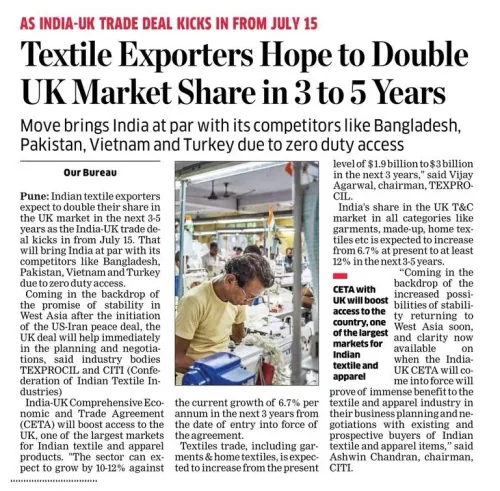
DGFT Anupam Kumar confirmed zero-duty UK access for textiles, garments, gems, jewellery, engineering goods, auto-components, pharma, and chemicals.
95 per cent of Indian agricultural and processed food products will receive zero-duty access to the UK market, according to APEDA's Dr.
Industry leaders including Vipin Vohra (Continental Carriers) and Amrit Manwani (Sahasra Group) called the pact a milestone for bilateral commerce.
The agreement follows India's earlier FTAs with the UAE and Australia , continuing a pattern of bilateral trade liberalisation.
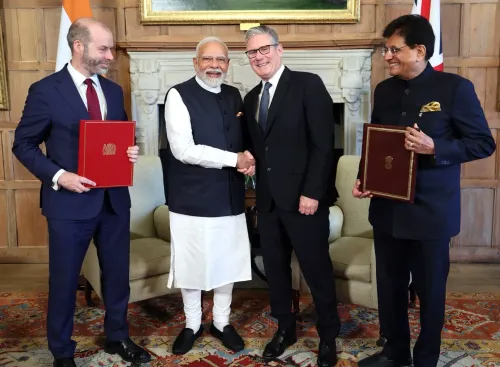
The India–UK Comprehensive Economic and Trade Agreement (CETA) came into effect on Wednesday, 15 July 2025, marking the culmination of four years of negotiations and opening zero-duty access for a wide range of Indian goods to the United Kingdom market. Industry experts, government officials, and exporters have broadly welcomed the pact, calling it a transformative step for India's global trade footprint.
What the Agreement Unlocks
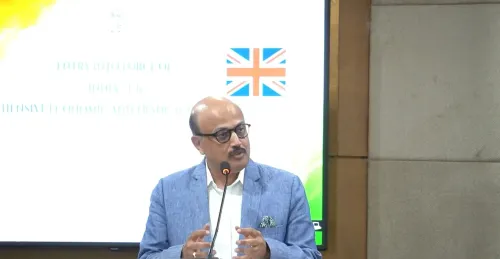
Director General of Foreign Trade (DGFT) Anupam Kumar confirmed the deal's operationalisation and outlined the sectors set to benefit most. 'The India-UK FTA is being implemented today. This agreement is a result of four years of negotiations. After this agreement, our products, which are value added products such as textiles, garments, apparels, in gems and jewellery such as diamonds, gold and silver articles, in engineering goods, auto-components and other machine parts, pharma products, chemical products, will get a huge boost because your products will get zero duty in the UK,' Kumar said.
The elimination of import duties on these categories gives Indian exporters a direct cost advantage over competitors in the UK market, particularly in labour-intensive sectors such as garments and gems processing.
Agriculture and Processed Foods Stand to Gain
Dr. Tarun Bajaj, Senior Consultant at the Agricultural and Processed Food Products Export Development Authority (APEDA), highlighted the scale of the agricultural benefit. 'Nearly 95 per cent of agricultural and processed food products will enjoy zero-duty access to the UK market, creating a significant competitive advantage,' Bajaj said. Indian Oilseeds and Produce Export Promotion Council (IOPEPC) Chairman Sandeep Bhura also welcomed the agreement, calling it particularly beneficial for the oilseeds and produce sector.
Industry and Business Leaders React
Vipin Vohra, Chairman of Continental Carriers Group of Companies, described the agreement's operationalisation as a significant milestone for businesses in both countries. Amrit Manwani, Chairman and Managing Director of Sahasra Group, termed it a win-win arrangement for both economies. Bharatiya Janata Party (BJP) Member of Parliament Mansukh Vasava said the pact reflects the government's efforts to strengthen India's position as a global economic power under Prime Minister Narendra Modi.
Broader Context and What Comes Next
The India–UK CETA is among the most significant bilateral trade agreements India has concluded in recent years, coming after deals with the UAE and Australia. Negotiations with the UK were particularly prolonged, spanning multiple British prime ministers and stalling repeatedly over sensitive issues including professional mobility and Scotch whisky tariffs. The final text reflects compromises on both sides. Exporters will now be watching closely for the implementation of Rules of Origin requirements and customs facilitation measures, which will determine how quickly the zero-duty benefits translate into actual shipment gains. Industry bodies are expected to issue sector-specific guidance in the coming weeks.
Point of View
But the real test lies in implementation. Zero-duty access means little if Rules of Origin compliance burdens are high or if customs facilitation lags — both areas where earlier Indian FTAs have underperformed. The 95% zero-duty coverage for agriculture is the headline number, but the fine print on quotas, sanitary standards, and phytosanitary requirements will determine whether Indian agri-exporters actually capture the opportunity. India's FTA track record with ASEAN and South Korea showed that preferential access does not automatically translate into export growth without supply-side readiness. The government and industry bodies now need to shift focus from deal-signing to deal-utilisation.
NationPress
14 Oct 2026
Frequently Asked Questions
What is the India–UK CETA?
The India–UK Comprehensive Economic and Trade Agreement (CETA) is a bilateral free trade deal that came into effect on 15 July 2025, after four years of negotiations. It grants zero or reduced import duties on a wide range of Indian goods entering the UK market, covering textiles, pharmaceuticals, gems, engineering goods, and agricultural products.
Which Indian sectors benefit most from the India–UK trade agreement?
Textiles, garments, gems and jewellery, engineering goods, auto-components, pharmaceuticals, chemicals, and agricultural and processed food products are the primary beneficiaries. According to APEDA, nearly 95 per cent of agricultural and processed food items will enjoy zero-duty UK access.
What did DGFT Anupam Kumar say about the agreement?
DGFT Anupam Kumar confirmed the agreement came into force on 15 July and said value-added Indian products — including textiles, diamonds, gold articles, pharma, and auto-components — will now attract zero duty in the UK, giving them a significant competitive boost.
How does the India–UK CETA compare to India's other recent trade deals?
The India–UK CETA follows bilateral agreements with the UAE and Australia, continuing India's push for preferential market access with major economies. The UK deal is notable for its breadth, covering both goods and professional mobility, and was among the more complex negotiations India has undertaken in recent years.
What should exporters watch for after the CETA takes effect?
Exporters should monitor Rules of Origin requirements, customs facilitation procedures, and sector-specific implementation guidelines expected from industry bodies in the coming weeks. These operational details will determine how quickly the zero-duty benefits convert into actual export gains.