India-UK CETA Day 1: Exports worth $140 million flagged off from 20+ ports
Synopsis
On the first day of the India–UK CETA taking effect, over 50 consignments worth more than $140 million left Indian shores — from Mundra to Hyderabad — under zero-duty preferential terms. With £25 billion in annual bilateral trade uplift projected and a companion social security pact also live, this is India's most consequential trade agreement in years, and Day 1 numbers suggest exporters were ready.
Key Takeaways
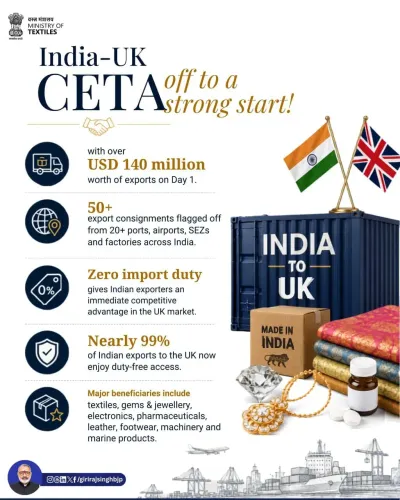
The India–UK CETA came into force on 15 July 2025 , with over $140 million in exports dispatched on Day 1.
More than 50 consignments were flagged off from over 20 ports, airports, ICDs, SEZs, and factories across India.
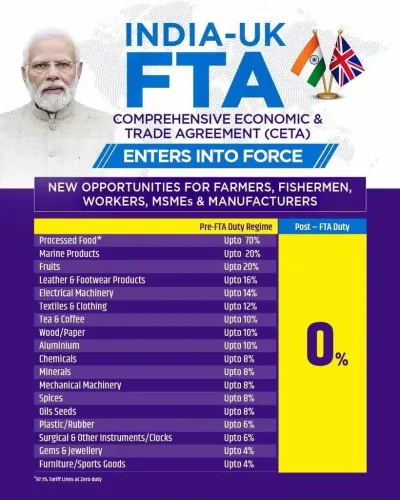
The agreement provides zero-duty access for nearly 99% of India's exports, covering almost 100% of trade value.
The Double Contribution Convention (DCC) also entered into force simultaneously, exempting Indian professionals in the UK from double social security contributions for up to 5 years .
Bilateral trade is projected to rise by over £25 billion annually over the long term, with a £5 billion annual GDP boost for both nations.
Key beneficiary sectors include textiles, pharmaceuticals, gems and jewellery, IT services , and MSMEs .
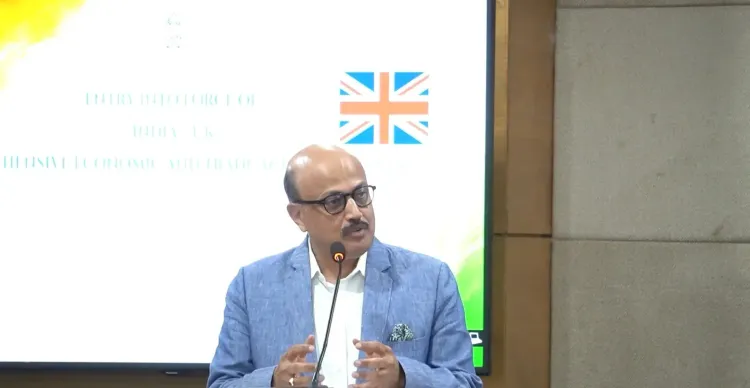
Export consignments worth over $140 million were dispatched across India on the first day of the India–United Kingdom Comprehensive Economic and Trade Agreement (CETA) coming into force on Wednesday, 15 July 2025, marking a landmark moment in bilateral trade between the two nations. The milestone was celebrated with a formal inauguration at Vanijya Bhawan, New Delhi, attended by senior officials and trade representatives from both countries.
Day 1 by the Numbers
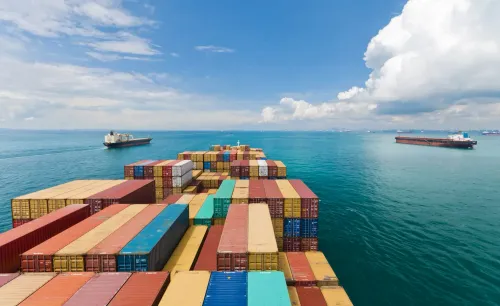
Over 50 export consignments valued at more than $140 million were flagged off from more than 20 ports, airports, Inland Container Depots (ICDs), Special Economic Zones (SEZs), and factories across the country. Shipments departed from major seaports including Mundra, Nhava Sheva, and Chennai, as well as air cargo complexes at Mumbai (Sahar), Kolkata, and Hyderabad.
The consignments spanned a broad product basket — electronics, pharmaceuticals, and gems and jewellery among the key categories. Commerce Secretary Rajesh Agrawal expressed confidence that sustained utilisation of the agreement would strengthen India–UK trade and encourage other trade initiatives currently under consideration.
What the Agreement Covers
The CETA provides zero-duty market access for nearly 99 per cent of India's exports to the United Kingdom, covering almost 100 per cent of trade value. Sectors set to benefit include textiles, leather, gems and jewellery, engineering goods, marine products, chemicals, and processed foods. The agreement also opens new avenues for India's IT, professional, financial, education, and business services sectors, while expanding mobility for Indian talent in the UK.
Alongside CETA, the Agreement on Social Security — also known as the Double Contribution Convention (DCC) — formally entered into force on the same day. The DCC exempts Indian professionals on temporary assignments in the United Kingdom from double social security contributions for up to five years, directly enhancing the competitiveness of India's global workforce.
What the Government Said
Commerce and Industry Minister Piyush Goyal, in a post on X, described the entry into force of both agreements as 'a defining milestone in India–UK relations.' He credited the development to the leadership of Prime Minister Narendra Modi and expressed appreciation to his UK counterpart and both negotiating teams.
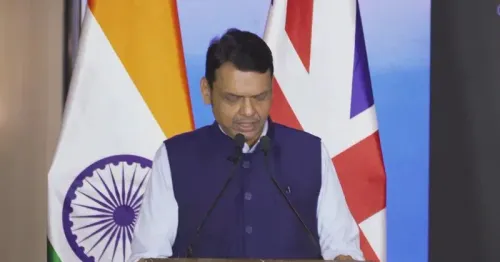
British High Commissioner to India Lindy Cameron, speaking at the inauguration, called the occasion 'a historic milestone and a testament to the elevated UK–India bilateral relationship.' She noted that the agreement is expected to increase bilateral trade by over £25 billion annually over the long term and contribute nearly £5 billion annually to both UK GDP and Indian GDP.
Impact on MSMEs, Farmers and Professionals
Officials highlighted that the agreement is specifically structured to benefit MSMEs, farmers, and manufacturers — segments that have historically faced tariff barriers in accessing the UK market. The preferential tariff regime under CETA is designed to make trade 'simpler, quicker and more cost-effective,' according to Cameron.
This comes amid India's broader push to diversify its trade partnerships and reduce dependence on any single market. The India–UK CETA, years in negotiation, is widely regarded as one of the most comprehensive bilateral trade agreements India has signed to date. With implementation now live, attention shifts to how quickly Indian exporters scale utilisation of the preferential tariff framework.
Point of View
Not a verdict — it reflects pre-positioned consignments by exporters who had prepared for this moment, not organic trade growth. The real test of CETA's value will come in quarters two and three, when utilisation rates among MSMEs — who lack the compliance infrastructure to navigate preferential tariff documentation — become visible. India's past FTAs, including those with ASEAN and South Korea, saw utilisation rates well below potential for years after entry into force. The Double Contribution Convention is the less-discussed but arguably more immediately impactful provision: for India's IT services sector, eliminating double social security costs on UK-deputed professionals is a direct margin improvement. That is where early wins are most likely to show up in earnings data.
NationPress
14 Oct 2026
Frequently Asked Questions
What is the India–UK CETA?
The India–UK Comprehensive Economic and Trade Agreement (CETA) is a bilateral free trade agreement that provides zero-duty market access for nearly 99% of India's exports to the United Kingdom, covering almost 100% of trade value. It came into force on 15 July 2025 and is one of the most comprehensive trade agreements India has signed.
How much was exported on the first day of India–UK CETA?
Over $140 million worth of goods were exported on the first day of CETA coming into force, with more than 50 consignments flagged off from over 20 ports, airports, ICDs, SEZs, and factories across India. Key products included electronics, pharmaceuticals, and gems and jewellery.
What is the Double Contribution Convention (DCC) that came into force alongside CETA?
The Double Contribution Convention, also called the Agreement on Social Security, exempts Indian professionals on temporary assignments in the United Kingdom from paying social security contributions in both countries for up to five years. It entered into force on the same day as CETA, 15 July 2025.
Which sectors benefit most from the India–UK CETA?
Key beneficiary sectors include textiles, leather, gems and jewellery, engineering goods, marine products, chemicals, processed foods, and IT and professional services. MSMEs, farmers, and manufacturers are also expected to gain from preferential tariff access to the UK market.
What is the projected long-term impact of the India–UK CETA on bilateral trade?
The agreement is projected to increase bilateral trade by over £25 billion annually over the long term, with a contribution of nearly £5 billion annually to both UK GDP and Indian GDP, according to British High Commissioner Lindy Cameron.