India-US trade deal nearing conclusion, signing hinges on US tariff clarity
Synopsis
India's Commerce Secretary says the India-US trade deal legal text is done and talks are nearly complete — but the signing clock is frozen until Washington sorts out its tariff regime following a US Supreme Court ruling. The bottleneck is entirely on the American side, and how fast the US resolves its domestic tariff architecture will determine whether this deal closes in 2026 or slips into 2027.
Key Takeaways
Commerce Secretary Rajesh Agrawal confirmed the India-US trade deal is at an advanced stage with the legal text already negotiated, as of 18 November 2026 .
Three major aspects of the deal are nearly finalised; the signing awaits clarity on the US tariff regime following a US Supreme Court ruling that struck down the previous structure.
India is simultaneously engaged in multiple trade negotiations with other countries and regions, expected to gain momentum in the coming weeks.
Gold imports are projected at $30-40 billion this year, with the existing import duty structure described as having a positive impact on moderating inflows.
Agrawal deferred any decision on revising gold import duties to the Department of Revenue .
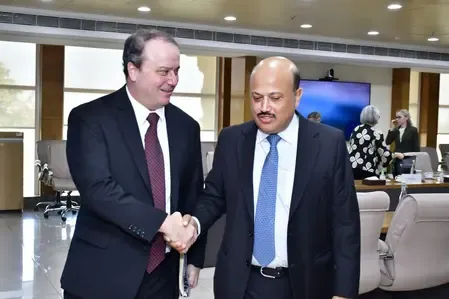
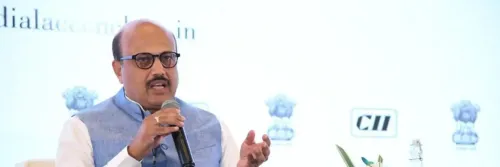
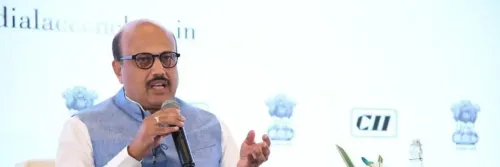
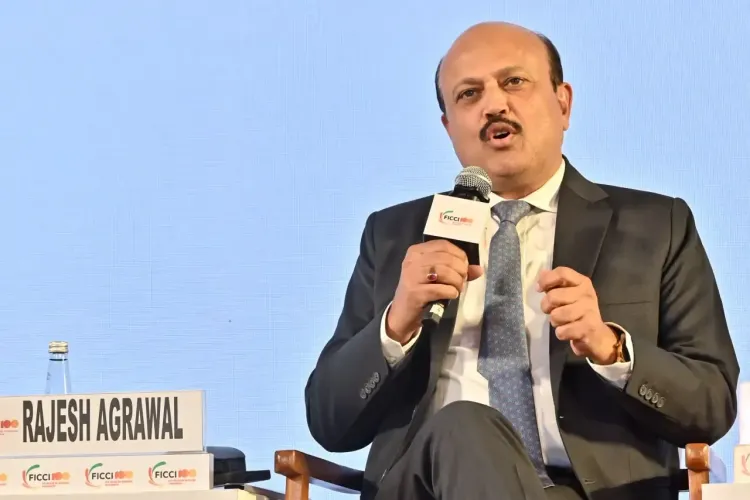
Commerce Secretary Rajesh Agrawal on Wednesday, 18 November 2026 confirmed that India and the United States are close to finalising a bilateral trade agreement, with three major aspects of the deal nearly resolved and the legal text already negotiated. Speaking at the FICCI Annual General Meeting and Annual Convention curtain raiser panel titled 'India's Next Leap: Reforms, Competitiveness and Growth' in New Delhi, Agrawal said the pact's formal signing awaits greater clarity on the evolving US tariff regime.
Where the Deal Stands
'The India-US trade agreement is at an advanced stage, with the legal text negotiated and discussions nearing completion,' Agrawal said. He added that all parties are striving to conclude negotiations 'as soon as possible.' The Commerce Secretary described overall progress as approaching its final stages, with no major substantive blockage remaining on India's side.
The US Tariff Uncertainty Factor
Agrawal pointed to a critical complication: the US Supreme Court has struck down the previous US tariff structure, creating uncertainty over what the future American tariff regime will look like. Until that clarity emerges, negotiators are unable to formally close the pact. This external variable — originating in Washington's domestic legal landscape — is now the principal bottleneck. Notably, this is not the first time US domestic policy shifts have delayed the India-US trade roadmap; earlier rounds of talks stalled repeatedly over agricultural market access and digital trade rules.
India's Broader Trade Agenda
Beyond the US deal, Agrawal indicated that India is simultaneously engaged in multiple trade negotiations with countries and regional blocs. Several of these are currently under review and are expected to gather momentum in the coming weeks and months. This aligns with India's strategy of diversifying its trade partnerships amid a shifting global order.
Gold Imports: Manageable but Monitored
On a separate note, Agrawal said India's gold imports are expected to remain at around $30-40 billion this year, with the existing import duty structure having a positive impact on moderating inflows. He welcomed the recent easing in gold prices but cautioned that gold imports will continue given the metal's deep integration into global commodity trade. Asked whether the government was considering raising import duties on gold, he deferred to the Department of Revenue. 'I am not a designated person to comment on it. I leave it to the Department of Revenue to decide. But I think the current duty structure is holding on and has had a positive impact on imports,' he said.
What Happens Next
The India-US trade deal timeline now rests significantly on how quickly Washington resolves its internal tariff framework following the Supreme Court ruling. Trade observers note that any prolonged legal or legislative delay in the US could push the signing further into 2027. India's negotiators, by all accounts, appear ready — the waiting game is on the other side of the Pacific.
Point of View
Washington is not. The US Supreme Court's striking down of the previous tariff structure is a domestic legal complication that New Delhi has no leverage over, and that vulnerability — being hostage to American political and judicial timelines — is exactly the kind of structural risk that rarely surfaces in official optimism. India's simultaneous multi-front trade diplomacy suggests the government is hedging wisely, but the US deal remains the centrepiece given the scale of bilateral trade. If tariff clarity takes months rather than weeks, the deal risks becoming a 2027 story, with all the geopolitical recalibration that could entail.
NationPress
18 Nov 2026
Frequently Asked Questions
How close is the India-US trade deal to being signed?
The India-US trade deal is at an advanced stage, with the legal text already negotiated and three major aspects nearly finalised, according to Commerce Secretary Rajesh Agrawal on 18 November 2026. The formal signing awaits clarity on the US tariff framework following a US Supreme Court ruling.
What is blocking the India-US trade deal from being signed?
The principal blockage is uncertainty over the US tariff regime after the US Supreme Court struck down the previous American tariff structure. Negotiators need to understand what the new US framework will look like before formally concluding the pact.
What did Commerce Secretary Rajesh Agrawal say about gold imports?
Agrawal said India's gold imports are expected to remain manageable at around $30-40 billion in 2026, aided by the existing import duty structure. He welcomed the recent moderation in gold prices but noted that gold's global commodity status limits the extent to which imports can be controlled.
Is the government planning to raise import duty on gold?
Commerce Secretary Agrawal declined to comment on any potential duty revision, stating the decision rests with the Department of Revenue. He added that the current duty structure 'is holding on and has had a positive impact on imports.'
What other trade deals is India currently negotiating?
Agrawal indicated India is engaged in several simultaneous trade negotiations with various countries and regional blocs. Several of these are under review and are expected to gain momentum in the coming weeks and months, though he did not name specific partners.