Indian Railways ranks world's second-largest freight carrier; DFCs, electrification drive growth
Synopsis
Indian Railways has locked in its rank as the world's second-largest freight carrier — not by accident, but through a deliberate stack of dedicated corridors, full electrification, and ₹10,000 crore in private terminal investment. With 1.7 billion tonnes hauled in FY26 and coal supply to power plants up 20 per cent in July alone, the network is now a genuine logistics competitor to road, not just a legacy infrastructure asset.
Key Takeaways
Indian Railways is now the world's second-largest freight carrier , operating across a network of over 68,000 km .
Approximately 1.7 billion tonnes of freight was handled in FY 2025-26 .
Iron ore loading rose 22.2% and coal supply to power plants jumped 20% year-on-year in July 2026 .
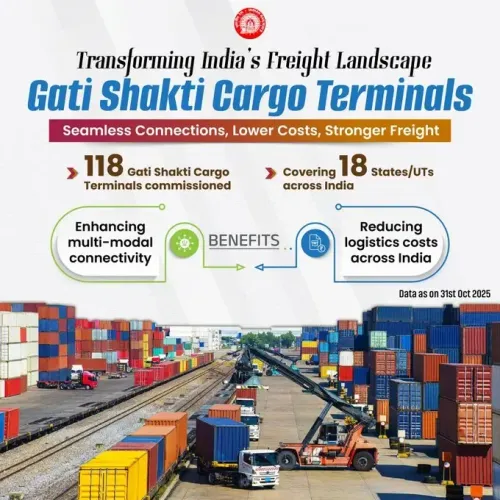
142 Gati Shakti Cargo Terminals commissioned as of 7 August , with capacity of 224 MTPA and private investment of ₹10,000 crore .
Rail freight costs roughly 45% less per tonne-km than road; one train replaces over 300 trucks .
Full broad-gauge electrification has cut carbon emissions by nearly 70% versus road transport.
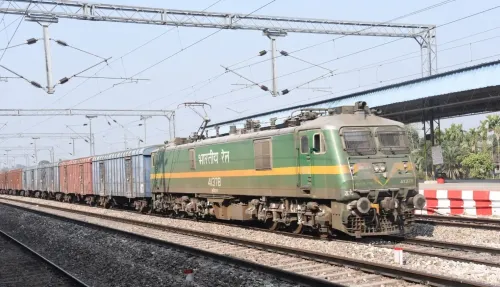
Indian Railways has consolidated its position as the world's second-largest freight carrier, backed by a rail network spanning over 68,000 km, dedicated freight corridors, full broad-gauge electrification, and policy-driven logistics reforms. The milestone reflects years of structural investment in capacity and sustainability, according to data from the Ministry of Railways.
Dedicated Freight Corridors Unlock Capacity
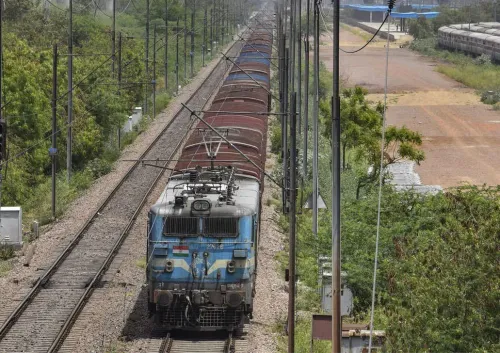
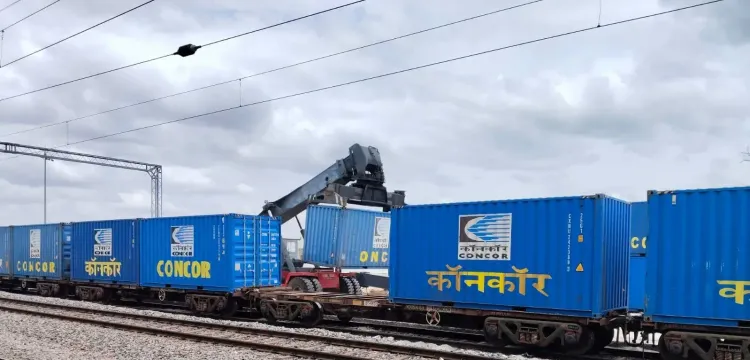
The commissioning of the Eastern Dedicated Freight Corridor (EDFC) and the Western Dedicated Freight Corridor (WDFC) has been transformative. These corridors enable heavy-haul and double-stack container train operations, significantly expanding throughput while freeing up conventional routes for passenger services. Long-haul freight trains on these corridors carry up to 360 TEUs, cutting transit times by as much as 50 per cent.
Bulk Commodities Power Freight Volumes
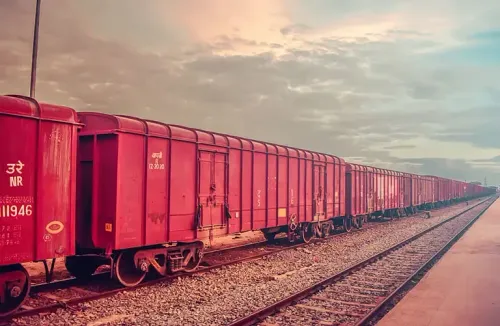
Bulk cargo remains the backbone of rail freight. Coal alone accounts for nearly half of total freight movement, with iron ore, cement, foodgrains, and fertilisers making up a substantial share of the remainder. According to Railways Ministry data, multiple major commodity groups posted strong year-on-year growth in July 2026: iron ore loading rose 22.2 per cent, coal 11.5 per cent, food grains 11.5 per cent, fertilisers 12 per cent, and other goods 12.1 per cent.
Notably, with rising demand at thermal power plants, Indian Railways ramped up domestic coal supply to power stations by 20 per cent in July 2026 compared to the same month in the previous year. Overall, approximately 1.7 billion tonnes of freight was handled during FY 2025-26.
Cost and Efficiency Advantage Over Road
Rail freight is estimated to cost roughly 45 per cent less than road transport on a per tonne-kilometre basis. A single freight train can replace more than 300 trucks, easing pressure on highway infrastructure while lowering logistics costs for industries. This cost differential has made railways an increasingly attractive option for manufacturers and commodity traders alike.
PM Gati Shakti and Private Investment
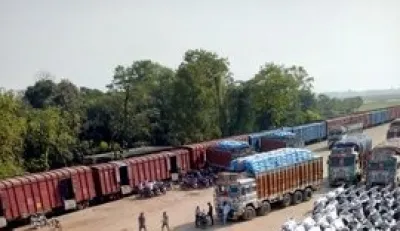
Government initiatives including PM Gati Shakti and the National Logistics Policy are accelerating the modal shift from road to rail. As of 7 August, 142 Gati Shakti Cargo Terminals (GCTs) have been commissioned, with a combined freight-handling capacity of 224 million tonnes per annum (MTPA). These terminals have mobilised private investment of approximately ₹10,000 crore. Freight handled at GCTs during 2025-26 reached 146 MT, according to government data. Container Corporation of India (CONCOR) and other logistics operators have been central to this transition.
Electrification and Sustainability Gains
With the broad-gauge network now fully electrified, Indian Railways has sharply reduced its dependence on fossil fuels. The shift to electric traction, combined with double-stack container services, has lowered carbon emissions by nearly 70 per cent compared with equivalent road transport — a significant sustainability credential as global supply chains face mounting pressure to decarbonise.
As infrastructure investment deepens and private participation grows through GCTs and logistics parks, Indian Railways is positioned to further expand its share of national freight movement in the years ahead.
Point of View
But the structural question is whether volume growth is translating into system-wide efficiency gains or simply reflecting captive bulk commodity demand — coal alone is nearly half the load. The dedicated freight corridors are a genuine game-changer, yet their utilisation rates and on-time performance data remain underreported. The ₹10,000 crore mobilised through Gati Shakti terminals is a positive signal for private participation, but 142 terminals handling 146 MT against a stated capacity of 224 MTPA suggests headroom is not yet being fully captured. The 70 per cent emissions reduction claim versus road is credible in principle, but depends heavily on the electricity grid's own carbon intensity — a figure that improves as renewable capacity scales. The real test of this freight story is not the ranking; it is whether logistics costs for Indian manufacturers fall measurably over the next three years.
NationPress
7 Oct 2026
Frequently Asked Questions
How did Indian Railways become the world's second-largest freight carrier?
Indian Railways reached this position through a combination of its vast 68,000-km network, the commissioning of the Eastern and Western Dedicated Freight Corridors, full broad-gauge electrification, and government policies such as PM Gati Shakti and the National Logistics Policy. The network handled approximately 1.7 billion tonnes of freight in FY 2025-26.
What commodities does Indian Railways carry most?
Coal is the single largest commodity, accounting for nearly half of total freight movement. Iron ore, cement, foodgrains, and fertilisers together make up a substantial portion of the remaining cargo traffic.
What are Gati Shakti Cargo Terminals and how many have been built?
Gati Shakti Cargo Terminals (GCTs) are private freight terminals developed under the PM Gati Shakti initiative to shift cargo from roads to railways. As of 7 August, 142 GCTs have been commissioned with a combined capacity of 224 MTPA, mobilising approximately ₹10,000 crore in private investment.
How does rail freight compare to road transport on cost and emissions?
Rail freight costs roughly 45 per cent less than road transport on a per tonne-kilometre basis. A single freight train can replace more than 300 trucks, and the fully electrified network produces nearly 70 per cent lower carbon emissions compared with equivalent road haulage.
What freight growth did Indian Railways record in July 2026?
According to Railways Ministry data, iron ore loading grew 22.2 per cent year-on-year in July 2026, coal rose 11.5 per cent, food grains 11.5 per cent, fertilisers 12 per cent, and other goods 12.1 per cent. Coal supply to thermal power plants specifically jumped 20 per cent over the same month in the previous year.