Indian Railways freight loading up 5.4% in August 2026, passenger traffic hits 67 crore
Synopsis
Indian Railways loaded 137.9 million tonnes of freight in August 2026 — a 5.4% year-on-year jump — while passenger numbers hit 67.27 crore and 14 more Amrit Bharat services were regularised. With 149 Gati Shakti terminals now operational and suburban ridership surging 9%, the numbers point to the most broad-based rail demand uptick in recent months.
Key Takeaways
Indian Railways loaded 137.9 million tonnes of freight in August 2026 , a 5.4% year-on-year rise.
Freight revenue grew 6.27% year-on-year, outpacing volume growth.
Iron ore led commodity gains at 12.1% ; domestic containers rose 9.2% ; coal up 6% .
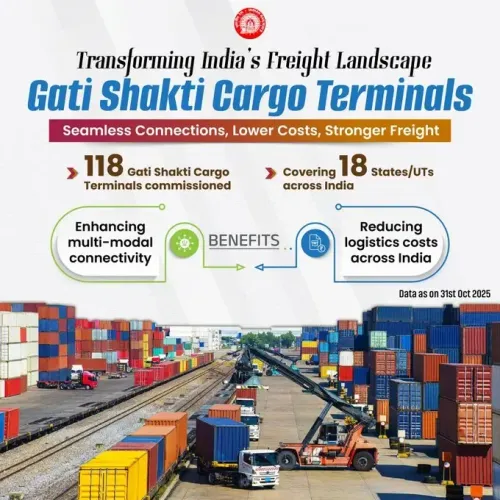
Five new Gati Shakti Cargo Terminals were commissioned, taking the cumulative total to 149 as of 31 August 2026 .
The network carried 67.27 crore passengers , with suburban traffic surging 9.02% to 38.01 crore .
14 Amrit Bharat services were regularised, taking the total fleet to 86 services .
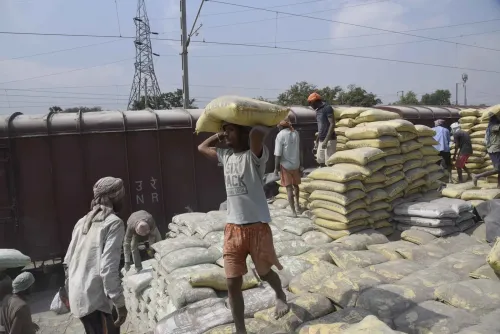
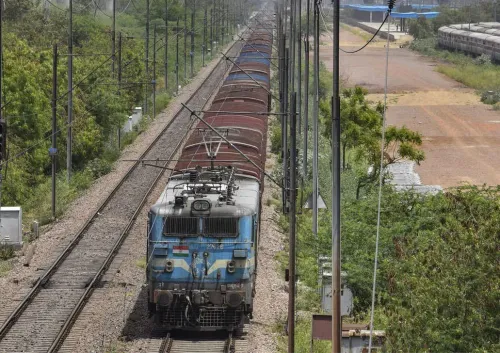
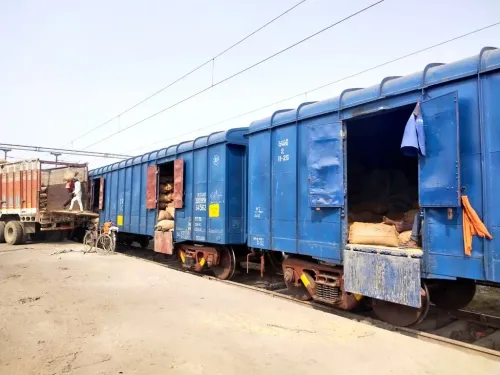
Indian Railways recorded a 5.4% year-on-year rise in freight loading in August 2026, loading 137.9 million tonnes compared with 130.9 million tonnes in the same month last year, according to the Ministry of Railways. Passenger traffic also grew during the month, with the network carrying 67.27 crore passengers, underscoring sustained demand for rail-based transportation across the country.
Freight Growth: Commodity-Wise Breakdown
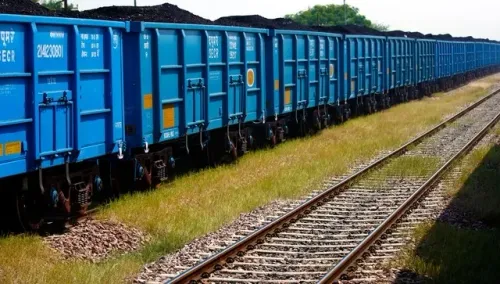
Freight revenue rose 6.27% year-on-year in August, outpacing volume growth — a sign of improving realisations. Iron ore led commodity-level gains with a 12.1% rise, followed by clinker at 10.4% and domestic containers at 9.2%. Coal loading grew 6%, while finished steel was up 4.9%. Mineral oil and fertilizers recorded more modest gains of 3.1% and 1.6%, respectively. Loading across 'other goods' categories expanded 8.2%.
The broad-based commodity uptick suggests that rail freight is capturing a larger share of industrial logistics — a key policy objective under the National Rail Plan, which targets increasing rail's share of freight from roughly 27% to 45% by 2030. Notably, the strength in domestic containers signals growing traction for rail-based intermodal logistics, which has been a focus of private terminal investments in recent years.
Gati Shakti Cargo Terminals Expand to 149
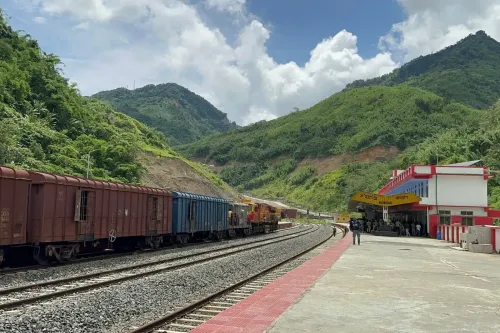
Indian Railways commissioned five new Gati Shakti Cargo Terminals (GCTs) during August, located at Shivlakha in Gujarat, Nalli in Tamil Nadu, Shaktinagar in Uttar Pradesh, Deoragram in Madhya Pradesh, and Brajrajnagar in Odisha. With these additions, the cumulative count of commissioned GCTs reached 149 as of 31 August 2026.
The GCT network is designed to bring freight-handling infrastructure closer to production and consumption hubs, reducing road dependency for first- and last-mile cargo movement. This comes amid a broader government push to cut logistics costs — currently estimated at around 8-9% of GDP — through modal shift to rail.
Passenger Traffic: Suburban Services Drive Growth
On the passenger side, the network carried 67.27 crore passengers in August 2026, up from 64.43 crore in August 2025. Suburban traffic was the standout performer, rising 9.02% to 38.01 crore passengers from 34.89 crore a year earlier — reflecting growing urban commuter dependence on rail, particularly in metro regions.
This is consistent with a multi-month trend of suburban ridership outpacing intercity growth, likely driven by urban expansion and the relative affordability of suburban rail compared with road-based commuting options.
Amrit Bharat Fleet Grows to 86 Services
Indian Railways regularised 14 Amrit Bharat services during August, taking the total operational count to 86. The newly regularised routes span major corridors including Subedarganj–Lokmanya Tilak Terminus, Gorakhpur–Bandra Terminus, Gorakhpur–Delhi Junction, Ahmedabad–Bhagalpur, Lokmanya Tilak Terminus–Prayagraj Junction, Prayagraj Junction–Udhna Junction, and Dhanbad–Coimbatore.
The Amrit Bharat trains, positioned as an affordable long-distance alternative between Vande Bharat and conventional express services, are intended to improve connectivity to smaller towns. The regularisation of 14 services in a single month is among the fastest expansion bursts for the category since its launch, and points to the railway's intent to scale the fleet well beyond 100 services by the end of the financial year.
Point of View
Not just more tonnage. The surge in domestic containers deserves closer attention: it is a proxy for the health of rail-based intermodal logistics, a segment the government has staked significant policy capital on. The suburban ridership spike of over 9% is also understated in the headline figures — it points to structural urban commuter demand that will require sustained rolling-stock and infrastructure investment to absorb without quality degradation. The real test for the Amrit Bharat expansion will be whether regularisation translates into reliable punctuality on these new routes, a metric that official data does not currently front.
NationPress
13 Sept 2026
Frequently Asked Questions
How much freight did Indian Railways load in August 2026?
Indian Railways loaded 137.9 million tonnes of freight in August 2026, a 5.4% increase compared with 130.9 million tonnes in August 2025. Freight revenue also rose 6.27% year-on-year during the same period.
Which commodities drove freight growth in August 2026?
Iron ore recorded the highest growth at 12.1%, followed by clinker at 10.4%, domestic containers at 9.2%, and coal at 6%. Finished steel rose 4.9%, while mineral oil and fertilizers grew 3.1% and 1.6% respectively.
What are Gati Shakti Cargo Terminals and how many are now operational?
Gati Shakti Cargo Terminals (GCTs) are rail freight-handling facilities positioned close to production and consumption centres to improve cargo movement efficiency. As of 31 August 2026, a total of 149 GCTs are operational after five new terminals were commissioned during the month.
How many passengers did Indian Railways carry in August 2026?
Indian Railways carried 67.27 crore passengers in August 2026, up from 64.43 crore in August 2025. Suburban passenger traffic grew 9.02%, rising to 38.01 crore from 34.89 crore a year earlier.
What is the current total number of Amrit Bharat services?
As of August 2026, Indian Railways operates 86 Amrit Bharat services after regularising 14 new routes during the month. The newly added routes include corridors such as Gorakhpur–Bandra Terminus, Ahmedabad–Bhagalpur, and Dhanbad–Coimbatore.