India's pumped storage pipeline hits 100.81 GW, targeting 2035–36 grid boost
Synopsis
India has a pumped storage pipeline of over 100 GW targeted for commissioning by 2035–36 — one of the world's largest such buildouts — as the country races to back its solar and wind boom with long-duration storage. With only 7.43 GW operational today, the gap between ambition and reality is vast, and execution speed will define whether India's 500 GW renewable target by 2030 holds up under grid pressure.
Key Takeaways
India has 100.81 GW of pumped storage capacity envisaged for commissioning by 2035–36 , per an official factsheet dated 19 October 2026 .
Cumulative PSP capacity under development, including operational and under-construction stages, stands at nearly 105.56 GW .
As of August 2026 , 7.43 GW is operational across 10 projects ; a further 15.87 GW across 11 projects is under construction.
India has identified 320 PSPs with a combined potential of 345.38 GW across all five regions.
The CEA projects a storage requirement of 73.93 GW by 2031–32, split between 26.69 GW from PSPs and 47.24 GW from BESS.
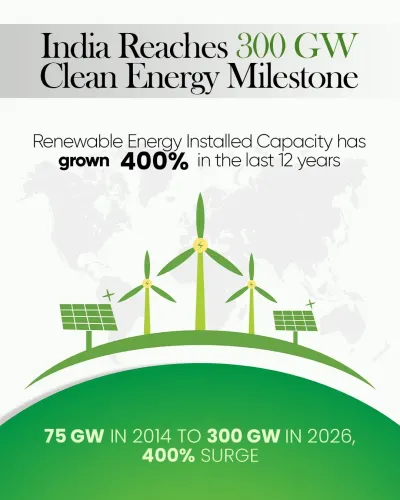
India crossed 300 GW of non-fossil fuel capacity as of July 2026 and is targeting 500 GW by 2030 .
India is set to commission 100.81 gigawatts (GW) of pumped storage project (PSP) capacity by 2035–36, according to an official factsheet released on Monday, 19 October 2026. The sweeping pipeline spans operational, under-construction, and appraisal stages, pushing cumulative PSP capacity under development to nearly 105.56 GW — a scale that could fundamentally reshape how India balances its fast-growing renewable electricity grid.
Current State of Play
As of August 2026, India has 7.43 GW of operational PSP capacity spread across 10 projects, each with installed capacity above 25 MW. An additional 15.87 GW across 11 projects is currently under construction or implementation nationwide. The next tranche in the pipeline — 10.40 GW across 8 projects — has been concurred or appraised by the Central Electricity Authority (CEA).
India's Full PSP Potential
India has identified 320 pumped storage projects with a combined potential of 345.38 GW. This includes 62 on-stream projects with 56.67 GW of capacity and 258 off-stream projects with 288.71 GW. These projects span all five regions of the country and represent varying stages of development, from early identification to full commissioning.
Why Pumped Storage Matters for Renewables
Pumped storage projects work by pumping water to an upper reservoir during periods of surplus electricity generation and releasing it through turbines when demand peaks — effectively acting as a large-scale rechargeable battery. As India's solar and wind capacity grows rapidly, grid operators face increasing pressure to store surplus daytime power and discharge it during evening demand spikes. The CEA projects a total storage requirement of 73.93 GW by 2031–32, comprising 26.69 GW from PSPs and 47.24 GW from Battery Energy Storage Systems (BESS).
According to the official statement, 'The planned expansion can significantly strengthen grid flexibility and enable greater integration of renewable energy. It also positions pumped storage as an important pillar of India's future electricity system.'
Renewable Capacity Milestone and 2030 Target
India crossed 300 GW of installed non-fossil fuel-based electricity generation capacity as of July 2026, adding around 55.29 GW of non-fossil fuel capacity during FY26 alone. The country has set an ambitious target of 500 GW of non-fossil fuel capacity by 2030, with solar and wind expected to contribute the lion's share. Achieving that target, however, will make storage solutions like PSPs indispensable for grid stability.
What Comes Next
With the 2030 deadline for 500 GW of non-fossil fuel capacity less than four years away, the pace of commissioning PSPs will be critical. Industry analysts note that long-gestation infrastructure projects of this scale face terrain, land acquisition, and financing challenges — making the pipeline target ambitious but not without execution risk. Progress on the 10.40 GW CEA-appraised tranche will serve as an early indicator of whether India can translate its identified 345.38 GW of potential into operational reality on schedule.
Point of View
But India's track record on large infrastructure timelines warrants scrutiny. With just 7.43 GW operational today and a 2035–36 commissioning horizon, the implied ramp-up rate is steep — particularly given that pumped storage projects are terrain-intensive and face land acquisition hurdles that solar farms do not. The more immediate concern is the 2030 gap: the CEA wants 26.69 GW of PSP-based storage by 2031–32, yet under-construction capacity stands at only 15.87 GW. India's renewable ambition is credible; its storage build-out timeline is where the accountability question sits.
NationPress
19 Oct 2026
Frequently Asked Questions
What is pumped storage and why does India need it?
Pumped storage projects store electricity by pumping water to an upper reservoir during surplus generation and releasing it through turbines during peak demand — functioning as a large-scale battery. India needs it because its rapidly growing solar and wind capacity generates power intermittently, requiring large-scale storage to maintain grid stability.
How much pumped storage capacity does India currently have?
As of August 2026, India has 7.43 GW of operational pumped storage capacity across 10 projects with installed capacity above 25 MW. A further 15.87 GW across 11 projects is under construction or implementation.
What is the total pumped storage potential India has identified?
India has identified 320 pumped storage projects with a combined potential of 345.38 GW, including 62 on-stream projects with 56.67 GW and 258 off-stream projects with 288.71 GW, spanning all five regions of the country.
How does pumped storage fit into India's 2030 renewable energy target?
India is targeting 500 GW of non-fossil fuel capacity by 2030, having already crossed 300 GW as of July 2026. The Central Electricity Authority projects a storage requirement of 73.93 GW by 2031–32, of which 26.69 GW is expected to come from pumped storage projects — making PSP expansion critical to meeting the 2030 target reliably.
What is the Central Electricity Authority's role in the pumped storage pipeline?
The Central Electricity Authority (CEA) appraises and concurs projects before they advance to construction. The next tranche in India's pipeline — 10.40 GW across 8 projects — has already been concurred or appraised by the CEA, signalling readiness to move toward active development.