Govt to invest ₹3.49 lakh crore in Battery Energy Storage by 2031-32
Synopsis
India has committed ₹3.49 lakh crore to Battery Energy Storage Systems and another ₹1.29 lakh crore to Pumped Storage Plants — a combined ₹4.78 lakh crore bet on grid-scale storage by 2031-32. With a PLI scheme, ISTS charge waivers, and CERC ancillary services access already in place, this is the most comprehensive storage policy stack India has assembled — but execution at this scale has no domestic precedent.
Key Takeaways
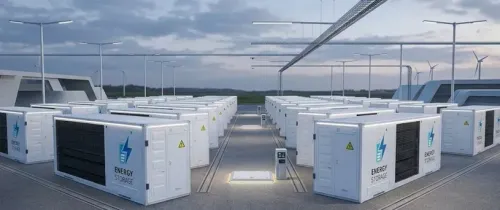
The government plans to invest ₹3.49 lakh crore in Battery Energy Storage Systems (BESS) to achieve 47.24 GW/236 GWh capacity by 2031-32 .
An additional ₹1.29 lakh crore is planned for Pumped Storage Plants (PSP) , targeting 26.69 GW/175 GWh by 2031-32 .
100% ISTS charge waiver extended for BESS projects commissioned by June 2025 and co-located BESS projects by June 2028 .
A PLI scheme worth ₹18,100 crore targets 50 GWh of Advanced Chemistry Cell manufacturing, with 10 GWh reserved for grid-scale storage.
CERC has allowed storage resources to provide ancillary services, enabling real-time grid balancing.
Hydro PSP projects up to 200 MW receive enabling infrastructure support of ₹1 crore per MW .
The Ministry of Power informed Parliament on Monday that the government plans to invest ₹3.49 lakh crore by 2031-32 to build out a Battery Energy Storage System (BESS) installed capacity of 8.68 GW/34 GWh by 2026-27, scaling to 47.24 GW/236 GWh by 2031-32. The disclosure, made in a written reply to the Rajya Sabha, signals one of the largest single-sector energy infrastructure commitments in India's renewable transition.
Pumped Storage Plants Also in the Frame
Alongside the BESS outlay, an additional ₹1.29 lakh crore is earmarked for Pumped Storage Plant (PSP) capacity — targeting 7.45 GW/47 GWh by 2026-27 and 26.69 GW/175 GWh by 2031-32. Together, the two storage verticals represent a combined planned investment of over ₹4.78 lakh crore, underscoring the Centre's intent to make grid-scale storage a structural pillar of its clean energy architecture.
What the Government Said
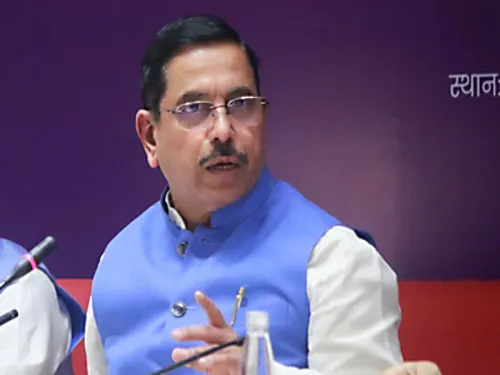
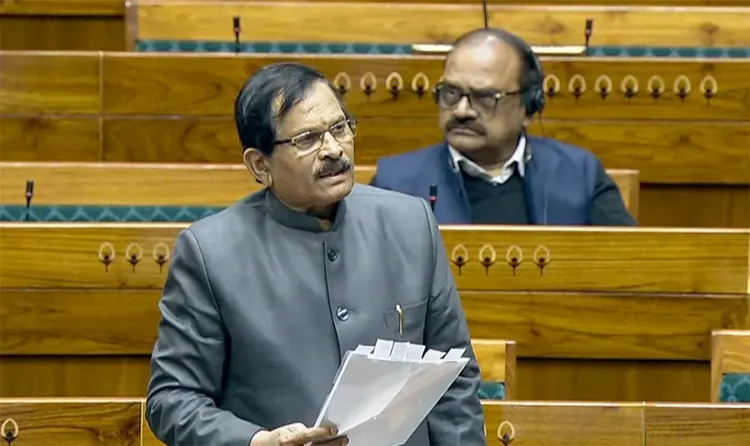
Minister of State for Power Shripad Naik told the Rajya Sabha that NITI Aayog has identified energy storage as a critical requirement for managing the variability inherent in renewable energy integration. Naik said the government has already rolled out a series of coordinated policy, regulatory, demand-side, and supply-side measures to accelerate deployment of Energy Storage Systems (ESS), including BESS.
Key among these is a 100 per cent waiver of Inter-State Transmission System (ISTS) charges for BESS projects commissioned by June 2025, with a 25 per cent annual reduction in the waiver thereafter. Co-located BESS projects enjoy the full ISTS waiver if commissioned by June 2028. Hydro PSP projects where construction is awarded by June 2028 also qualify for the full waiver.
Regulatory and Manufacturing Support
The Central Electricity Regulatory Commission (CERC) has permitted storage-based resources to provide ancillary services — including secondary and tertiary reserves — enabling energy storage systems to support real-time grid balancing alongside conventional generators.
On the manufacturing side, the Ministry of Heavy Industries is implementing a Production-Linked Incentive (PLI) scheme with an outlay of ₹18,100 crore to establish 50 GWh of Advanced Chemistry Cell manufacturing capacity, of which 10 GWh is reserved for grid-scale stationary storage.
Infrastructure Incentives for Hydro Projects
Enabling infrastructure support of ₹1 crore per MW is being extended to hydro PSP projects up to 200 MW. For projects exceeding that threshold, the support structure shifts to ₹200 crore plus ₹0.75 crore per MW, Naik added. These tiered incentives are designed to de-risk capital-intensive hydro storage projects that have historically faced long gestation periods.
With India's renewable capacity additions accelerating, the scale of storage investment now being committed will be critical to ensuring grid stability — and whether these targets translate into commissioned capacity on schedule remains the central question for the sector.
Point of View
But India's track record on large-scale energy infrastructure targets warrants scrutiny. The 2026-27 interim milestone of 8.68 GW is less than two years away, yet domestic manufacturing capacity for battery cells remains nascent — the PLI's 50 GWh target is itself still being built out. ISTS waivers and CERC access are necessary conditions, not sufficient ones; land acquisition, supply-chain depth, and off-take certainty will ultimately determine whether gigawatts on paper become gigawatts on the grid. The combined ₹4.78 lakh crore storage outlay also deserves a clear financing roadmap — how much is public, how much private, and what happens if private capital stays on the sidelines.
NationPress
26 Oct 2026
Frequently Asked Questions
How much is India investing in Battery Energy Storage Systems?
The government plans to invest ₹3.49 lakh crore in BESS infrastructure by 2031-32 , targeting an installed capacity of 47.24 GW/236 GWh . An additional ₹1.29 lakh crore is planned for Pumped Storage Plants over the same period.
What is the BESS capacity target for 2026-27?
India's interim BESS target is 8.68 GW/34 GWh by 2026-27 , scaling to 47.24 GW/236 GWh by 2031-32 . The Pumped Storage Plant target for 2026-27 stands at 7.45 GW/47 GWh .
What incentives are available for BESS projects in India?
BESS projects commissioned by June 2025 receive a 100% waiver on Inter-State Transmission System (ISTS) charges, with a 25% annual reduction in the waiver thereafter. Co-located BESS projects commissioned by June 2028 also qualify for the full ISTS waiver.
What is the PLI scheme for battery storage manufacturing?
The Ministry of Heavy Industries is running a PLI scheme worth ₹18,100 crore to build 50 GWh of Advanced Chemistry Cell manufacturing capacity in India, with 10 GWh specifically earmarked for grid-scale stationary storage.
Why is energy storage critical for India's power grid?
As India rapidly expands solar and wind capacity, renewable energy's inherent variability creates grid management challenges. NITI Aayog has flagged energy storage as a critical requirement to balance supply and demand in real time, preventing outages and enabling higher renewable penetration without compromising grid stability.