Kishan Reddy: India hits 300 GW+ clean energy capacity
Synopsis
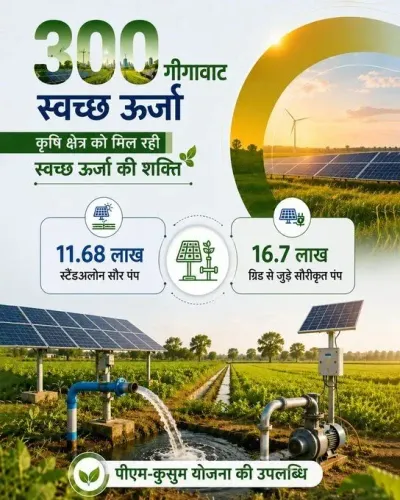
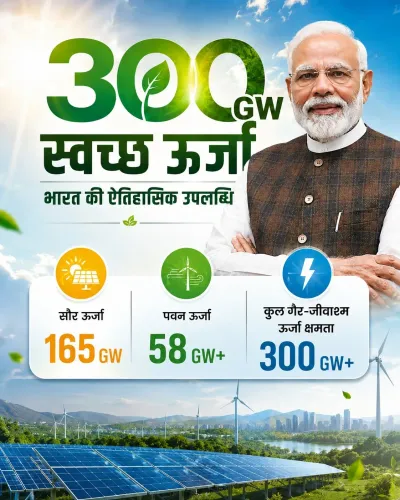
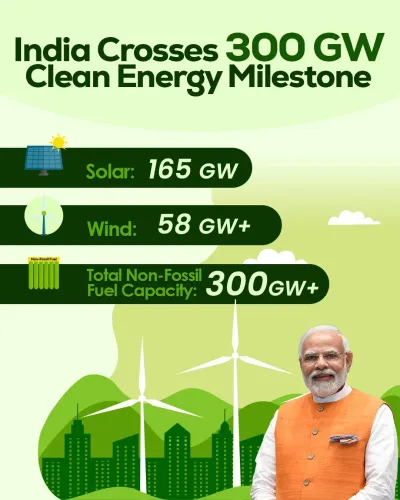
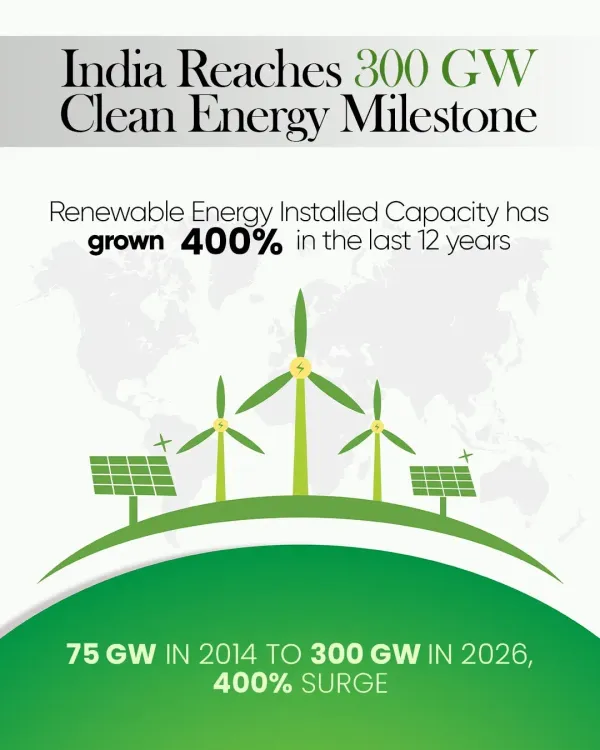
India has crossed 300 GW of non-fossil fuel electricity capacity — a fourfold rise from 75 GW in 2014 — with 165 GW solar and 58 GW+ wind, Union Minister G. Kishan Reddy announced on August 8, 2026, citing PM Modi's leadership and the nation's push toward 500 GW by 2030.
Key Takeaways
India's non-fossil fuel installed electricity generation capacity has crossed 300 GW , according to Union Minister G.
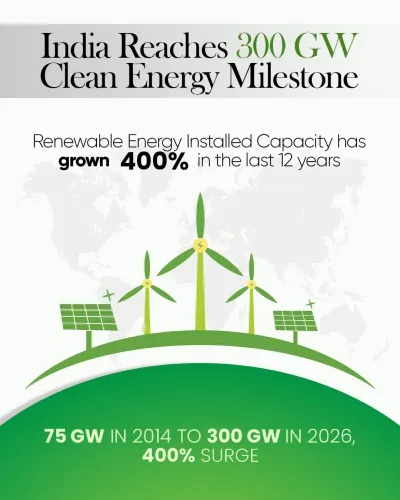
Capacity has grown fourfold from 75 GW in 2014 to 300 GW+ over twelve years.
Solar energy contributes 165 GW and wind energy contributes 58 GW+ to the total.
India's Panchamrit strategy , announced at COP26 in 2021, targets 500 GW of non-fossil fuel capacity by 2030 .
The milestone is framed by the government as advancing both climate goals and energy security under the vision of a 'self-reliant Bharat.'
Three hundred gigawatts of clean power — and a nation that got there in just over a decade. Union Coal and Mines Minister G. Kishan Reddy on Saturday, August 8, 2026, marked what he called a 'historic milestone': India's non-fossil fuel-based installed electricity generation capacity has crossed the 300 GW mark, driven by a fourfold expansion since 2014.
From 75 GW to 300 GW: the numbers behind the leap
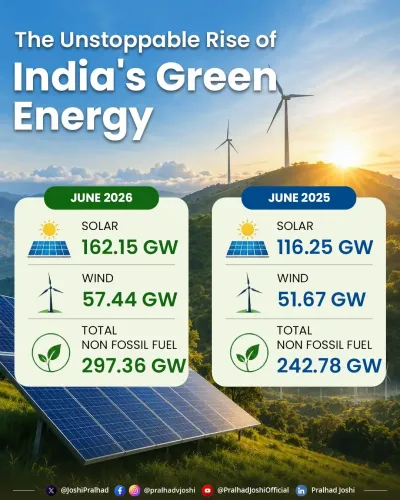
When Prime Minister Narendra Modi took office in 2014, India's total renewable energy capacity stood at 75 GW. The figure now reported — 300 GW+ — represents a quadrupling of that base in twelve years. Within that total, solar energy accounts for 165 GW and wind energy contributes 58 GW+, together forming the twin engines of the country's clean power surge.
Reddy credited the expansion to Modi's 'visionary leadership,' framing the milestone as evidence of India's 'strong commitment to a cleaner future' and its drive toward a 'sustainable and self-reliant Bharat.'
The 500 GW target and India's climate commitments
The 300 GW crossing is a waypoint, not a finish line. At COP21 in 2015, India pledged to reach 175 GW of renewable capacity by 2022 — a target the country has now well surpassed. At COP26 in 2021, Prime Minister Modi raised the ambition further under the Panchamrit strategy, committing India to 500 GW of non-fossil fuel capacity by 2030. That leaves roughly 200 GW still to build in four years — a significant but not unprecedented rate of addition given the current trajectory.
India has also committed to reaching net-zero emissions by 2070, and the renewable build-out is the most visible near-term lever toward that goal.
Energy security as much as climate policy
Reddy's post frames the milestone through two lenses simultaneously — climate and sovereignty. The phrase 'energy security' is deliberate: a country that generates its own clean power is less exposed to volatile fossil-fuel import costs. India remains one of the world's largest coal consumers, and Reddy himself oversees that sector, making his championing of the 300 GW clean-energy figure a pointed signal that the government sees no contradiction between managing coal's present and building renewables' future.
The next test of that ambition will come at upcoming international climate forums and in the next Union Budget, where capital allocation for renewable infrastructure will indicate whether the 500 GW by 2030 target remains on track.
Point of View
Quantifiable achievement to anchor its energy narrative ahead of future electoral cycles. Kishan Reddy's framing of 'energy security' alongside 'clean energy' is strategically significant: it allows the government to celebrate renewables without conceding ground on coal, which remains central to India's power grid and to Reddy's own ministerial portfolio. With roughly 200 GW still needed to meet the 2030 Panchamrit target, the pace of addition must accelerate — making the next Union Budget's capital outlay for renewables a critical indicator of whether the ambition is matched by investment.
NationPress
23 Sept 2026
Frequently Asked Questions
What is India's total renewable energy capacity in 2026?
India's non-fossil fuel installed electricity generation capacity has crossed 300 GW , with 165 GW from solar and 58 GW+ from wind, according to Union Minister G. Kishan Reddy's announcement on August 8, 2026.
How much has India's renewable energy capacity grown since 2014?
India's renewable energy capacity has grown fourfold — from 75 GW in 2014 to over 300 GW — representing one of the fastest clean energy expansions among major economies over a twelve-year period.
What is India's renewable energy target for 2030?
Under the Panchamrit strategy announced by Prime Minister Modi at COP26 in 2021, India has committed to achieving 500 GW of non-fossil fuel electricity capacity by 2030 .
Who is G. Kishan Reddy?
G. Kishan Reddy is the Union Minister of Coal and Mines in the Government of India and the BJP's Telangana state president. He announced the 300 GW clean energy milestone on X on August 8, 2026.
What is India's net-zero emissions target year?
India has committed to reaching net-zero emissions by 2070 , with the expansion of renewable energy capacity being a key near-term driver toward that long-term goal.