India's Path to Becoming a Global Leader in Electric Mobility Manufacturing
Synopsis
H.D. Kumaraswamy emphasizes India's potential to emerge as a global leader in electric mobility manufacturing. With strategic policies and industry collaboration, the nation aims for a sustainable and innovative future in the EV sector, aligning with the Viksit Bharat 2047 vision.
Key Takeaways
Strong policy direction is essential for electric mobility.
India aims to be a global production hub for EVs and batteries.
Automotive component exports have significantly increased.
Collaboration between government and industry is crucial.
Electric vehicles represent both a climate and economic opportunity .
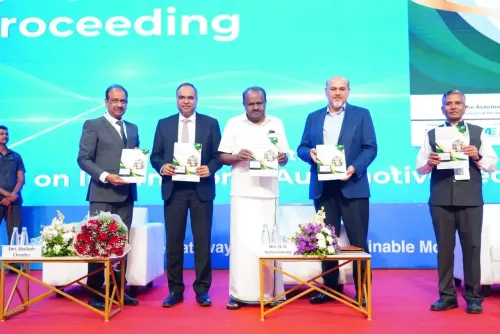
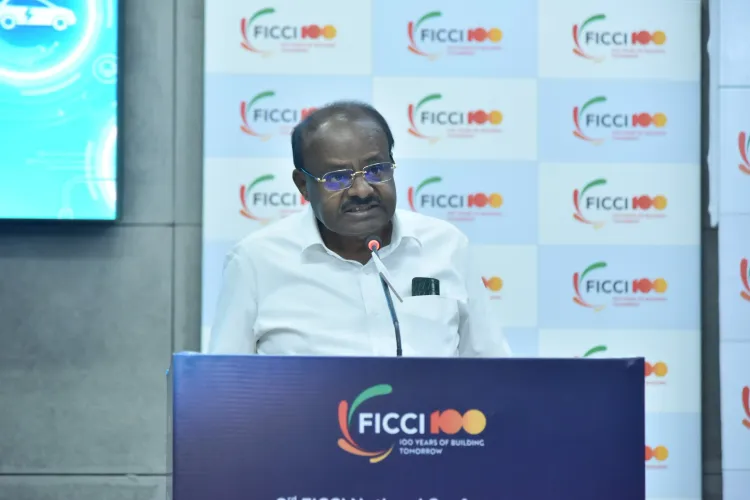
New Delhi, Feb 25 (NationPress) H.D. Kumaraswamy, the Minister of Heavy Industries and Steel, declared that with a robust policy framework and active participation from the industry, India is poised to become a prominent global hub for electric mobility manufacturing and innovation. This statement was made during the third 'FICCI National Conference on Electric Vehicles'.
Kumaraswamy emphasized that "we are committed to adopting the best strategies to promote electric mobility." He stated, "As we advance towards the vision of ‘Viksit Bharat 2047’, electric mobility should be at the heart of the 'Make in India' initiative, enhancing domestic manufacturing, increasing localization, and positioning India as a global production center for EVs, batteries, and essential components."
In the last ten years, India's automotive component exports have nearly doubled, increasing from around $8 billion to $16.9 billion.
According to Kumaraswamy, "This increase showcases India’s growing integration into global value chains and its rising reputation as a manufacturing hub."
Former NITI Aayog CEO Amitabh Kant highlighted that the global electric vehicle market is anticipated to reach trillions of dollars in the upcoming decade.
"Supply chains are reorganizing, and nations are reassessing trade localization and strategic dependencies. India must establish itself as a reliable manufacturing hub for electric vehicles," he remarked at the conference.
Kant further noted, "Electric mobility transcends being merely a climate necessity; it represents an economic, industrial, technological, and strategic opportunity. The shift to electric vehicles should be seen as a foundational element of Viksit Bharat 2047," he asserted.
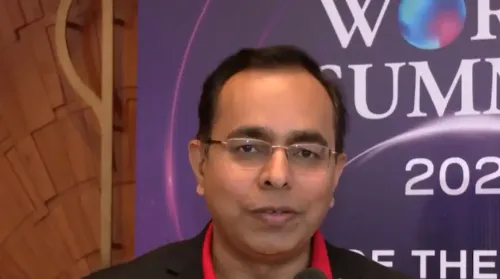
Vikram Handa, Co-Chair of the FICCI Green Mobility Committee, stated that from "Green Mobility 1.0 to 2.0", India has developed a comprehensive value chain.
"This encompasses everything from the processing of vital minerals to cell production, battery pack assembly, and the manufacturing of two-wheelers, three-wheelers, four-wheelers, buses, trucks, and even charging infrastructure. This holistic ecosystem illustrates the trajectory of the Indian industry and indicates significant future potential," he added.
Point of View
India's focus on electric mobility manufacturing is commendable. It's essential for sustainable growth and aligns with global trends towards cleaner energy. The commitment from influential leaders like H.D. Kumaraswamy and Amitabh Kant highlights the importance of collaboration between government and industry. This strategic move could place India firmly on the global map of electric vehicle production.
NationPress
26 Sept 2026
Frequently Asked Questions
What is India's vision for electric mobility?
India aims to become a global leader in electric mobility manufacturing, focusing on domestic production and localization as part of the 'Make in India' initiative.
How much have India's automotive component exports increased?
India's automotive component exports have nearly doubled from approximately $8 billion to $16.9 billion over the last decade.
What is the significance of the global electric vehicle market?
The global electric vehicle market is projected to reach trillions of dollars in the next decade, presenting significant opportunities for countries like India.
What role does electric mobility play in India's future?
Electric mobility is seen as a central pillar in achieving the vision of Viksit Bharat 2047, contributing to economic growth and sustainability.
What does the complete value chain for green mobility include?
It includes the processing of critical minerals, cell manufacturing, battery assembly, and production of various electric vehicles and charging infrastructure.