Kumaraswamy chairs e-bus, e-truck push meet in New Delhi
Synopsis
India's Ministry of Heavy Industries held its first structured government-industry dialogue specifically targeting electric trucks — a segment that has lagged far behind passenger EVs in policy focus. Minister Kumaraswamy's direct engagement with fleet operators and financiers signals a shift from announcement-led EV policy to ground-up ecosystem building.
Key Takeaways
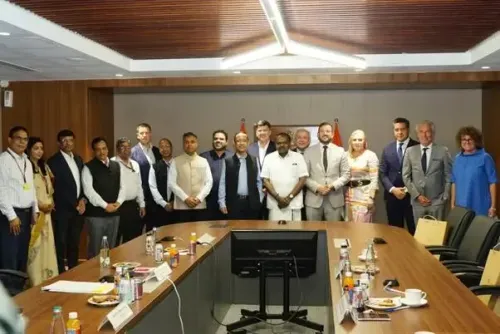
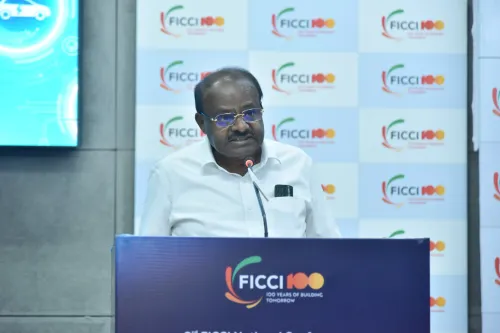
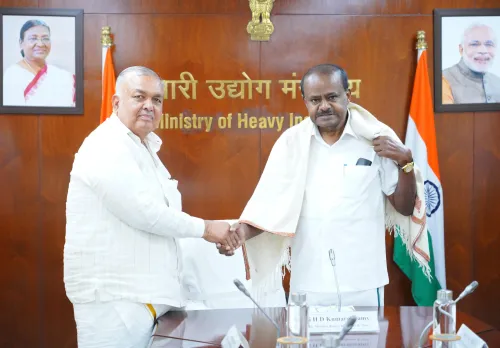
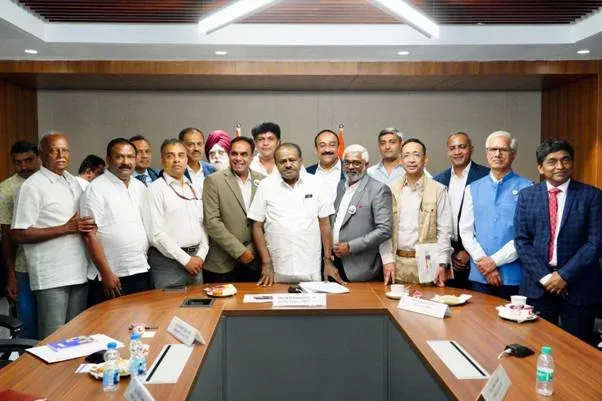
Kumaraswamy , Union Minister for Heavy Industries, chaired a high-level stakeholder consultation on 20 May in New Delhi .
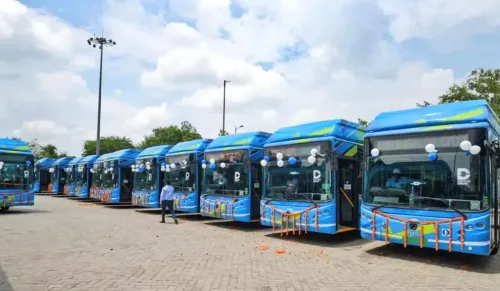
The meeting focused on accelerating adoption of electric buses and electric trucks across urban, inter-city, and freight networks.
Key issues discussed included financing access , charging infrastructure , fleet deployment , and operational viability .
Ministry Secretary Kamran Rizvi and other senior officials presented the future roadmap for electric heavy vehicle mobility.
The consultation is viewed as a significant step toward shaping targeted policy and financing frameworks for India's electric commercial vehicle sector.
Union Minister for Heavy Industries H. D. Kumaraswamy on Wednesday, 20 May chaired a high-level stakeholder consultation in New Delhi to accelerate the adoption and large-scale deployment of electric buses and electric trucks across India. The meeting brought together fleet operators, aggregators, transport leaders, financial institutions, leasing companies, and industry representatives from across the country.
What the Consultation Covered
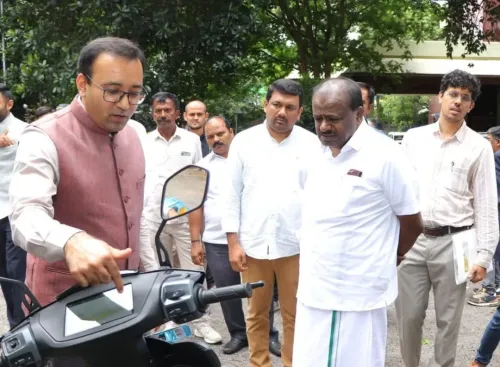
The session was convened to understand on-ground operational realities and deepen collaboration between the government and private stakeholders. Participants shared feedback on financing access, charging infrastructure, fleet deployment, operational viability, and long-term ecosystem support for electric commercial vehicles.
Senior officials of the Ministry of Heavy Industries, including Secretary Kamran Rizvi, were present and outlined the future roadmap for electric heavy vehicle mobility in India.
What the Minister Said
Kumaraswamy underlined that electric buses are set to become the backbone of passenger transportation in India, while electric trucks will play a transformative role in sustainable logistics and freight movement.
"India is witnessing a decisive shift towards clean and efficient transportation. E-Buses are the future of passenger mobility, and E-Trucks will define the next era of logistics and freight transport in our country," Kumaraswamy said.
He emphasised that the government is committed to working alongside operators and industry stakeholders to ensure India's transition to electric mobility is practical, inclusive, and commercially sustainable — aligning with Prime Minister Narendra Modi's vision for sustainability and responsible governance.
Industry Response
Participants welcomed the Ministry's proactive outreach, calling the direct engagement a significant step. Discussions centred on building confidence in electric mobility adoption and creating a robust ecosystem for large-scale deployment across urban, inter-city, and freight transport networks.
Why This Matters
India's commercial vehicle segment — dominated by diesel-powered buses and trucks — remains one of the largest contributors to urban air pollution and logistics emissions. This consultation is part of the Ministry of Heavy Industries' broader push to shift the country's heavy mobility sector onto a cleaner trajectory. Notably, this is among the first structured government-industry dialogues specifically targeting the e-truck segment, which has lagged behind passenger EVs in policy attention. The next steps are expected to include targeted policy measures and financing frameworks shaped by the feedback gathered at this meeting.
Point of View
But the heavy commercial vehicle segment — buses and trucks — has remained an afterthought behind passenger cars and two-wheelers. The fact that the Ministry of Heavy Industries is now holding structured consultations with fleet operators and financiers, rather than issuing top-down mandates, is a meaningful change in approach. The real test will be whether the feedback gathered translates into bankable financing structures and charging infrastructure commitments, or whether this consultation joins a long list of well-intentioned roundtables that produced no binding outcomes. With freight logistics accounting for a significant share of India's carbon footprint, the e-truck segment in particular cannot afford another cycle of deferred action.
NationPress
5 Oct 2026
Frequently Asked Questions
What was the purpose of Kumaraswamy's e-bus and e-truck consultation?
The meeting was convened by the Ministry of Heavy Industries to understand operational realities on the ground and accelerate adoption of electric buses and trucks across India. It brought together fleet operators, financiers, leasing companies, and industry representatives to shape a practical roadmap for electric heavy vehicle mobility.
Who attended the high-level stakeholder meeting on electric vehicles?
The consultation included fleet operators, aggregators, transport leaders, financial institutions, leasing companies, and industry representatives. Senior Ministry officials, including Secretary Kamran Rizvi, were also present.
What issues did stakeholders raise at the e-bus and e-truck meeting?
Participants shared concerns and suggestions on financing access, charging infrastructure, fleet deployment, operational viability, and long-term ecosystem support for electric commercial vehicles.
How does this consultation fit into India's broader EV policy?
The meeting is part of the Ministry of Heavy Industries' push to shift India's heavy mobility sector — buses and trucks — toward sustainable transportation. It aligns with Prime Minister Narendra Modi's stated vision for clean, efficient, and responsible governance in the transport sector.
What happens next after the stakeholder consultation?
The Ministry is expected to use the feedback gathered to develop targeted policy measures and financing frameworks for electric commercial vehicles, with a focus on urban, inter-city, and freight transport networks.