Easy Connect flight: India's first hub-and-spoke service launched from Varanasi
Synopsis
India's first 'Easy Connect' flight, launched from Varanasi on 26 June, lets passengers clear immigration and customs at their home airport before boarding a domestic feeder to an international hub — a structural shift that could reshape how smaller Indian cities connect to the world, with the government projecting 16 million jobs and $1.4 trillion in economic impact by 2047.
Key Takeaways
Civil Aviation Minister Ram Mohan Naidu launched India's first 'Easy Connect' flight from Varanasi on 26 June .
The hub-and-spoke model allows passengers to complete check-in, immigration, and customs at their originating Tier-II or Tier-III city airport.
The government targets making India a preferred aviation hub for Indian travellers by 2030 and a global aviation hub by 2047 .
Aviation hub development could generate 0.4 million jobs and add $30 billion to GDP by 2030 , according to ministry estimates.
By 2047 , the projected impact rises to 16 million jobs and nearly $1.4 trillion added to the economy.
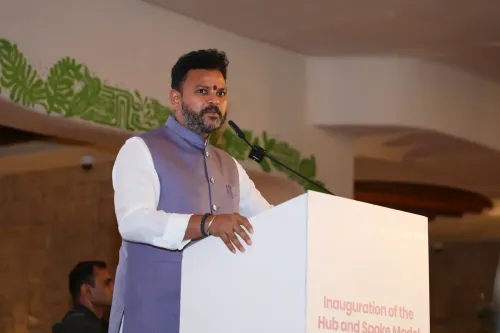
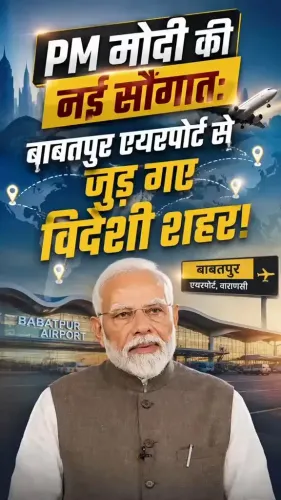
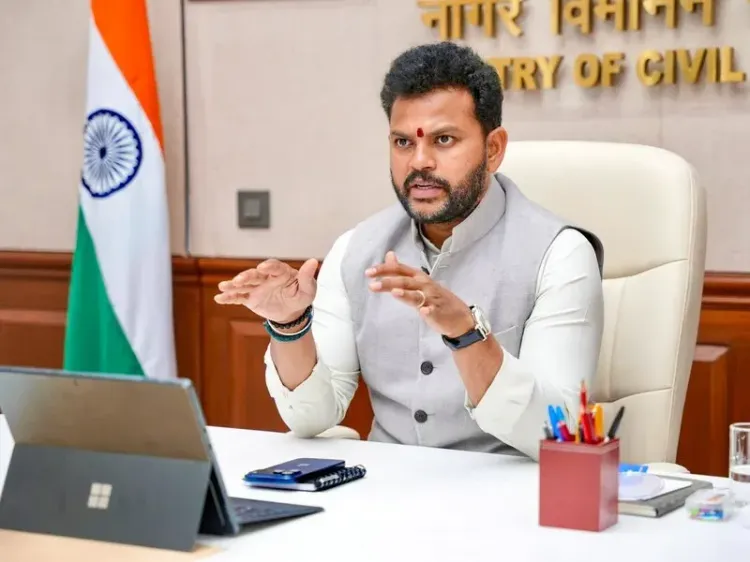
Civil Aviation Minister Ram Mohan Naidu on Friday, 26 June launched India's first 'Easy Connect' flight from Lal Bahadur Shastri International Airport in Varanasi, marking the rollout of the government's new hub-and-spoke aviation model. The initiative is designed to give passengers in Tier-II and Tier-III cities seamless access to international air travel without repeating check-in and immigration formalities at connecting hubs.
How the Hub-and-Spoke Model Works
Under the Easy Connect framework, international travellers can complete check-in, immigration, and customs formalities at their originating airport itself. A passenger departing from Varanasi, for instance, boards a domestic feeder flight to a designated hub such as New Delhi and connects directly to an international service — without repeating any departure procedures at the hub.
This single-clearance model mirrors practices used by major global aviation hubs and removes a long-standing friction point for travellers from smaller Indian cities who previously had to navigate full departure formalities twice.
The Government's Aviation Ambitions
The Ministry of Civil Aviation has set two headline targets: making India the preferred aviation hub for Indian travellers by 2030 and a global aviation hub by 2047. Speaking at the launch, Minister Naidu described the initiative as 'a major step towards realising our vision of making air travel more accessible and building a future-ready, self-reliant Indian aviation industry that is efficient, inclusive and globally competitive.'
The government also expects Easy Connect to catalyse trade, tourism, investment, and regional economic development by extending meaningful international connectivity beyond metro airports.
Projected Economic Impact
According to estimates from the Ministry of Civil Aviation, aviation hub development could generate nearly 0.4 million direct and indirect jobs and contribute an additional $30 billion to India's GDP by 2030. The longer-horizon projection is substantially larger: by 2047, the cumulative economic impact is projected to support around 16 million jobs and add nearly $1.4 trillion to the economy.
These figures, while aspirational, underscore the scale of transformation the Centre is targeting through aviation-led regional development.
Why Varanasi as the Launch City
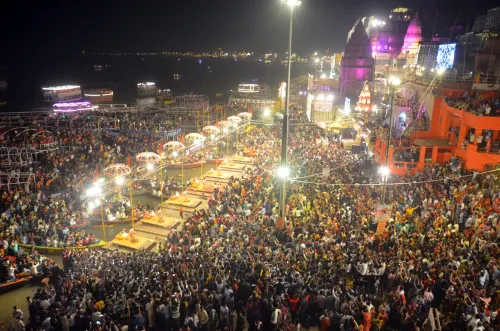
The choice of Varanasi — a high-traffic religious and cultural destination in Uttar Pradesh — as the inaugural city is significant. The city draws millions of domestic and international visitors annually, making it a natural candidate to test the hub-and-spoke model before a broader national rollout. Lal Bahadur Shastri International Airport already handles a mix of domestic and limited international traffic, providing an operational baseline for the new model.
This is the first concrete implementation of a policy direction that aviation planners have discussed for years — connecting India's growing but underserved regional airports to global networks without routing all traffic through a handful of metro hubs. Whether the model scales smoothly to other Tier-II cities will be closely watched by airlines and airport operators alike.
Point of View
But replicating the model at dozens of Tier-II airports requires immigration and customs infrastructure that most regional airports currently lack. The 2047 job and GDP projections are ministry estimates, not independent forecasts, and the gap between announcement and execution in Indian aviation policy has historically been wide. The real test will come when the government names the next five cities and commits a timeline — until then, this is a promising proof-of-concept, not yet a structural shift.
NationPress
25 Sept 2026
Frequently Asked Questions
What is India's 'Easy Connect' flight initiative?
'Easy Connect' is India's first hub-and-spoke aviation model, launched on 26 June from Varanasi, under which passengers from Tier-II and Tier-III cities can complete all international departure formalities — check-in, immigration, and customs — at their home airport before boarding a domestic feeder flight to a major hub for onward international travel.
How does the Easy Connect hub-and-spoke model work?
A passenger departing from Varanasi, for example, clears all international departure procedures at Lal Bahadur Shastri International Airport, then boards a domestic flight to a hub such as New Delhi, where they connect directly to an international service without repeating any formalities.
What are India's aviation hub targets under this initiative?
The government aims to make India the preferred aviation hub for Indian travellers by 2030 and a global aviation hub by 2047. The strategy is expected to boost trade, tourism, and regional economic growth by extending international connectivity beyond metro airports.
What is the projected economic impact of India's aviation hub development?
According to Ministry of Civil Aviation estimates, aviation hub development could generate 0.4 million direct and indirect jobs and add $30 billion to GDP by 2030. By 2047, the projected cumulative impact rises to around 16 million jobs and nearly $1.4 trillion added to the economy.
Why was Varanasi chosen to launch the Easy Connect service?
Varanasi is a high-traffic religious and cultural destination that draws millions of visitors annually and already handles a mix of domestic and limited international traffic at Lal Bahadur Shastri International Airport, making it a practical first city to pilot the hub-and-spoke model before a broader national rollout.