India Must Gear Up for Geopolitical Changes Every 1-2 Years, Says Economist

Synopsis
In a recent statement, economist Neelkanth Mishra emphasized that India should be ready for geopolitical disruptions every 1-2 years. He advocates for utilizing the current calm to implement crucial structural reforms across various sectors.
Key Takeaways
Prepare for geopolitical disruptions: India should expect changes every 1-2 years.
Utilize current calm: Implementing structural reforms is critical.
Electrification is key: Reducing dependence on oil and gas can enhance resilience.
Tourism sector reform: Adjustments in regulations can boost competitiveness.
Stronger financial buffers: India is better equipped to face future challenges.
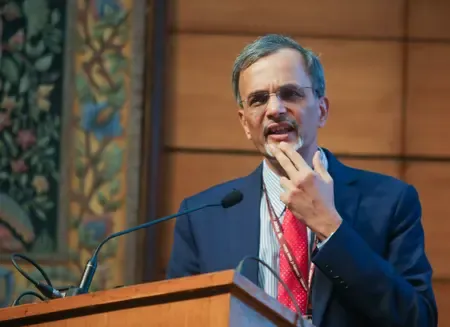
New Delhi, April 10 (NationPress) India must prepare for geopolitical disruptions occurring every one to two years and capitalize on the current lull in tensions to implement long-overdue structural reforms, asserted Neelkanth Mishra, Chief Economist at Axis Bank and member of the Prime Minister’s Economic Advisory Council (EAC-PM) on Friday.
This temporary reduction in conflict presents an opportunity to integrate resilience into growth by expediting reforms in essential sectors such as electrification, housing, urban infrastructure, and tourism, Mishra emphasized.
He observed that the volatility we face is currently structural rather than merely episodic, adding that India is now entering this phase with more robust buffers than in past instances.
“In comparison to any point in our history, we are significantly better equipped to handle this situation,” he remarked, referencing a discussion with a senior policymaker who compared the current environment to the tumultuous period of 1989–93, according to a statement from Kotak Private.
However, Mishra pointed out that India today boasts deeper capital markets, more stable external balances, and greater policy trustworthiness.
He noted that while immediate concerns of escalation have diminished following calls for a two-week ceasefire between Iran and the United States, the broader cycle of shocks is unlikely to cease.
Mishra highlighted electrification as a key strategic focus, indicating that India is still more susceptible to fluctuations in oil and gas than its counterparts, as current electric end-use energy consumption is minimal. He advocated for a swift transition to electrification, coupled with improved energy pricing, to decrease vulnerability to geopolitical issues while enhancing efficiency.
He also called for decisive policy measures regarding housing and urban infrastructure, aiming to stimulate domestic demand that is largely shielded from global upheavals.
According to him, India possesses “some of the most expensive tourism costs globally,” exacerbated in part by stringent zoning and floor-space regulations.
The economist suggested that adjusting hotel floor space index and enhancing urban capacity would lower expenses, boost competitiveness, and generate large-scale employment.
aar/pk
Point of View
It is crucial that India prepares for ongoing geopolitical changes. The insights from Neelkanth Mishra highlight a proactive approach to fostering resilience through structural reforms, ensuring that the country remains competitive and prepared for future challenges.
NationPress
15 Oct 2026
Frequently Asked Questions
Why is India expected to face geopolitical disruptions every 1-2 years?
India is facing a shifting global landscape, with geopolitical tensions rising periodically, necessitating readiness for disruptions.
What structural reforms are being advocated for India?
Key reforms include improvements in electrification, housing, urban infrastructure, and tourism, which are essential for sustainable growth.
How can electrification help India in geopolitical contexts?
Accelerating electrification reduces India's vulnerability to oil and gas price shocks, enhancing energy efficiency and stability.
What are the risks associated with India's tourism sector?
India's tourism is considered expensive due to restrictive zoning and regulations, which can deter international visitors.
What is the significance of deeper capital markets for India?
Deeper capital markets allow for better financial stability and resilience, equipping India to handle economic shocks more effectively.