India's growth story holds firm, but global risks loom: Kautilya Conclave 2026
Synopsis
At the 5th Kautilya Economic Conclave in New Delhi, leading economists praised India’s economic management but issued a pointed warning: strong growth is not a shield against geopolitical volatility, trade shifts, and supply chain risks. The call to diversify trading partners and energy sources signals that India’s next policy challenge is about resilience, not just speed.
Key Takeaways
Leading economists at the 5th Kautilya Economic Conclave 2026 in New Delhi on 4 October 2026 praised India’s growth record while flagging global risks.
Pravin Krishna called India’s growth ‘very high, very impressive’ but warned against complacency amid geopolitical and trade uncertainties.
Experts urged India to diversify trading partners and energy sources as insurance against external shocks.
Parmod Kumar of ISEC highlighted the conclave’s role in connecting young researchers with policymakers and bureaucrats on national and global economic issues.
The conclave, in its fifth edition , is seen as a growing platform for multi-disciplinary economic and policy debate.
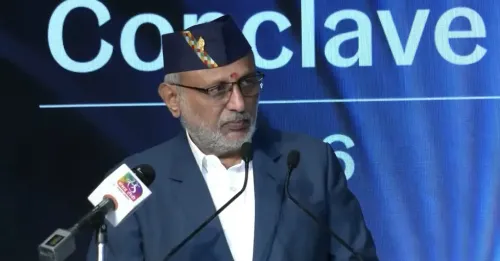
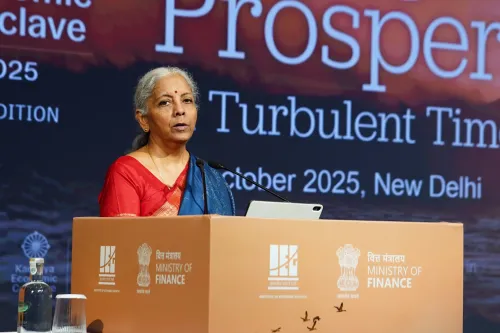
India's economic momentum remains strong, but policymakers and businesses must not lose sight of a rapidly shifting global landscape defined by geopolitical tensions, evolving trade patterns, and supply chain disruptions, leading economists warned on Sunday, 4 October 2026, on the sidelines of the 5th Kautilya Economic Conclave 2026 in New Delhi. The gathering brought together researchers, academics, bureaucrats, and policymakers to examine both national and international economic challenges.
India's Performance: Impressive, But Not Immune
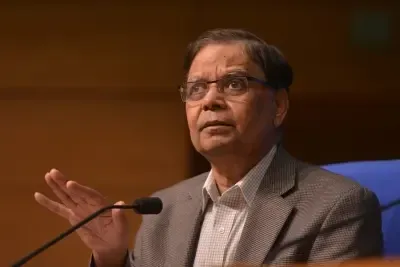
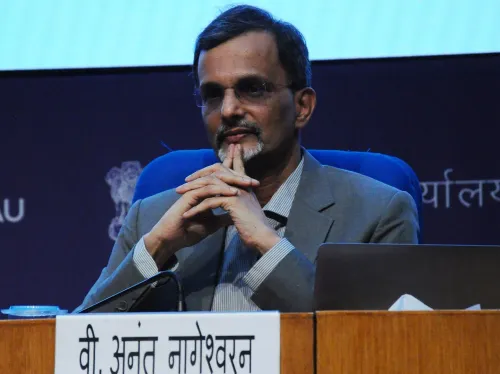
Prof. Pravin Krishna, a Washington D.C.-based economist and business expert, described India's recent economic trajectory as a testament to sound policy management. “At one level, India's been doing very, very well… so, it’s a testament, maybe, to the good ways in which India’s economy has been managed so far. The growth rate was very high, very impressive,” he said.
However, Prof. Krishna was careful to temper optimism with caution, stressing that strong performance should not translate into complacency. He noted that some challenges are already visible while others are approaching, and called for forward-looking policy thinking to manage emerging risks.
The Case for Diversification and Risk Hedging
Prof. Krishna urged India to actively build resilience into its economic architecture. “Thinking very clearly, and thinking ahead in terms of what the challenges are and how one might sort of hedge against risks, one might get some insurance, in this sort of setting, how one might diversify trading partners, how one might diversify energy sources, and so on and so forth,” he said. This call for diversification comes amid ongoing global volatility, including trade realignments triggered by shifting great-power dynamics and energy market instability.
This is not the first time India’s growth story has been stress-tested by external shocks—the post-pandemic supply chain crisis and the commodity price surge following the Russia-Ukraine conflict both underscored the economy’s partial vulnerability to global headwinds despite its strong domestic demand base.
Kautilya Conclave as a Multi-Disciplinary Platform
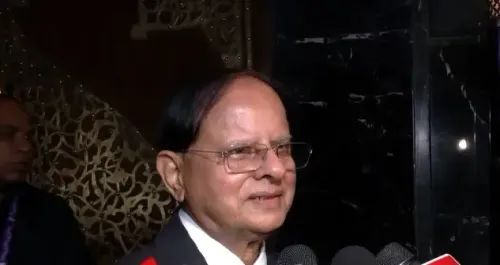
Prof. Parmod Kumar, Head of the Centre for Agricultural Development and Rural Transformation at the Institute for Social and Economic Change (ISEC), highlighted how the Kautilya Economic Conclave has grown into a forum that extends well beyond conventional economics discourse. He pointed to the broad mix of participants—from senior bureaucrats and policymakers to PhD scholars in the early stages of their academic careers.
“We have people from academia, especially youngsters who are into their PhD and early phases of academics. They are able to see different issues being discussed. And we have policymakers, academicians, bureaucrats coming here and discussing the burning issues related to economics. It’s not only economics, but also national and international issues being discussed here,” Prof. Kumar stated.
The conclave, now in its fifth edition, has carved a niche as a space where emerging scholars can engage directly with practitioner perspectives—a format designed to bridge the gap between academic research and real-world policy formulation.
What the Experts Say Comes Next
The consensus among speakers at the conclave was that India’s near-term outlook is broadly positive, but that the margin for policy error has narrowed. Diversifying trade relationships, securing energy supply chains, and building institutional buffers against external shocks were cited as the most pressing priorities. As global economic conditions remain fluid, how India navigates these crosswinds will be closely watched by investors and multilateral institutions alike.
Point of View
But it is not self-sustaining in a fractured world order. The call to diversify trading partners and energy sources is not new—it has featured in policy conversations since at least 2022—yet the institutional follow-through has been uneven. India’s export basket and energy import dependence remain concentrated, and the gap between strategic intent and structural reform on both fronts deserves closer scrutiny than a conference endorsement typically generates. The presence of young scholars alongside senior bureaucrats at the conclave is a welcome design, but the test is whether the dialogue translates into actionable policy rather than well-documented proceedings.
NationPress
4 Oct 2026
Frequently Asked Questions
What was discussed at the Kautilya Economic Conclave 2026?
The 5th Kautilya Economic Conclave 2026, held in New Delhi on 4 October 2026, focused on India’s economic growth trajectory and the risks posed by global geopolitical tensions, shifting trade dynamics, and supply chain disruptions. Economists, policymakers, bureaucrats, and academics gathered to discuss both national and international economic challenges.
What did Prof. Pravin Krishna say about India’s economy?
Prof. Pravin Krishna, a Washington D.C.-based economist, said India’s growth has been very high and impressive, reflecting sound economic management. However, he cautioned against complacency and called for proactive risk hedging, including diversifying trading partners and energy sources to guard against future shocks.
Why is India being advised to diversify its trade and energy sources?
Experts at the conclave warned that global geopolitical tensions, trade realignments, and supply chain disruptions could affect India’s growth if the economy remains overly concentrated in its trade and energy relationships. Diversification is seen as a form of strategic insurance against external volatility.
What is the Kautilya Economic Conclave and who attends it?
The Kautilya Economic Conclave is an annual forum, now in its fifth edition, that brings together economists, researchers, PhD scholars, academicians, bureaucrats, and policymakers to discuss pressing economic, social, and geopolitical issues. It is designed to bridge academic research and real-world policy formulation.
How does India’s current situation compare to past global shocks?
India’s economy has previously faced stress from the post-pandemic supply chain crisis and commodity price surges following the Russia-Ukraine conflict, demonstrating partial vulnerability to global headwinds despite a strong domestic demand base. Experts say the current environment requires similar vigilance and structural preparedness.