India's pharma export share at 2.8%: NITI Aayog flags innovation gap
Synopsis
India supplies the world's generics but captures only 2.8% of a $1.3 trillion global pharma market — a gap that NITI Aayog's latest report frames as both a warning and an opportunity. The real test is whether India can pivot from high-volume, low-margin generics to the biologics and advanced therapeutics where the next decade of global health spending is headed.
Key Takeaways
India's global pharmaceutical and API export share stands at just 2.8 per cent of a market valued at approximately $1.3 trillion for 2025.
India exported pharmaceutical and API products worth nearly $35.8 billion , according to the NITI Aayog Q4 FY26 report.
The sector contributes over 1.7 per cent to GDP, 7.2 per cent of manufacturing GVA, and supports 2.7 million livelihoods.
India's strength is concentrated in generics and formulations; its presence in biologics, vaccines, and advanced therapeutics remains limited.
NITI Aayog Vice Chairman Ashok Kumar Lahiri called for expanding into high-value segments to cement India's role as a global pharma and innovation hub.
India's total merchandise and services trade reached approximately $1.84 trillion in FY 2025-26 .
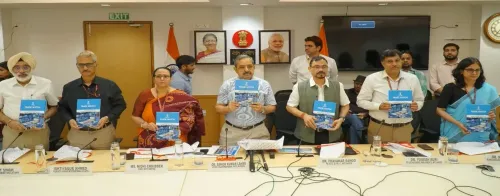
India's global export share in pharmaceuticals and Active Pharmaceutical Ingredients (APIs) stands at a modest 2.8 per cent, even as the country ranks among the world's largest suppliers of generic medicines, according to a NITI Aayog report released on Tuesday, 23 June. The report highlights significant headroom for expansion as global demand for biologics, speciality therapeutics, and advanced medicines accelerates.
Scale of the Global Opportunity
Global pharmaceutical and API import demand is valued at approximately $1.3 trillion for 2025, including $261.2 billion in APIs alone. India's pharmaceutical and API exports stood at nearly $35.8 billion — a substantial figure, but one that reflects a disproportionately small slice of a vast and growing market.
The sector contributes over 1.7 per cent to India's GDP, accounts for 7.2 per cent of manufacturing Gross Value Added (GVA), and supports approximately 2.7 million livelihoods across the value chain.
Where India Leads — and Where It Lags
India's comparative advantage remains concentrated in formulations — particularly retail medicaments and generic drugs — where it holds strong competitive positions even in tightly regulated markets such as the United States and Europe. The country is widely recognised as the world's leading supplier of generic medicines and a critical provider of vaccines and essential therapeutics.
However, the global pharmaceutical landscape has increasingly pivoted toward high-value segments: biologics, vaccines, immunologicals, and advanced therapeutics. In these segments, India's export presence remains limited, the report noted — a structural gap that constrains both revenue growth and strategic influence in global health supply chains.
What NITI Aayog Said
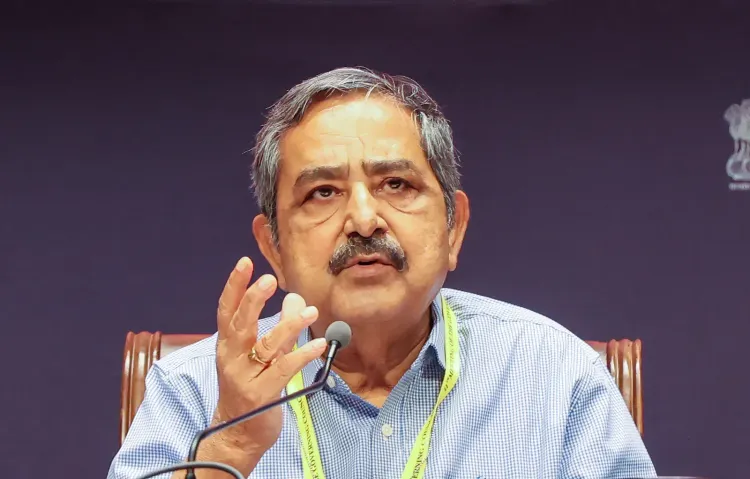
NITI Aayog Vice Chairman Ashok Kumar Lahiri acknowledged both the sector's strengths and its vulnerabilities. 'India is the world's leading supplier of generic medicines and a major provider of vaccines and essential therapeutics, making an important contribution to global health security. However, changing demand patterns, tighter regulatory standards, and evolving supply chains are reshaping the industry,' he said.
Lahiri added that expanding into high-value segments and leveraging the ongoing diversification of global supply chains present significant opportunities to strengthen India's position as a global pharmaceutical and innovation hub. The report, published for Q4 FY26, described the pharmaceutical sector as 'a strategic pillar of the economy, supported by a strong manufacturing base, global competitiveness in generic medicines, and growing integration into international healthcare supply chains.'
Broader Trade Context
The pharma findings come in the context of India's expanding overall trade footprint. During FY 2025-26, India's total merchandise and services trade reached approximately $1.84 trillion, reflecting deepening integration with global markets and a more sophisticated export basket.
Lahiri stressed that 'enhancing export competitiveness, raising domestic value addition, and deepening participation in value chains will remain critical to sustaining high and inclusive growth' as India pursues its long-term development goals.
What Needs to Change
The report implicitly calls for a strategic reorientation — from volume-driven generics toward innovation-led, high-margin segments. This comes amid a broader global push to de-risk pharmaceutical supply chains following disruptions exposed during the COVID-19 pandemic, when India's role as a vaccine supplier earned it significant geopolitical capital. Notably, translating that goodwill into durable market share in biologics and speciality drugs will require sustained investment in R&D, regulatory harmonisation, and domestic API self-sufficiency. The next phase of India's pharma growth story, the report suggests, hinges on whether the industry can make that leap.
Point of View
But the more consequential number is the gap in biologics and advanced therapeutics — the segments where global health spending is concentrating. India built its pharma reputation on generics, a model that delivered access but not margin. The pivot to innovation-led exports requires not just R&D investment but a regulatory infrastructure that can match US FDA and EMA standards at scale — something India has struggled with episodically. NITI Aayog's framing is right, but the report stops short of prescribing the hard policy choices: mandatory domestic API sourcing incentives, dedicated biologics manufacturing zones, and a credible clinical-trial ecosystem. Without those specifics, this risks being another well-diagnosed problem with an underspecified solution.
NationPress
22 Sept 2026
Frequently Asked Questions
What did the NITI Aayog report say about India's pharmaceutical exports?
The NITI Aayog Q4 FY26 report found that India's global export share in pharmaceuticals and APIs stands at 2.8 per cent of a market valued at approximately $1.3 trillion for 2025. It noted significant scope for expansion, particularly in high-value segments such as biologics and speciality therapeutics where India's presence is currently limited.
How large is India's pharmaceutical sector?
India's pharma sector contributes over 1.7 per cent to GDP and 7.2 per cent of manufacturing GVA, supports around 2.7 million livelihoods, and exported pharmaceutical and API products worth nearly $35.8 billion. It is the world's leading supplier of generic medicines.
Why is India's high-value pharma segment seen as underdeveloped?
While India dominates generic medicines and formulations, its export presence in biologics, vaccines, immunologicals, and advanced therapeutics remains limited. These are the fastest-growing segments of global pharmaceutical demand, and India's concentration in lower-margin generics constrains its overall market share.
What did NITI Aayog Vice Chairman Ashok Kumar Lahiri say?
Lahiri said that changing demand patterns, tighter regulatory standards, and evolving supply chains are reshaping the industry, and that expanding into high-value segments presents significant opportunities to strengthen India's position as a global pharmaceutical and innovation hub.
What is the size of the global API market?
Global API import demand is valued at approximately $261.2 billion for 2025, as part of a broader pharmaceutical import market of around $1.3 trillion. India's current share of this market remains modest at 2.8 per cent, according to the NITI Aayog report.