ISMA defends E20 petrol, calls out misinformation on vehicle damage claims
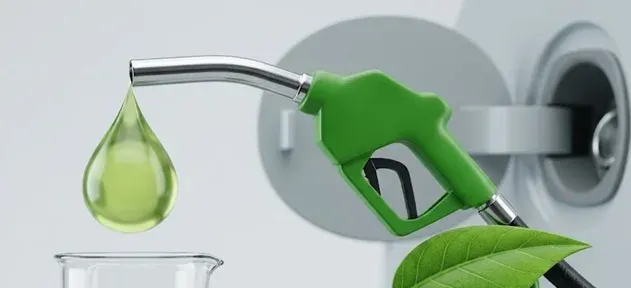
Synopsis
Viral claims that E20 ethanol-blended petrol wrecks engines, attracts insects, and voids insurance have prompted ISMA to go on the offensive — citing government data, ARAI endorsements, and over ₹1.4 lakh crore in crude import savings to argue that one of India's most consequential clean-energy programmes is being undermined by misinformation at a pivotal moment.
Key Takeaways
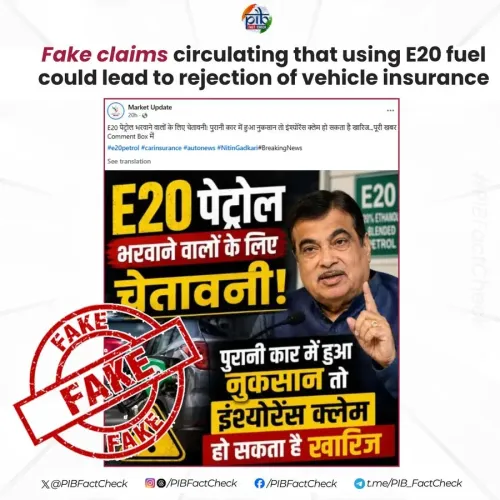
ISMA on 8 July rejected viral social media claims that E20 ethanol-blended petrol causes vehicle damage, attracts insects, or invalidates insurance policies.
The Ministry of Petroleum and Natural Gas has confirmed zero engine failures or vehicle breakdowns linked to E20 since its introduction.
Fuel-grade ethanol is produced via industrial fermentation and distillation from feedstocks including sugarcane juice , molasses , broken rice , and maize — not direct juice mixing.
India's ethanol blending programme has saved more than ₹1.4 lakh crore in foreign exchange by reducing crude oil imports, according to official estimates.
Bodies including SIAM , FIPI , and ARAI have backed E20, calling public apprehensions a product of misinformation.
Brazil uses E27 as its standard petrol blend, placing India's E20 target within established global norms.
The Indian Sugar & Bio-Energy Manufacturers Association (ISMA), the apex body representing sugar and bio-energy producers, on Wednesday, 8 July called for public debate on E20 ethanol-blended petrol to be grounded in scientific evidence and verified data, firmly rejecting a wave of social media claims it described as factually incorrect and misleading.
What Claims ISMA Is Rejecting
The association specifically called out circulating assertions that E20 fuel causes vehicle damage, attracts insects, invalidates motor insurance policies, or involves the direct mixing of sugarcane juice with petrol. ISMA said each of these claims is without factual basis.
Citing clarifications from the Ministry of Petroleum and Natural Gas, the body noted that India's Ethanol Blending Programme has been scientifically validated, rigorously tested, and continuously monitored in consultation with oil marketing companies, automobile manufacturers, and fuel-testing agencies. According to the association, the government has stated that no incidents of engine failure or vehicle breakdown linked to E20 petrol have been reported since the fuel's introduction.
How Ethanol Fuel Is Actually Made
ISMA clarified that fuel-grade ethanol is produced through industrial processes — fermentation and distillation — using feedstocks such as sugarcane juice, molasses, broken rice, and maize. The resulting product complies with stringent fuel-quality standards before being blended with petrol, making it categorically different from the crude mixing that viral claims describe.
On vehicle performance concerns, the industry body pointed to endorsements from the Society of Indian Automobile Manufacturers (SIAM), the Federation of Indian Petroleum Industry (FIPI), oil marketing companies, and the Automotive Research Association of India (ARAI) — all of which have maintained that apprehensions around E20 stem from misinformation rather than technical reality.
What the Government and Industry Say
ISMA Director General Deepak Ballani said: 'India's ethanol programme is one of the country's most successful examples of aligning energy security, farmer welfare and cleaner mobility. It is therefore important that public debate is anchored in facts and not fear.'
The association highlighted that the ethanol blending programme has reduced India's dependence on imported crude oil, strengthened energy security, and created additional income for farmers. According to official estimates, ethanol blending has enabled India to save more than ₹1.4 lakh crore in foreign exchange through reduced crude oil imports.
India in a Global Context
ISMA also noted that ethanol-blended fuel is standard practice in several major economies. The United States, Brazil, and Japan all use ethanol-blended petrol, with Brazil having adopted E27 as its standard blend — a higher ethanol concentration than India's current E20 target.
As misinformation continues to circulate online, the industry body's intervention underscores a broader challenge: ensuring that one of India's flagship clean-energy programmes is not derailed by unverified viral content at a critical stage of its rollout.
Point of View
Importers, and climate goals, yet it is being contested not on policy grounds but on viral fiction. The ₹1.4 lakh crore forex saving figure, if independently audited, is a powerful counter-narrative that the government has been slow to amplify. The real question is whether reactive rebuttals from industry bodies can outrun the velocity of social media — or whether a proactive public communication campaign from the Centre is long overdue.
NationPress
7 Oct 2026
Frequently Asked Questions
What is E20 petrol and is it safe for vehicles?
E20 is petrol blended with 20% fuel-grade ethanol , produced through industrial fermentation and distillation. According to the Ministry of Petroleum and Natural Gas, no incidents of engine failure or vehicle breakdown linked to E20 have been reported since its introduction, and it has been cleared by ARAI and automobile manufacturers.
Does E20 ethanol-blended petrol void vehicle insurance?
No. ISMA has explicitly stated that claims about E20 invalidating insurance policies are factually incorrect and part of a wave of social media misinformation. The fuel complies with all regulatory standards and has been endorsed by official automotive and petroleum bodies.
How much has India saved through ethanol blending?
According to official estimates cited by ISMA, India's ethanol blending programme has saved more than ₹1.4 lakh crore in foreign exchange by reducing crude oil imports. The programme also generates additional income for farmers supplying feedstocks such as sugarcane and maize.
Is ethanol blending used in other countries?
Yes. The United States, Brazil, and Japan all use ethanol-blended petrol as standard fuel. Brazil has adopted E27 — a 27% ethanol blend — as its national standard, a higher concentration than India's current E20 target.
Who oversees the quality of E20 fuel in India?
India's Ethanol Blending Programme is monitored in consultation with oil marketing companies, automobile manufacturers, the Automotive Research Association of India (ARAI), the Society of Indian Automobile Manufacturers (SIAM), and the Federation of Indian Petroleum Industry (FIPI), all of which have validated E20's safety and performance.